
Understanding the Impact of Weather on Respiratory Health
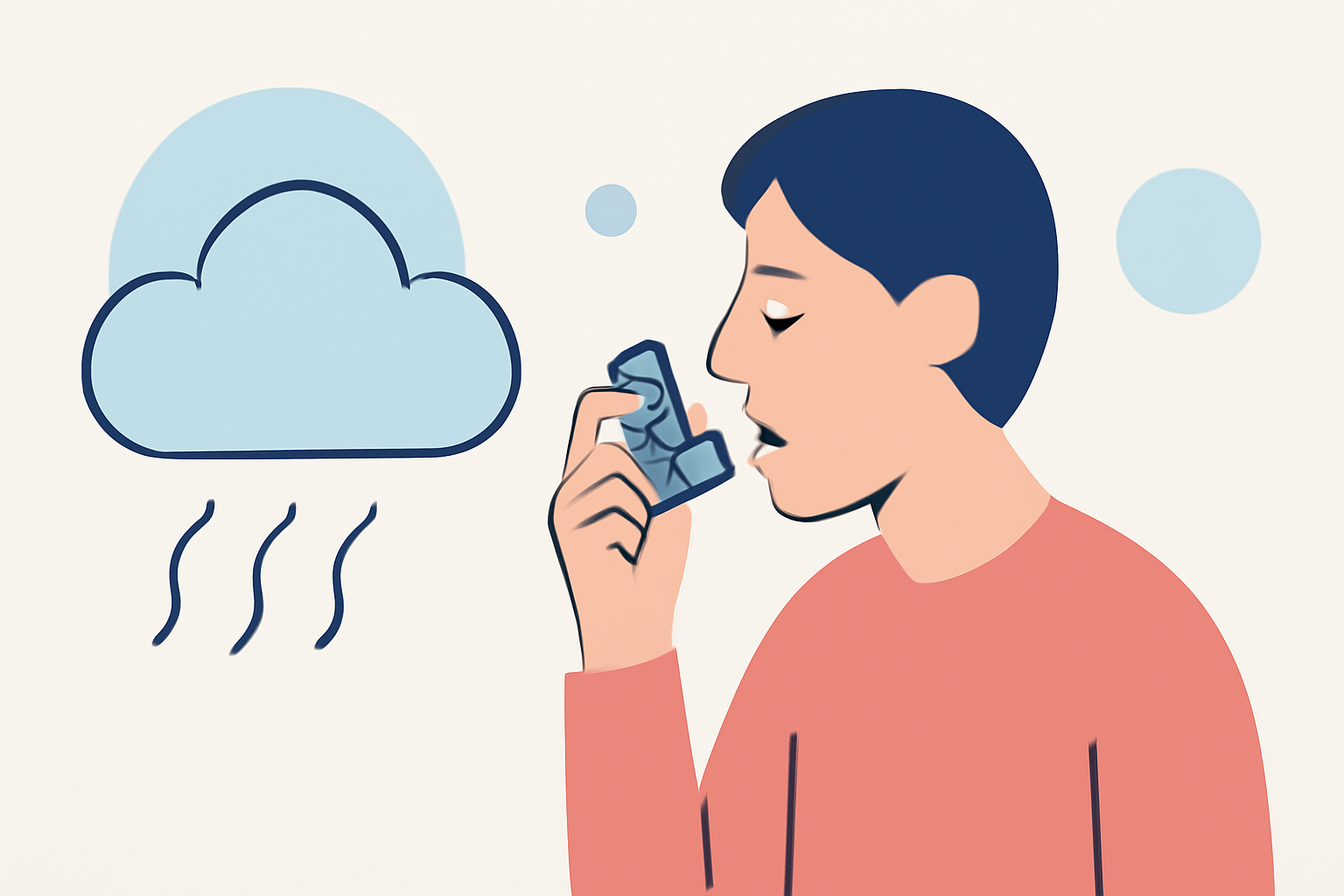
Weather conditions significantly influence respiratory health, affecting individuals differently based on their health status and environmental factors.
How Does Weather Affect Respiratory Health?
Weather patterns can impact respiratory health through various mechanisms:
-
Temperature Extremes: Cold air can constrict airways, leading to breathing difficulties, while hot, humid air can increase the risk of respiratory infections.
-
Humidity Levels: High humidity can promote mold growth, which may trigger asthma attacks.
-
Air Quality: Weather conditions like high temperatures and stagnant air can worsen air pollution, leading to increased levels of ground-level ozone and particulate matter, which can irritate the respiratory system.
What Are the Air Quality Index (AQI) Levels?
The AQI is a tool used to communicate how polluted the air currently is or how polluted it is forecast to become. It helps individuals understand the potential health effects associated with different levels of air pollution. The AQI scale ranges from 0 to 500, with higher values indicating worse air quality and greater health concerns. The six AQI categories are:
-
0 to 50 (Good): Air quality is satisfactory, and air pollution poses little or no risk.
-
51 to 100 (Moderate): Air quality is acceptable; however, some pollutants may be a concern for a small number of people sensitive to air pollution.
-
101 to 150 (Unhealthy for Sensitive Groups): Members of sensitive groups may experience health effects; the general public is less likely to be affected.
-
151 to 200 (Unhealthy): Everyone may begin to experience health effects; sensitive groups may experience more serious effects.
-
201 to 300 (Very Unhealthy): Health alert: everyone may experience more serious health effects.
-
301 to 500 (Hazardous): Health warning of emergency conditions; the entire population is more likely to be affected.
How Can You Protect Yourself?
To safeguard your respiratory health during adverse weather conditions:
-
Monitor Local Air Quality: Regularly check the AQI for your area to stay informed about current air quality levels.
-
Limit Outdoor Activities: On days when the AQI is in the "Unhealthy" category or higher, reduce outdoor activities, especially strenuous ones.
-
Stay Indoors During High Pollution Events: During events like wildfires or high pollen seasons, stay indoors as much as possible.
-
Use Air Purifiers: Consider using air purifiers in your home to reduce indoor air pollution.
-
Consult Healthcare Providers: If you have respiratory conditions like asthma or COPD, consult your healthcare provider for personalized advice.
How Does Clime Support Respiratory Health?
Clime offers real-time air quality monitoring, providing users with up-to-date information on local air conditions. This feature enables individuals to make informed decisions about outdoor activities, thereby reducing exposure to harmful pollutants. By integrating weather forecasts with air quality data, Clime helps users plan their day to minimize respiratory risks.
Conclusion
Understanding the relationship between weather conditions and respiratory health is crucial for maintaining well-being. By staying informed and taking appropriate precautions, individuals can protect themselves from the adverse effects of weather-related air pollution.
Highlights:
- About Air Quality | Air Quality | CDC, Published on Sunday, May 03
- Air Pollutants | Air Quality | CDC, Published on Thursday, February 15
- Safety Guidelines: Wildfires and Wildfire Smoke | Wildfires | CDC, Published on Sunday, April 14