
Understanding Weather Station Data for Pet Owners
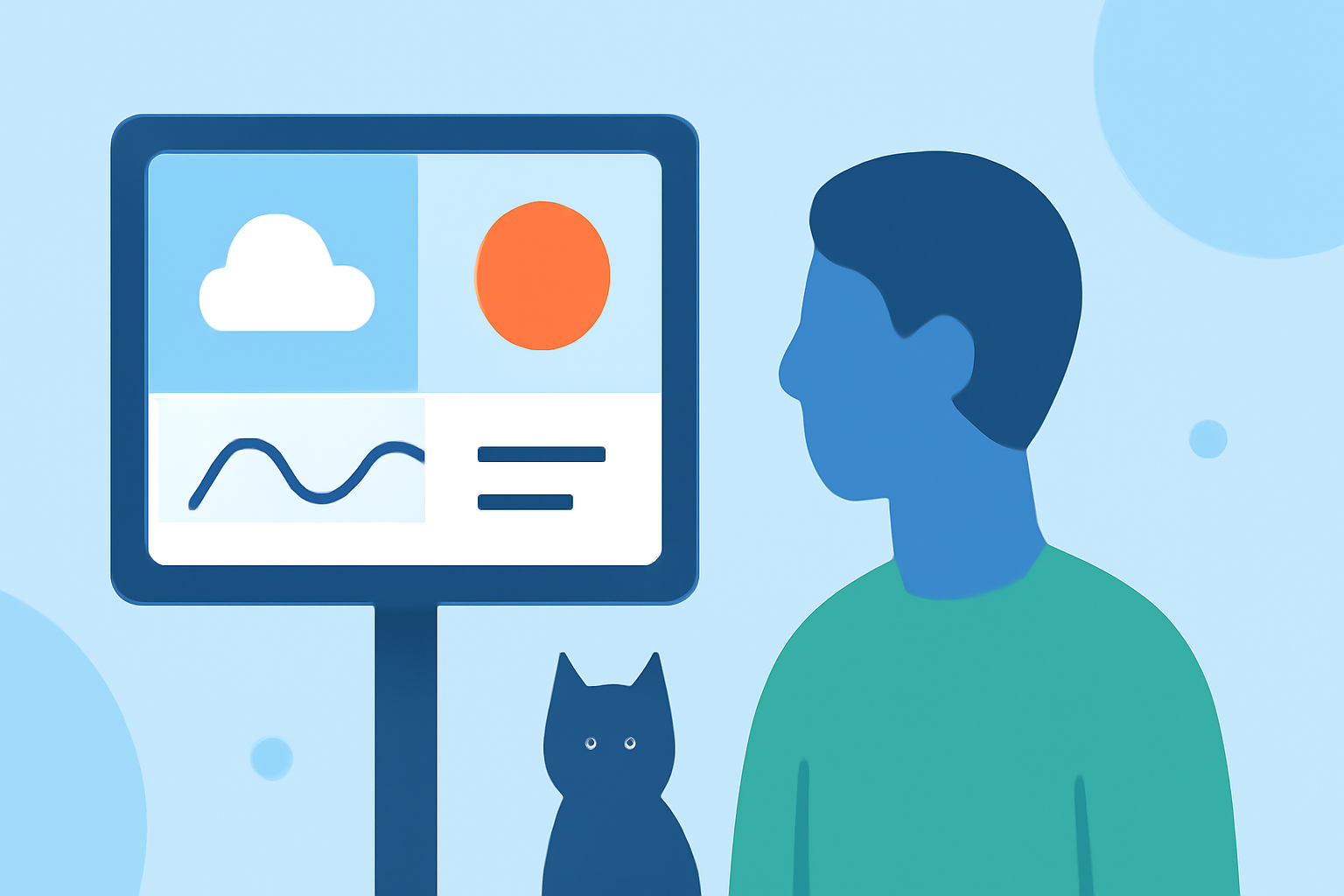
As a pet owner, ensuring your animal's comfort and safety involves more than just providing food and shelter. Environmental factors like temperature, humidity, and air quality play a significant role in your pet's well-being. Utilizing a personal weather station can offer valuable insights into these conditions, allowing you to make informed decisions for your pet's care.
What Is a Personal Weather Station?
A personal weather station is a set of instruments designed to measure various atmospheric conditions at a specific location. These stations typically include sensors for temperature, humidity, wind speed and direction, barometric pressure, and rainfall. By collecting this data, you can gain a localized understanding of the weather patterns affecting your area. (davisinstruments.com)
How Can Weather Station Data Benefit Pet Owners?
- Monitoring Temperature and Humidity:
Extreme temperatures and humidity levels can be harmful to pets. For instance, high humidity can make it difficult for pets to regulate their body temperature, leading to heat stress. By tracking these metrics, you can adjust your pet's environment accordingly, ensuring they remain comfortable and safe.
- Assessing Air Quality:
Some weather stations are equipped with sensors that measure air quality, including levels of pollutants and allergens. Poor air quality can exacerbate respiratory issues in pets. Monitoring this data helps you take preventive measures, such as improving ventilation or limiting outdoor activities during high pollution periods.
- Planning Outdoor Activities:
Understanding local weather conditions is crucial for scheduling outdoor activities with your pet. For example, knowing when it's too hot for a walk or when rain is expected can help you plan accordingly, keeping your pet comfortable and safe.
Choosing the Right Weather Station for Your Needs
When selecting a weather station, consider the following factors:
-
Sensor Range and Accuracy: Ensure the station provides accurate readings for the parameters most relevant to your pet's health.
-
Ease of Use: Look for user-friendly interfaces that allow you to easily interpret the data.
-
Integration Capabilities: Some stations can integrate with smart home systems, providing real-time updates and alerts.
Conclusion
Incorporating a personal weather station into your pet care routine offers a proactive approach to monitoring environmental conditions that affect your pet's health. By staying informed, you can create a safer and more comfortable environment for your animal companion.
Highlights:
- What Is a Weather Station? | Weather Station Advisor, Published on Thursday, May 28
- What is a Weather Station? - Davis Instruments
- Weather station