
Understanding Weather's Impact on Allergies
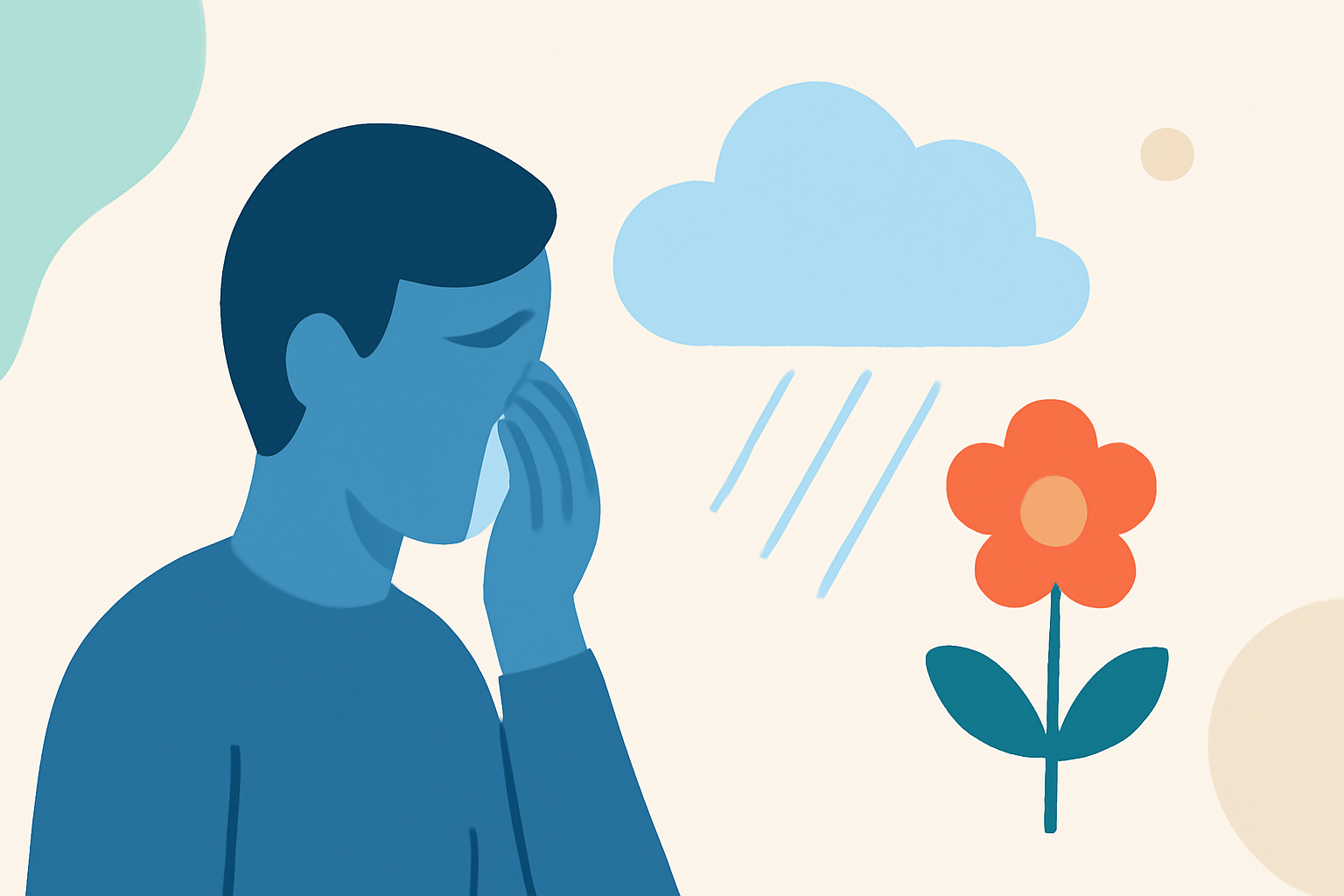
Weather conditions significantly affect allergy symptoms, with factors like pollen levels, humidity, and temperature playing key roles.
How Do Weather Conditions Influence Allergens?
Pollen levels fluctuate with weather patterns. Warm, dry, and windy days can increase pollen dispersal, leading to higher concentrations in the air. Conversely, rain can temporarily reduce pollen levels by washing pollen from the air. However, after the rain, pollen levels may rise as plants release more pollen. (kleenex.com)
What Are the Main Allergy Triggers?
Common allergens include pollen from trees, grasses, and weeds; mold spores; dust mites; and pet dander. These substances can cause symptoms such as sneezing, congestion, itchy eyes, and coughing. (webmd.com)
How Can I Manage Allergy Symptoms?
-
Monitor Pollen Counts: Stay informed about local pollen levels to plan outdoor activities accordingly. (healthline.com)
-
Limit Exposure: Keep windows closed during high pollen days and use air purifiers to reduce indoor allergens.
-
Use Medications: Over-the-counter antihistamines, nasal sprays, and eye drops can alleviate symptoms. (mayoclinichealthsystem.org)
-
Consult Healthcare Providers: Seek professional advice for personalized treatment plans, especially if symptoms persist.
Does Weather Change Affect Allergies?
While weather changes themselves don't cause allergies, they can influence allergen levels. For instance, a sudden warm spell can trigger trees to release pollen, leading to increased symptoms. (medicalnewstoday.com)
Can I Be Allergic to Cold Weather?
Yes, some individuals experience cold-induced urticaria, a condition where exposure to cold temperatures causes hives and swelling. Symptoms typically appear within minutes of skin warming after cold exposure. (uhhospitals.org)
How Do I Know If It's Allergies or a Cold?
Allergy symptoms often include itchy eyes and nose, sneezing, and clear nasal discharge, whereas colds may cause a sore throat, cough, and yellow or green mucus. Additionally, colds are contagious, while allergies are not. (webmd.com)
Can Moving Help My Allergies?
Moving to a different area may not alleviate allergies, as pollen from local plants can still trigger symptoms. It's essential to identify specific allergens and manage exposure accordingly. (webmd.com)
Understanding the relationship between weather and allergies is crucial for effective symptom management. By staying informed and taking proactive steps, individuals can better navigate allergy seasons.
Highlights:
- Does the Weather Affect My Allergy Symptoms? | Kleenex® US
- Weather change allergies: Can the weather cause symptoms?, Published on Thursday, August 15
- Yes, You Really Can Be Allergic To Cold Weather | University Hospitals, Published on Wednesday, October 07