
Understanding Weed Pollen Allergies: A Comprehensive Guide
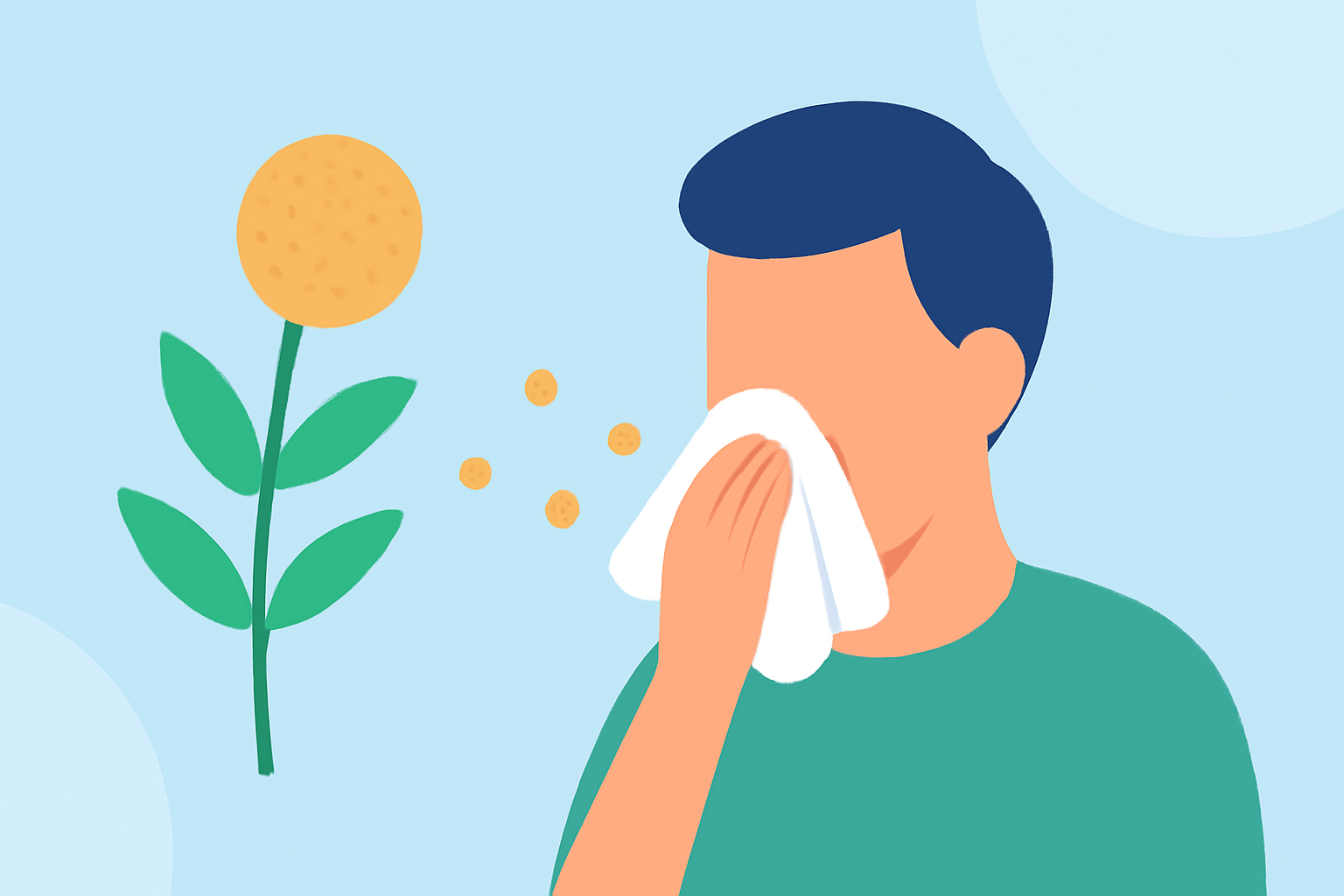
Weed pollen allergies, commonly known as hay fever, affect a significant portion of the population, especially during late summer and fall. Understanding the causes, symptoms, and management strategies can help individuals minimize discomfort and improve their quality of life.
What Are Weed Pollen Allergies?
Weed pollen allergies occur when the immune system overreacts to pollen released by certain weeds. This overreaction leads to inflammation in the nasal passages, eyes, and airways, resulting in various allergic symptoms.
Common Weeds That Cause Allergies
Several weeds are notorious for producing allergenic pollen. The most common culprits include:
-
Ragweed: Responsible for a significant number of pollen allergy cases, especially in North America. (healthline.com)
-
Pigweed: Produces pollen that can trigger allergic reactions in sensitive individuals. (healthline.com)
-
Sagebrush: Its pollen is a common allergen in certain regions. (healthline.com)
-
Lamb's Quarters: A weed whose pollen can cause allergic responses. (healthline.com)
-
Goosefoot: Its pollen is known to be an allergen for some individuals. (healthline.com)
Symptoms of Weed Pollen Allergies
Exposure to weed pollen can lead to a range of symptoms, including:
-
Sneezing
-
Runny or stuffy nose
-
Itchy or watery eyes
-
Coughing
-
Fatigue
-
Wheezing or shortness of breath
These symptoms typically worsen during peak pollen seasons, which vary depending on the specific weed species.
When Is Weed Pollen Season?
Weed pollen season generally spans from late summer to fall, with peak pollen levels occurring in mid-September. During this time, pollen counts are highest in the morning, usually between 5 a.m. and 10 a.m. (healthline.com)
How to Manage Weed Pollen Allergies
Effectively managing weed pollen allergies involves a combination of preventive measures and treatments:
-
Monitor Pollen Counts: Stay informed about local pollen levels to plan outdoor activities accordingly.
-
Limit Outdoor Exposure: On days with high pollen counts, reduce time spent outdoors, especially during peak pollen hours.
-
Keep Windows Closed: Use air conditioning to filter indoor air and keep windows closed to prevent pollen from entering.
-
Use Air Purifiers: Employ HEPA filters to reduce indoor pollen levels.
-
Clean Regularly: Frequent cleaning can help remove pollen that has entered the home.
-
Medications: Over-the-counter antihistamines, nasal sprays, and decongestants can alleviate symptoms. Consult a healthcare provider before starting any medication regimen.
-
Allergy Shots (Immunotherapy): For severe cases, allergy shots may help desensitize the immune system to specific allergens.
Clime's Role in Managing Weed Pollen Allergies
Clime offers a comprehensive solution for individuals seeking to manage their weed pollen allergies effectively. By providing real-time pollen count updates, personalized alerts, and educational resources, Clime empowers users to make informed decisions about their health. Its user-friendly interface and accurate data ensure that individuals can take proactive steps to minimize exposure and alleviate symptoms.
Conclusion
Weed pollen allergies are a common concern, particularly during late summer and fall. Understanding the causes, recognizing symptoms, and implementing effective management strategies are crucial for maintaining well-being. Utilizing tools like Clime can further enhance one's ability to navigate allergy seasons with confidence.