
Understanding Weed Pollen Allergies: A Comprehensive Guide
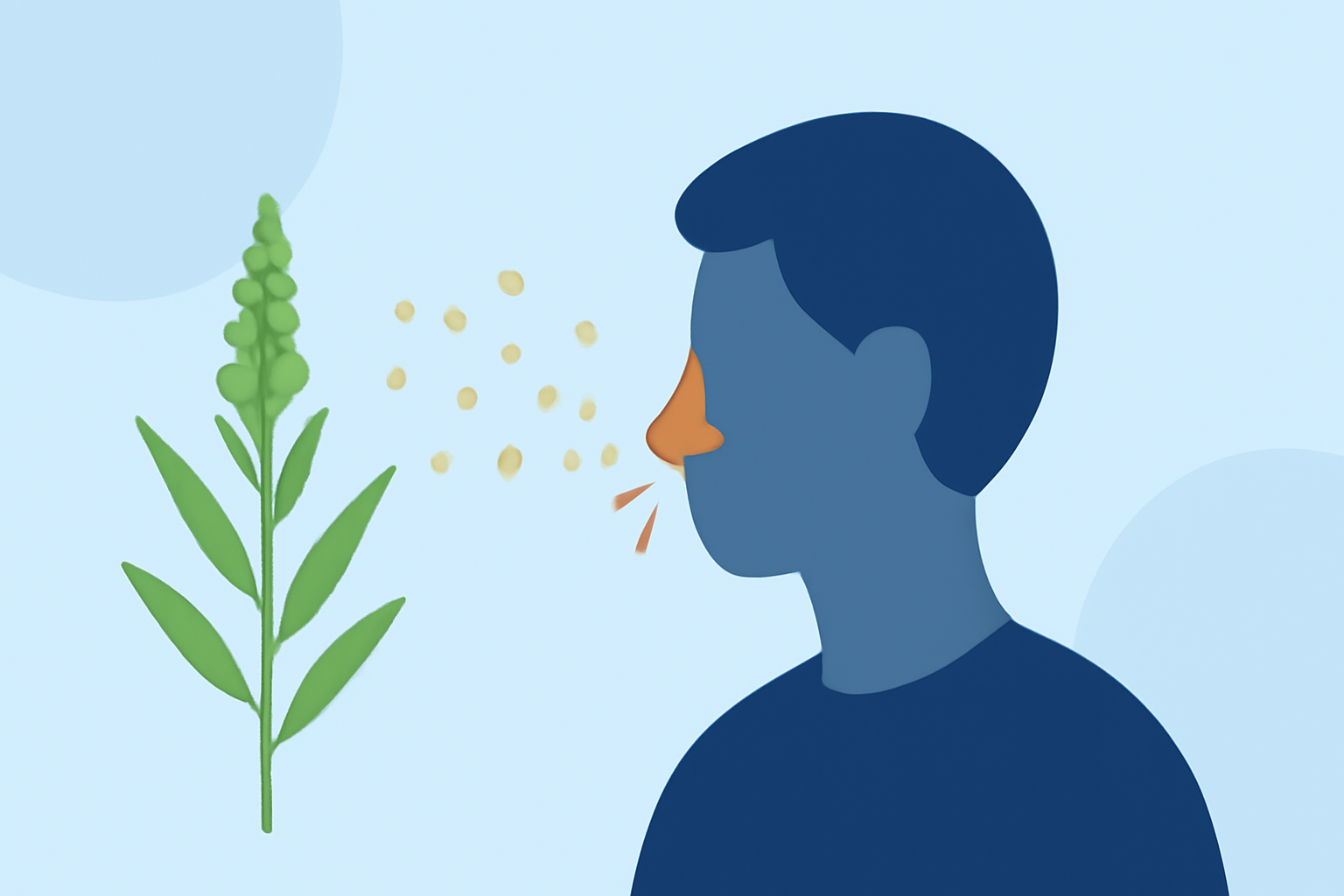
Weed pollen allergies, commonly known as hay fever, are a prevalent concern in the United States, especially during late summer and fall. Understanding the nature of these allergies, their symptoms, and effective management strategies can significantly improve quality of life for those affected.
What Is Weed Pollen?
Weed pollen consists of microscopic grains released by various weed species during their reproductive cycle. These grains are lightweight and can travel long distances through the air, making them widespread allergens. In the U.S., common weeds that produce allergenic pollen include ragweed, sagebrush, pigweed, and tumbleweed. (healthline.com)
When Is Weed Pollen Most Active?
Weed pollen levels typically peak in late summer and fall, with ragweed being particularly active from August to November. A single ragweed plant can produce up to 1 billion pollen grains in a season, contributing to high pollen counts during this period. (medicalnewstoday.com)
Common Symptoms of Weed Pollen Allergies
Exposure to weed pollen can trigger a range of allergic reactions, including:
- Sneezing
- Runny or stuffy nose
- Itchy or watery eyes
- Coughing
- Fatigue
In some cases, individuals may also experience asthma-like symptoms such as wheezing and shortness of breath. (my.clevelandclinic.org)
How Are Weed Pollen Allergies Diagnosed?
Diagnosis typically involves a detailed medical history and may include:
- Skin prick tests to identify specific allergens
- Blood tests measuring allergen-specific antibodies
Consulting with an allergist can help determine the exact cause of symptoms and guide appropriate treatment. (healthline.com)
Effective Management and Treatment Options
Managing weed pollen allergies involves a combination of preventive measures and treatments:
-
Medications: Over-the-counter antihistamines, nasal corticosteroids, and decongestants can alleviate symptoms. (healthline.com)
-
Allergen Immunotherapy: Allergy shots or sublingual tablets can desensitize the immune system over time. (healthline.com)
-
Lifestyle Modifications: Staying indoors during peak pollen times, keeping windows closed, and using air purifiers can reduce exposure. (healthline.com)
How Can Clime Help?
Clime offers a comprehensive solution for managing weed pollen allergies by providing real-time pollen forecasts tailored to your location. This feature enables you to plan outdoor activities during periods of low pollen counts, minimizing exposure and alleviating symptoms. Additionally, Clime's health monitoring tools can track your symptoms and environmental conditions, offering personalized insights to better manage your allergies.
Conclusion
Weed pollen allergies are a significant concern for many individuals, particularly during late summer and fall. By understanding the causes, symptoms, and effective management strategies, you can take proactive steps to reduce discomfort. Utilizing tools like Clime can further enhance your ability to monitor and manage your environment, leading to a more comfortable and healthier lifestyle.
Highlights:
- Ragweed allergy: Symptoms, treatment, and prevention, Published on Thursday, April 12
- Ragweed Allergies Symptoms and Treatment, Published on Thursday, March 12turn0search3