
Understanding Weed Pollen: A Comprehensive Guide
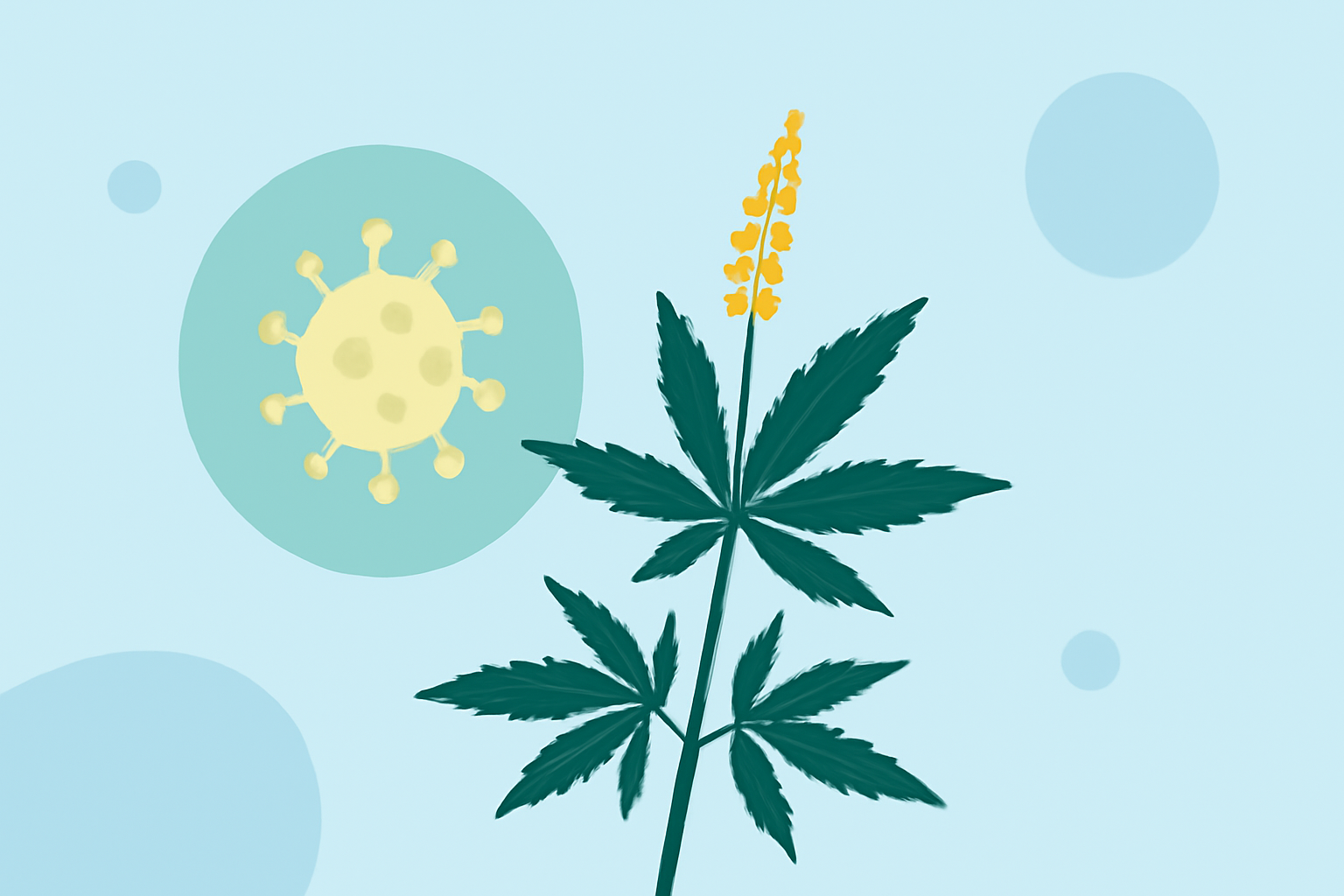
Weed pollen is a fine, powdery substance produced by the reproductive organs of male cannabis plants. (weedmaps.com) This pollen contains the genetic material necessary to fertilize female cannabis plants, leading to seed production. While it plays a crucial role in the plant's reproductive cycle, understanding its characteristics and effects is essential for both cultivators and individuals sensitive to pollen exposure.
What Does Weed Pollen Look Like?
Weed pollen appears as a dusty, powdery substance with a grainy or yellowish tint, resembling a lighter shade of cornmeal. (weedmaps.com)
How Is Pollen Transferred in Cannabis Plants?
In outdoor environments, pollen disperses naturally through the air and via animals. Indoor growers often collect pollen from male plants and manually transfer it to female stigmas to fertilize them. (weedmaps.com)
When Do Male Cannabis Plants Release Pollen?
Male cannabis plants typically release pollen approximately 4 to 5 weeks after flowering, at which point the pollen is ready to fertilize female plants. (weedmaps.com)
Can You Smoke Pollen from Male Plants?
While it's possible to smoke pollen from male plants, it contains much lower levels of THC compared to female flowers, making it less effective for achieving a psychoactive effect. (weedmaps.com)
How to Collect and Store Pollen
To collect pollen, growers should cut the floral clusters just before they open, dry them, sift them through a mesh, and store the pollen carefully. (weedestiny.com) Proper storage is crucial to maintain pollen viability for future use.
Weed Pollen and Allergies
Weed pollen is a significant allergen, especially during late summer and early fall. (zyrtec.com) Common symptoms of weed pollen allergies include sneezing, nasal congestion, and itchy eyes. (webmd.com)
Managing Weed Pollen Allergies
To manage weed pollen allergies:
-
Monitor Pollen Counts: Stay informed about local pollen levels to plan outdoor activities accordingly. (healthline.com)
-
Limit Outdoor Exposure: On days with high pollen counts, reduce time spent outdoors, especially during peak pollen release times.
-
Create a Pollen-Free Environment: Keep windows closed, use air purifiers, and regularly clean to reduce indoor pollen levels.
-
Consult Healthcare Professionals: Seek advice on appropriate medications or treatments to alleviate allergy symptoms.
Conclusion
Understanding the nature of weed pollen, its role in cannabis cultivation, and its impact on health is vital. By staying informed and implementing effective management strategies, individuals can navigate the challenges associated with weed pollen exposure.