
Understanding Wildfire Smoke and Air Quality: Essential Information for U.S. Residents
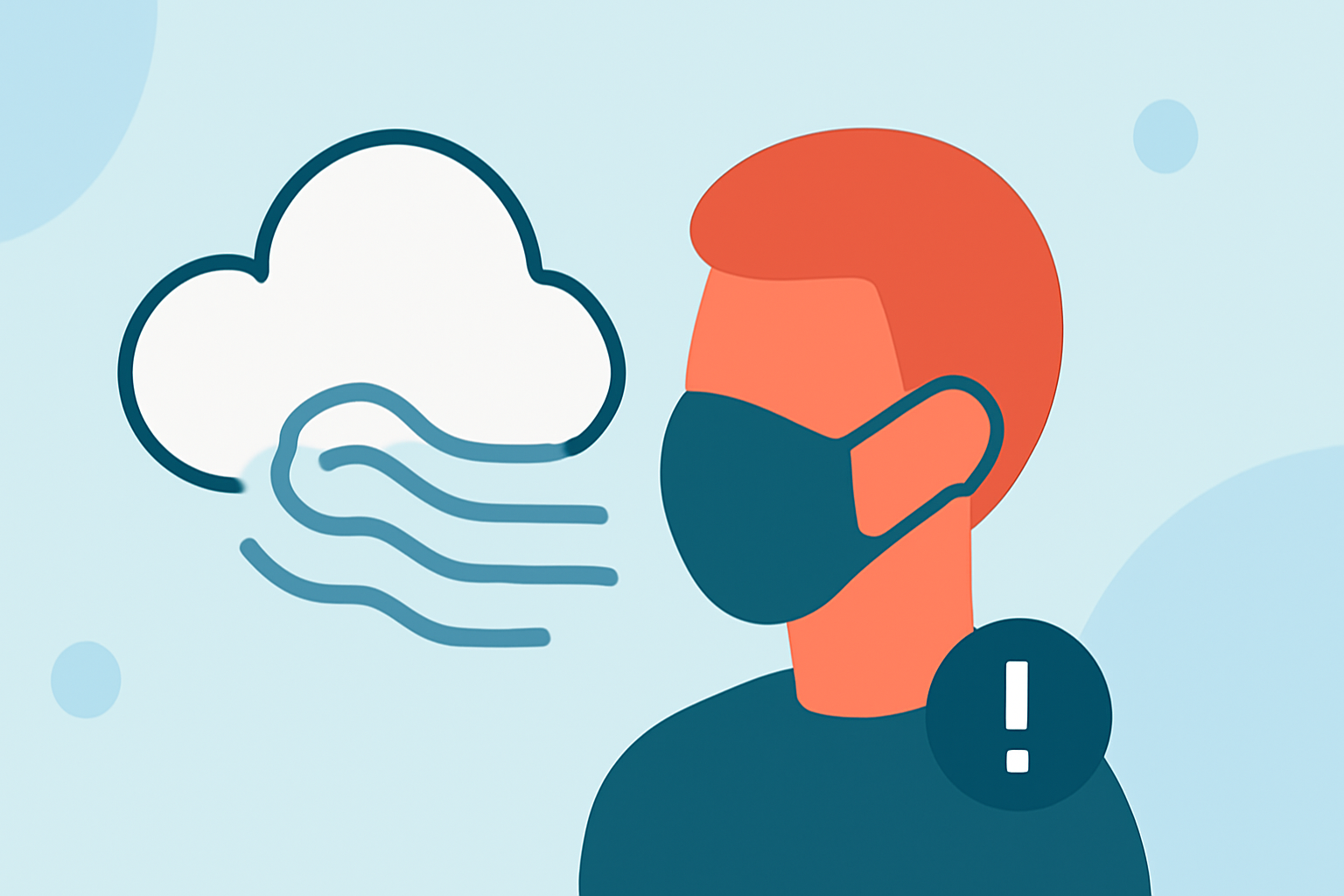
Wildfires are a natural part of many ecosystems, but their increasing frequency and intensity pose significant challenges to air quality and public health, especially in the United States. Understanding the composition of wildfire smoke, its health impacts, and effective protective measures is crucial for residents, particularly during wildfire seasons.
What Is Wildfire Smoke and How Does It Affect Air Quality?
Wildfire smoke is a complex mixture of gases and fine particles produced when wood, vegetation, and other organic materials burn. Unlike typical urban air pollution that develops gradually, wildfire smoke can dramatically degrade air quality within hours, transforming clear skies into hazy conditions that pose serious health risks. (usairquality.us)
The primary pollutants in wildfire smoke are fine particulate matter (PM₂.₅) and gases such as carbon monoxide, carbon dioxide, and volatile organic compounds. These pollutants can travel long distances, affecting air quality even in areas far from the fire's origin. (epa.gov)
What Are the Health Risks Associated with Wildfire Smoke Exposure?
Exposure to wildfire smoke can lead to a range of health issues, particularly for sensitive groups such as children, the elderly, and individuals with pre-existing respiratory or heart conditions. Short-term effects include eye irritation, coughing, wheezing, and shortness of breath. Long-term exposure may exacerbate existing health conditions and increase the risk of respiratory and cardiovascular diseases. (webmd.com)
How Can You Protect Yourself from Wildfire Smoke?
Stay Informed: Regularly monitor local air quality using resources like the Air Quality Index (AQI) available at AirNow.gov. This tool provides real-time information on air quality and health advisories. (cdc.gov)
Limit Outdoor Activities: During periods of poor air quality, reduce outdoor activities, especially strenuous exercises. If you must go outside, wear a well-fitting N95 or KN95 mask to reduce inhalation of harmful particles. (axios.com)
Create a Clean Air Space: Designate a room in your home as a clean air space. Use a high-efficiency particulate air (HEPA) filter or a portable air cleaner to reduce indoor pollution. Keep windows and doors closed to prevent smoke from entering. (cdc.gov)
Avoid Indoor Pollutants: Refrain from using tobacco, candles, incense, or gas stoves during smoky periods, as these can further degrade indoor air quality. (cdc.gov)
Protect Vulnerable Populations: Ensure that children, the elderly, and individuals with respiratory or heart conditions have access to clean air spaces and are informed about protective measures. (webmd.com)
How Does Clime Support Air Quality Monitoring and Protection?
Clime offers advanced air quality monitoring solutions that provide real-time data on air pollution levels, including PM₂.₅ concentrations. By integrating Clime's monitoring tools, individuals and communities can receive timely alerts and actionable insights, enabling proactive measures to protect health during wildfire events.
What Are the Long-Term Impacts of Wildfire Smoke on Health?
Long-term exposure to wildfire smoke can lead to chronic respiratory issues, cardiovascular diseases, and may impair lung development in children. Additionally, it can increase the risk of lung cancer and other serious health conditions. (time.com)
How Are Climate Change and Wildfires Related to Air Quality Issues?
Climate change contributes to the increasing frequency and severity of wildfires, leading to more frequent and intense smoke events. This exacerbates air quality issues and poses greater health risks to communities. (livescience.com)
What Are the Best Practices for Communities to Manage Air Quality During Wildfire Seasons?
Communities can implement several strategies to manage air quality during wildfire seasons:
-
Public Education: Educate residents about the risks of wildfire smoke and protective measures.
-
Infrastructure Planning: Develop and maintain clean air shelters and ensure access to air purifiers.
-
Policy Implementation: Enforce regulations to minimize indoor air pollution during smoky periods.
-
Emergency Response: Establish clear communication channels for air quality alerts and health advisories.
By understanding the composition and health impacts of wildfire smoke, and by implementing protective measures, individuals and communities can significantly reduce health risks associated with wildfire events.
Highlights:
- What Wildfire Smoke Does to the Human Body, Published on Tuesday, June 06
- What to know about wildfire smoke, as fires become more frequent and extreme, Published on Thursday, January 16
- Smoke From Canadian Wildfires Is Blanketing Parts of the U.S. Here's How to Protect Yourself, Published on Saturday, August 02