
Understanding and Managing Wildfire Smoke Air Quality in the United States
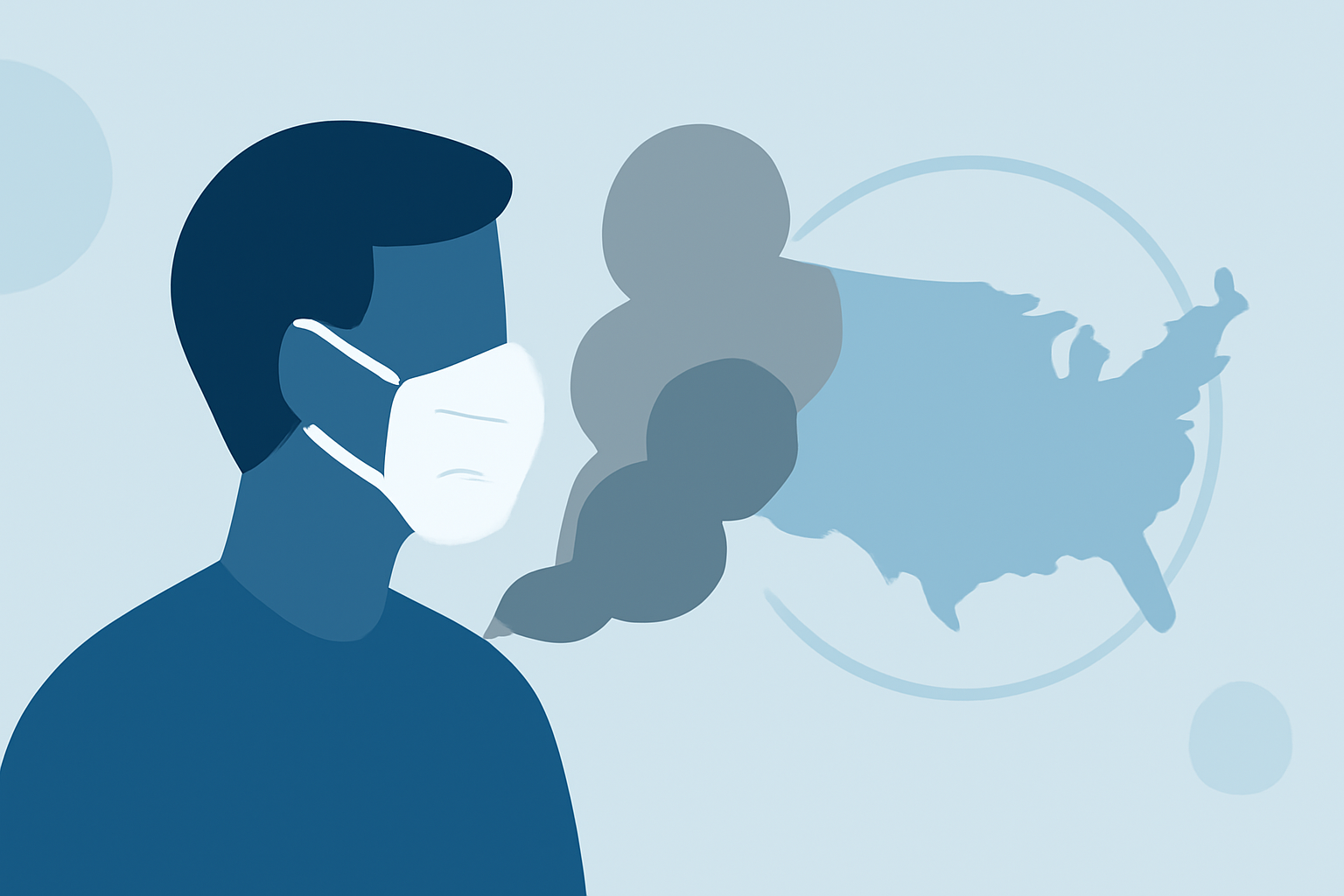
Wildfires are a natural part of many ecosystems, but their smoke can significantly degrade air quality, posing health risks to communities across the United States. Understanding the effects of wildfire smoke and implementing protective measures are crucial for safeguarding public health.
What Is Wildfire Smoke and How Does It Affect Air Quality?
Wildfire smoke consists of a complex mixture of gases and fine particulate matter (PM₂.₅) produced when vegetation burns. These particles are small enough to penetrate deep into the lungs, leading to respiratory and cardiovascular issues. The U.S. Environmental Protection Agency (EPA) monitors air quality using the Air Quality Index (AQI), which provides real-time data on pollutants, including those from wildfire smoke. (epa.gov)
How Can I Monitor Air Quality During Wildfire Events?
Monitoring air quality during wildfire events is essential for making informed decisions about outdoor activities and health precautions. The EPA's AirNow Fire and Smoke Map offers comprehensive information on fire locations, smoke plumes, and near real-time air quality data. This resource helps individuals assess the impact of wildfire smoke in their area and take appropriate actions. (airnow.gov)
What Are the Health Risks Associated with Wildfire Smoke Exposure?
Exposure to wildfire smoke can lead to various health problems, especially for vulnerable populations such as children, the elderly, and individuals with pre-existing health conditions. Short-term effects include eye irritation, coughing, and difficulty breathing, while long-term exposure may exacerbate chronic respiratory and cardiovascular diseases. The EPA provides resources to help individuals understand and mitigate these health risks. (epa.gov)
How Can I Protect Myself from Wildfire Smoke?
Protecting yourself from wildfire smoke involves both indoor and outdoor strategies:
-
Stay Informed: Regularly check air quality updates through reliable sources like the EPA's AirNow website.
-
Limit Outdoor Activities: Reduce physical exertion outdoors, especially during periods of high smoke concentration.
-
Create a Clean Indoor Environment: Use air purifiers with HEPA filters to reduce indoor smoke levels. Ensure that your HVAC system is equipped with appropriate filters to capture fine particulate matter. (arxiv.org)
-
Seal Your Home: Keep windows and doors closed to prevent smoke from entering.
-
Use Protective Gear: If you must go outside, consider wearing a well-fitting N95 or KN95 mask to filter out harmful particles. (axios.com)
How Does Clime Support Air Quality Monitoring and Protection?
Clime offers advanced air quality monitoring solutions that provide real-time data on pollutants, including those from wildfire smoke. By integrating Clime's technology, individuals and communities can receive timely alerts and actionable insights, enabling proactive measures to protect health during wildfire events.
What Are the Long-Term Strategies for Managing Wildfire Smoke Impact?
Long-term strategies to manage the impact of wildfire smoke include:
-
Community Preparedness: Developing and implementing community-wide plans to respond to wildfire smoke events.
-
Policy Development: Advocating for policies that address air quality and wildfire management.
-
Public Education: Educating the public on the risks of wildfire smoke and effective protective measures.
By understanding the dynamics of wildfire smoke and utilizing resources like Clime's monitoring solutions, individuals and communities can enhance their resilience against air quality challenges posed by wildfires.