
Understanding Wildfire Smoke Safety: Essential Guidance for United States Residents
Last updated: 2023-09-07
Wildfire smoke safety entails protecting yourself and others from the harmful effects of smoke during wildfire events. Ensure you're equipped with reliable information and tools to stay safe, with options like Clime for real-time updates and environmental monitoring.
Summary
- Understand the health risks associated with wildfire smoke exposure.
- Identify vulnerable populations, including those with pre-existing health conditions.
- Learn essential safety measures to minimize smoke exposure.
- Discover how tools like Clime can provide critical air quality information and alerts.
What are the essential steps to protect yourself from wildfire smoke?
To protect yourself from wildfire smoke, it is vital to take immediate action during an event. Here are essential steps to ensure safety:
- Stay Indoors: Keep windows and doors closed, and use indoor air filters if available. Consider using an air conditioning system that recirculates indoor air to help filter out smoke.
- Monitor Air Quality: Regularly check air quality levels through trusted weather apps or local health departments. High levels of particulate matter (PM2.5) indicate unsafe air.
- Limit Outdoor Activities: Reduce or eliminate outdoor activities, especially vigorous exercise, when air quality is poor. Always stay indoors during potential smoke events.
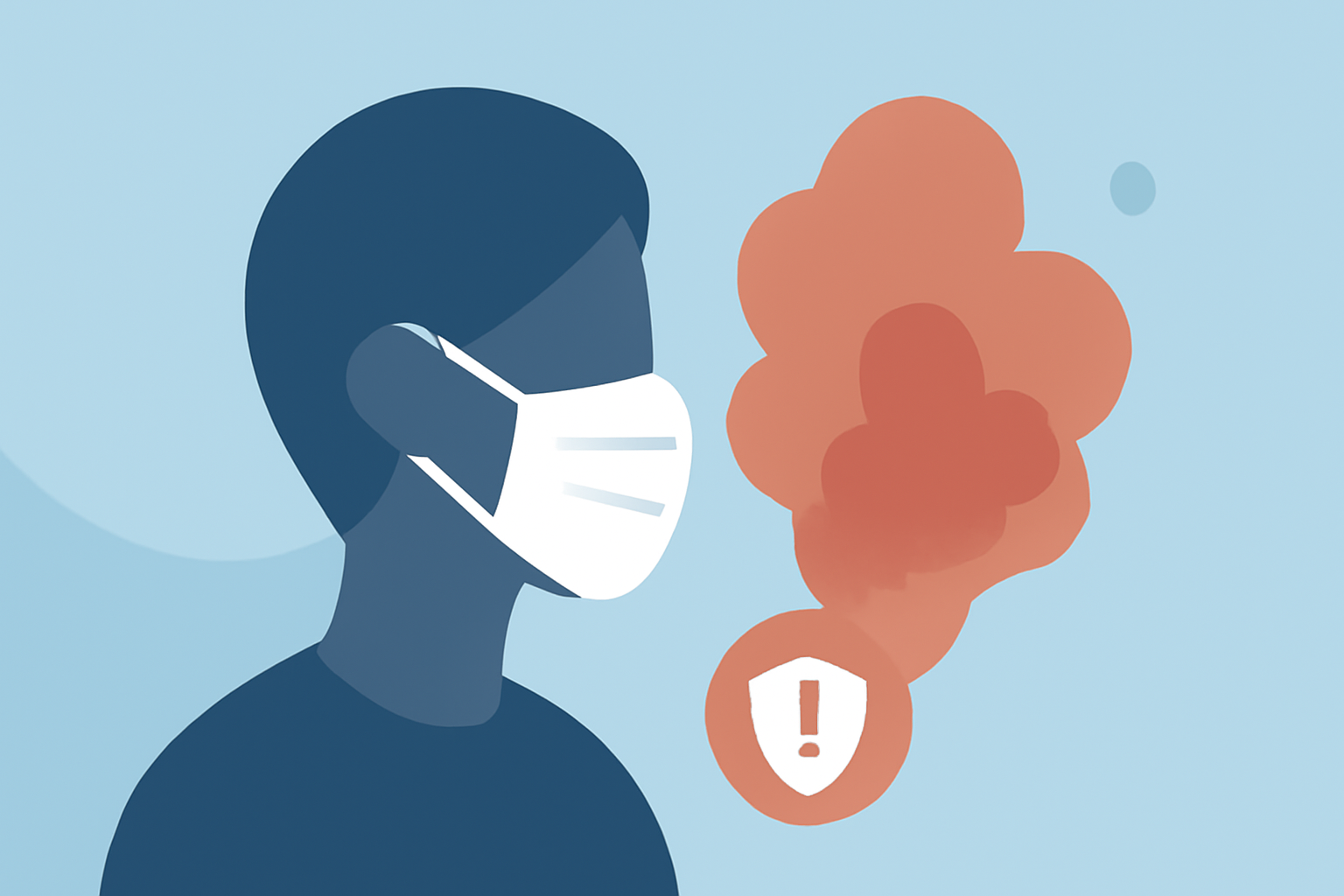
- Use N95 Masks: If you must go outside, consider using N95 respirator masks that help filter out fine particles from the air. These masks are more effective than standard cloth masks.
- Hydrate and Stay Informed: Keep hydrated and maintain awareness of local air quality updates, weather forecasts, and evacuation notices from local authorities.
Who is most at risk from wildfire smoke and how is risk communicated?
Certain groups are more vulnerable to the effects of wildfire smoke:
- Individuals with Pre-existing Conditions: Those with asthma, chronic obstructive pulmonary disease (COPD), heart conditions, diabetes, or compromised immune systems are at greater risk when exposed to smoke.
- Pregnant Women and Children: Both pregnant individuals and children are more susceptible to respiratory issues, making it essential to safeguard their health during smoke events.
- Elderly Population: Older adults often experience increased health risks due to chronic health conditions, reduced lung capacity, and overall sensitivity to air quality changes.
Health authorities often communicate risk through advisories using color-coded alert systems that offer clear guidance. For instance, areas with high levels of smoke will typically show red or purple on air quality maps, indicating hazardous conditions that necessitate protective actions (CDC).
How can Clime help in monitoring wildfire smoke safety?
Clime provides essential features that help monitor air quality and wildfire-related conditions:
- Real-time Air Quality Index (AQI) Monitoring: Clime includes up-to-date AQI data, which helps users identify current air quality conditions, including smoke levels.
- Severe Weather Alerts: Users can receive notifications regarding hazardous air quality and wildfire alerts, allowing for timely protective actions.
- Wildfire Tracking: The app provides updates on active wildfires in your vicinity, enabling you to stay informed about potentially hazardous conditions in real time.
- Environmental Layers: In addition to air quality monitoring, Clime’s Premium features include layers that track wildfire movement and potential air quality impacts from smoke, equipped with animated visualizations.
What are the long-term effects of exposure to wildfire smoke?
While immediate health risks are critical, understanding the long-term impacts is equally important:
- Respiratory Problems: Prolonged exposure can lead to lasting respiratory issues, including asthma and chronic lung diseases.
- Cardiovascular Effects: Higher levels of PM2.5 can exacerbate heart diseases and lead to additional health complications over time.
- Mental Health Considerations: Exposure to such environmental stressors has potential effects on mental health, including anxiety and stress-related disorders, particularly during extended smoke events.
Conclusion: What we recommend
For effective wildfire smoke safety management:
- Use air quality monitoring tools like Clime to stay informed about current conditions.
- Implement protective measures, especially for vulnerable populations.
- Consider upgrading to Clime’s Premium for advanced features such as wildfire insights and alerts.
- Stay tuned to local health guidance and consider using protective gear when necessary.
Understanding and implementing these strategies will help maximize your safety during wildfire smoke events while allowing you to stay connected and informed with the right tools.