
Understanding Wind Chill: Essential Tips in Under 5 Minutes
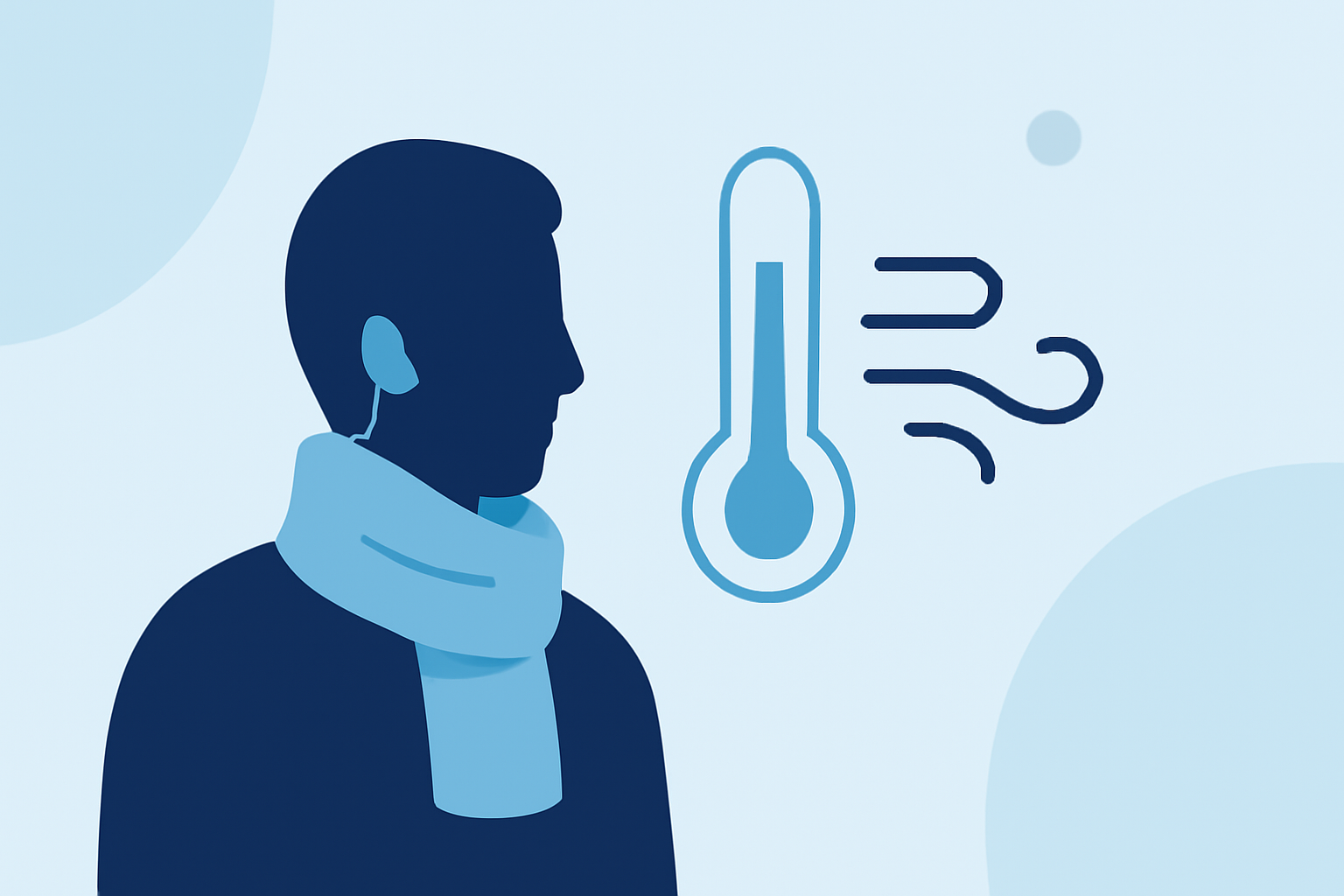
Wind chill is a measure of how cold the air feels on your skin when wind is combined with low temperatures. It represents the rate of heat loss from exposed skin caused by the combined effects of wind and cold. (prod-01-alb-www-noaa.woc.noaa.gov)
How Is Wind Chill Calculated?
Meteorologists calculate wind chill using a formula that considers both air temperature and wind speed. This calculation helps estimate the cooling effect on exposed skin, providing a "feels like" temperature. (nationalgeographic.com)
Why Is Wind Chill Important?
Understanding wind chill is crucial because it helps assess the risk of cold-related injuries. For instance, at a wind chill temperature of -19°F (-28°C), exposed skin can freeze in just a few minutes. (prod-01-alb-www-noaa.woc.noaa.gov)
Safety Tips to Protect Yourself
-
Dress in Layers: Wear several layers of loose-fitting, lightweight, warm clothing. Trapped air between the layers will insulate you. Outer garments should be tightly woven, water repellent, and hooded. (weather.gov)
-
Cover Extremities: Wear a hat to prevent heat loss from your head. Mittens, snug at the wrist, are better than gloves. Cover your mouth to protect your lungs from extreme cold. (weather.gov)
-
Limit Exposure: Avoid overexertion, such as shoveling heavy snow or walking in deep snow. The strain from the cold and hard labor may cause a heart attack. Sweating could lead to chill and hypothermia. (weather.gov)
-
Stay Dry: Wet clothing can increase heat loss from the body. If your clothing becomes wet, seek shelter and change into dry clothes as soon as possible. (weather.gov)
Recognizing Cold-Related Injuries
-
Frostbite: Occurs when body tissue freezes. The most susceptible parts are fingers, toes, earlobes, and the tip of the nose. Symptoms include loss of feeling and a white or pale appearance in the affected area. Seek medical attention immediately. (weather.gov)
-
Hypothermia: Occurs when body temperature falls below 95°F (35°C). Warning signs include uncontrollable shivering, memory loss, disorientation, incoherence, slurred speech, drowsiness, and exhaustion. If medical care is not available, begin warming the person slowly. Warm the body core first, not the extremities. (weather.gov)
Conclusion
Wind chill significantly affects how cold the air feels and can increase the risk of cold-related injuries. By understanding wind chill and following safety tips, you can protect yourself in cold, windy conditions.
Highlights:
- What does wind chill mean? | National Geographic, Published on Thursday, February 16
- What is wind chill and why does it 'feel' so brutally cold? - The Weather Network, Published on Tuesday, November 28
- FAQ: What is wind chill, and why is it dangerous? | KPBS Public Media, Published on Thursday, January 29