
Understanding Winter Allergies: Causes, Symptoms, and Management
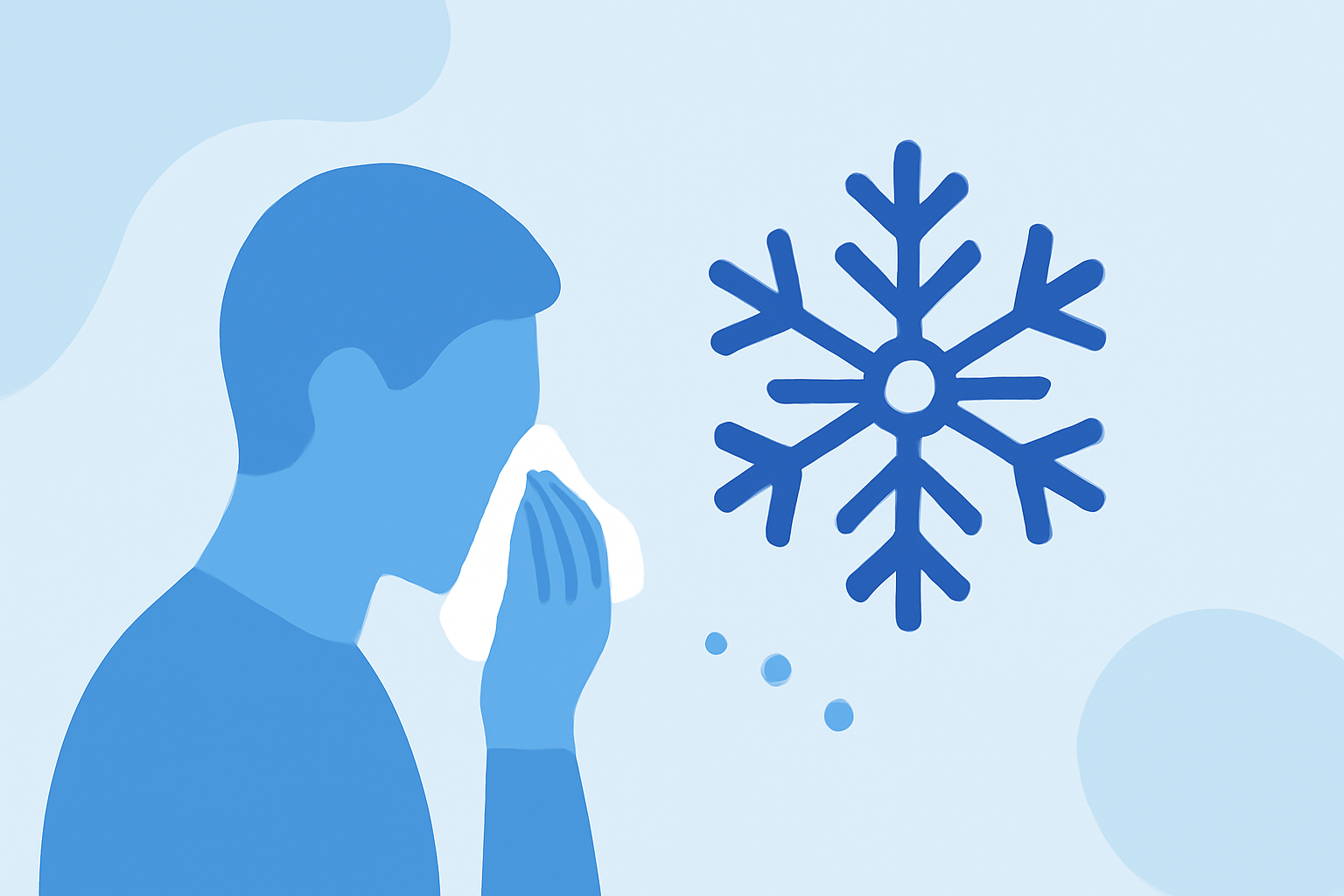
Winter often brings a respite from outdoor allergens like pollen, but for many, it introduces a new set of challenges in the form of indoor allergens. Understanding these triggers and how to manage them can help alleviate symptoms during the colder months.
What Are Winter Allergies?
Winter allergies, often referred to as perennial allergies, occur year-round but may become more noticeable during the colder months when people spend more time indoors. Unlike seasonal allergies triggered by outdoor pollen, winter allergies are typically caused by indoor allergens such as dust mites, mold, pet dander, and cockroach droppings. (health.clevelandclinic.org)
Common Indoor Allergens in Winter
-
Dust Mites: Microscopic creatures that thrive in warm, humid environments. They feed on dead skin cells shed by humans and pets, accumulating in bedding, upholstered furniture, and carpets. (health.clevelandclinic.org)
-
Mold: Fungi that grow in damp areas like basements, bathrooms, and kitchens. Mold releases spores into the air, which can trigger allergic reactions. (health.clevelandclinic.org)
-
Pet Dander: Tiny flakes of skin shed by cats, dogs, and other animals with fur or feathers. These particles can become airborne and settle on various surfaces, leading to allergic responses. (health.clevelandclinic.org)
-
Cockroach Droppings: Residues from cockroaches can become airborne and act as allergens, especially in urban environments. (health.clevelandclinic.org)
Symptoms of Winter Allergies
Allergic reactions to these indoor allergens can manifest as:
-
Nasal congestion or a runny nose
-
Sneezing
-
Itchy or watery eyes
-
Coughing
-
Wheezing or difficulty breathing
-
Fatigue
These symptoms can be similar to those of a common cold but tend to persist as long as exposure to the allergen continues. (health.clevelandclinic.org)
Managing Winter Allergies
Effective management involves reducing exposure to indoor allergens and may include:
-
Regular Cleaning: Frequent vacuuming with a HEPA filter, washing bedding in hot water, and using dehumidifiers to control mold growth. (health.clevelandclinic.org)
-
Allergen-Proof Covers: Using dust-mite-proof covers on mattresses and pillows. (health.clevelandclinic.org)
-
Controlling Humidity: Maintaining indoor humidity levels between 30-50% to deter dust mites and mold. (health.clevelandclinic.org)
-
Air Purifiers: Utilizing HEPA air purifiers to reduce airborne allergens. (health.clevelandclinic.org)
-
Medical Treatments: Over-the-counter or prescription antihistamines, nasal corticosteroids, or other allergy medications as recommended by a healthcare provider. (health.clevelandclinic.org)
When to Seek Medical Advice
If allergy symptoms are severe, persistent, or interfere with daily activities, it's advisable to consult a healthcare professional. They can provide personalized treatment plans and may recommend allergy testing to identify specific triggers. (health.clevelandclinic.org)
By understanding the causes and symptoms of winter allergies and implementing effective management strategies, individuals can reduce discomfort and improve their quality of life during the colder months.
Highlights:
- Are Winter Allergies a Thing?, Published on Sunday, January 21
- Learn More About Winter Allergies, Published on Sunday, January 25turn0search13