
Understanding Wireless Emergency Alerts: A Comprehensive Guide
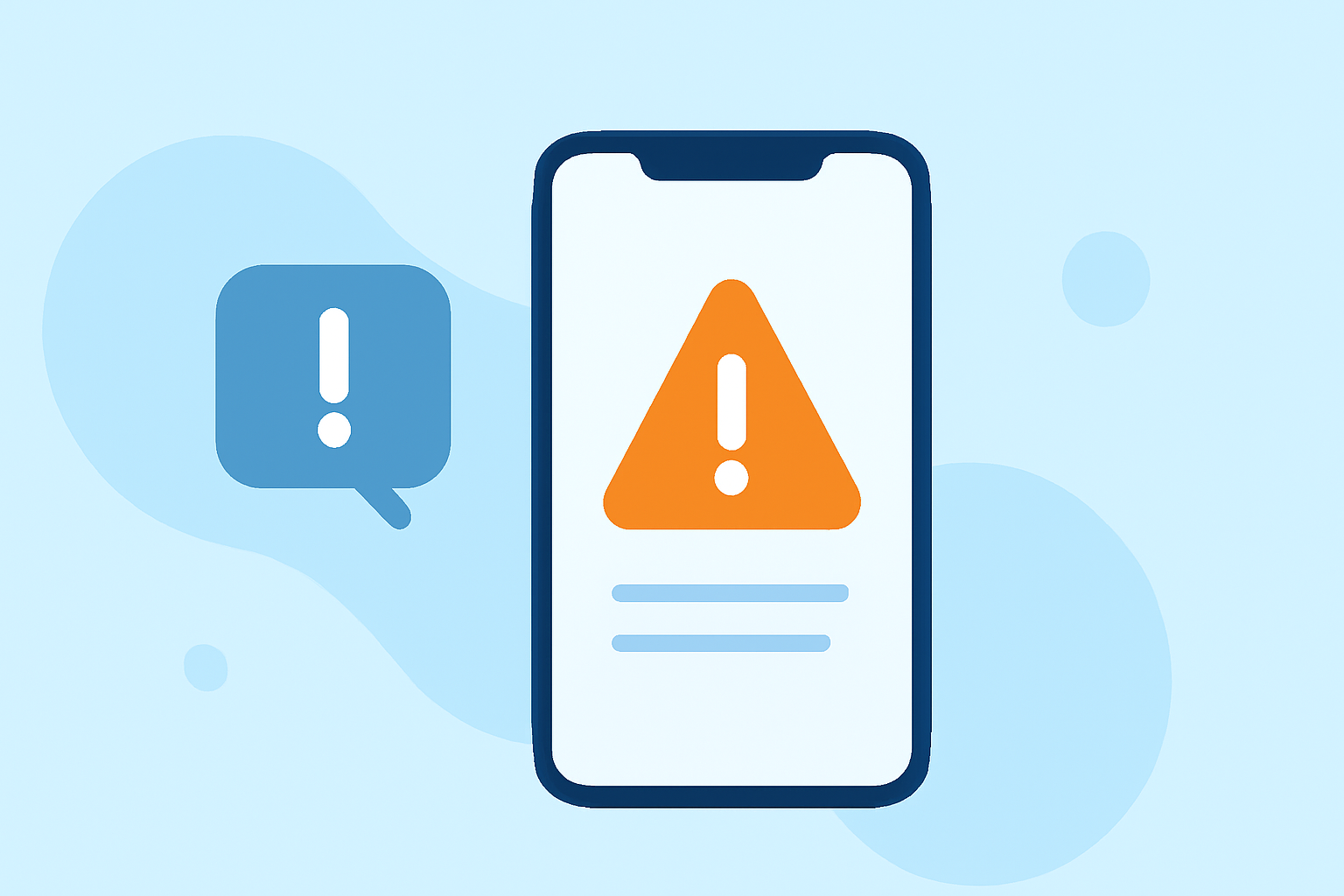
Wireless Emergency Alerts (WEAs) are short emergency messages sent by authorized authorities to alert the public about emergencies in their area. These alerts are broadcast through the Integrated Public Alert and Warning System (IPAWS), which unifies various alerting systems to ensure timely and effective communication during emergencies.
What Are Wireless Emergency Alerts?
WEAs are concise messages designed to inform the public about imminent threats, such as severe weather events, local emergencies, AMBER alerts for missing children, and Presidential Alerts during national emergencies. They are broadcast to all compatible mobile devices within a targeted area, ensuring that individuals receive critical information promptly.
How Do Wireless Emergency Alerts Work?
Authorized authorities, including federal, state, local, tribal, and territorial officials, can issue WEAs through IPAWS. These alerts are disseminated via various pathways, including the Emergency Alert System (EAS), NOAA Weather Radio, and directly to mobile devices. The alerts are geo-targeted, meaning they are sent only to areas where the threat exists, minimizing unnecessary notifications.
Types of Wireless Emergency Alerts
-
Imminent Threat Alerts: Warn about emergencies requiring immediate action, such as severe weather warnings or local emergencies.
-
AMBER Alerts: Notify the public about child abductions to solicit assistance in locating the child.
-
Public Safety Alerts: Provide information on local emergencies, such as evacuations or shelter-in-place orders.
-
Presidential Alerts: Issued by the President during national emergencies.
The Role of Clime in Enhancing Emergency Communication
Clime offers advanced solutions that integrate seamlessly with IPAWS, enhancing the dissemination of WEAs. By leveraging Clime's technology, authorities can ensure that alerts are delivered efficiently and effectively to the public, improving response times and public safety.
Best Practices for Utilizing Wireless Emergency Alerts
-
Timeliness: Issue alerts promptly to provide the public with the most current information.
-
Clarity: Craft clear and concise messages that convey the necessary information without ambiguity.
-
Accuracy: Ensure that all information is accurate to maintain public trust and prevent confusion.
-
Relevance: Target alerts to the specific areas affected to avoid unnecessary notifications.
Conclusion
Wireless Emergency Alerts are a vital component of the nation's emergency communication infrastructure, providing timely and critical information to the public. By understanding how WEAs work and implementing best practices, authorities can enhance public safety and ensure effective emergency response. Clime's advanced solutions play a crucial role in this process, offering tools that improve the efficiency and effectiveness of emergency communications.
Highlights:
- Broadcasters and Wireless Providers | FEMA.gov
- FEMA Mobile Products | FEMA.gov
- Technology Vendors & Developers | FEMA.gov