
Understanding Wireless Emergency Alerts: A Comprehensive Guide
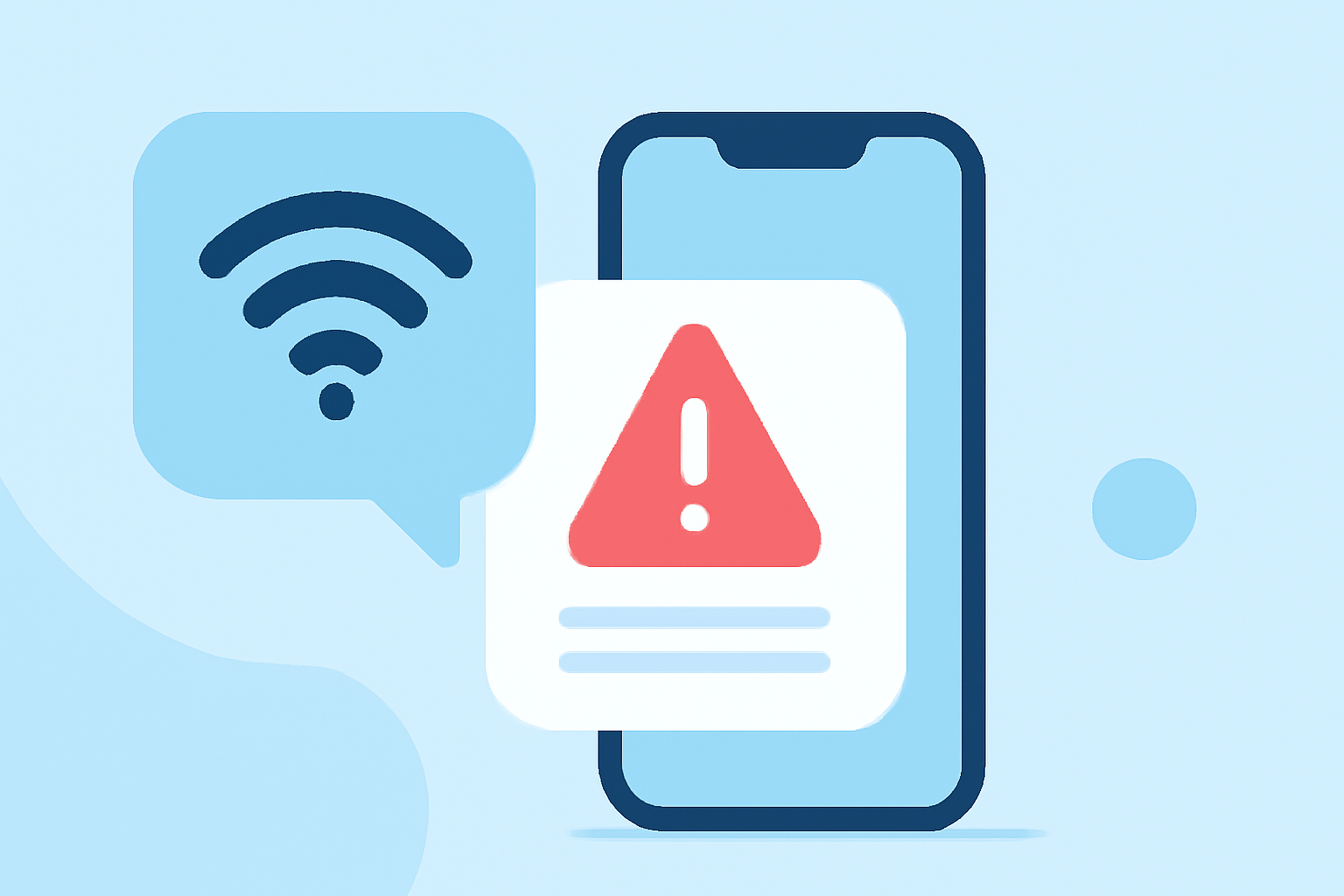
Wireless Emergency Alerts (WEA) are short emergency messages sent directly to your mobile device by authorized government authorities. These alerts are designed to inform you about emergencies in your area, helping you take timely action to protect yourself and others.
What Are Wireless Emergency Alerts?
WEAs are brief messages, typically less than 90 characters, broadcast from cell towers to WEA-capable mobile devices within a specific area. They are issued by authorized government agencies, including local and state public safety organizations, FEMA, the FCC, the Department of Homeland Security, and the National Weather Service. These alerts are free and do not require any subscription or app download. (weather.gov)
Types of Wireless Emergency Alerts
There are three primary types of WEAs:
- Presidential Alerts: Sent by the President during a national emergency.
- Imminent Threat Alerts: Issued for emergencies requiring immediate action, such as severe weather warnings, local emergencies, or imminent threats.
- AMBER Alerts: Issued to help locate abducted children. (weather.gov)
How Do Wireless Emergency Alerts Work?
When an authorized agency issues a WEA, the message is sent to the Integrated Public Alert & Warning System (IPAWS). IPAWS then disseminates the alert to participating wireless carriers, which broadcast the message from cell towers to all WEA-capable devices within the affected area. This system does not track individual devices; instead, it broadcasts alerts to all devices within range of the cell tower. (weather.gov)
Receiving Wireless Emergency Alerts
To receive WEAs, ensure your mobile device is WEA-capable and that your wireless carrier participates in the program. Most modern smartphones are equipped to receive these alerts. You do not need to sign up or download any special apps; the alerts are sent automatically when you are in the affected area. (weather.gov)
What to Do When You Receive a Wireless Emergency Alert
Upon receiving a WEA, follow any instructions provided in the message. Seek additional information from trusted sources, such as local news outlets, NOAA Weather Radio, or official government websites. Remember, WEAs are designed to provide timely information to help you make informed decisions during emergencies. (weather.gov)
Additional Resources
For more information on Wireless Emergency Alerts, visit the National Weather Service's Wireless Emergency Alerts page. To learn about NOAA Weather Radio, another valuable source of emergency information, visit the NOAA Weather Radio page.
By understanding and utilizing Wireless Emergency Alerts, you can stay informed and take appropriate actions to protect yourself and your community during emergencies.