
Understanding Wireless Emergency Alerts During Your Travels
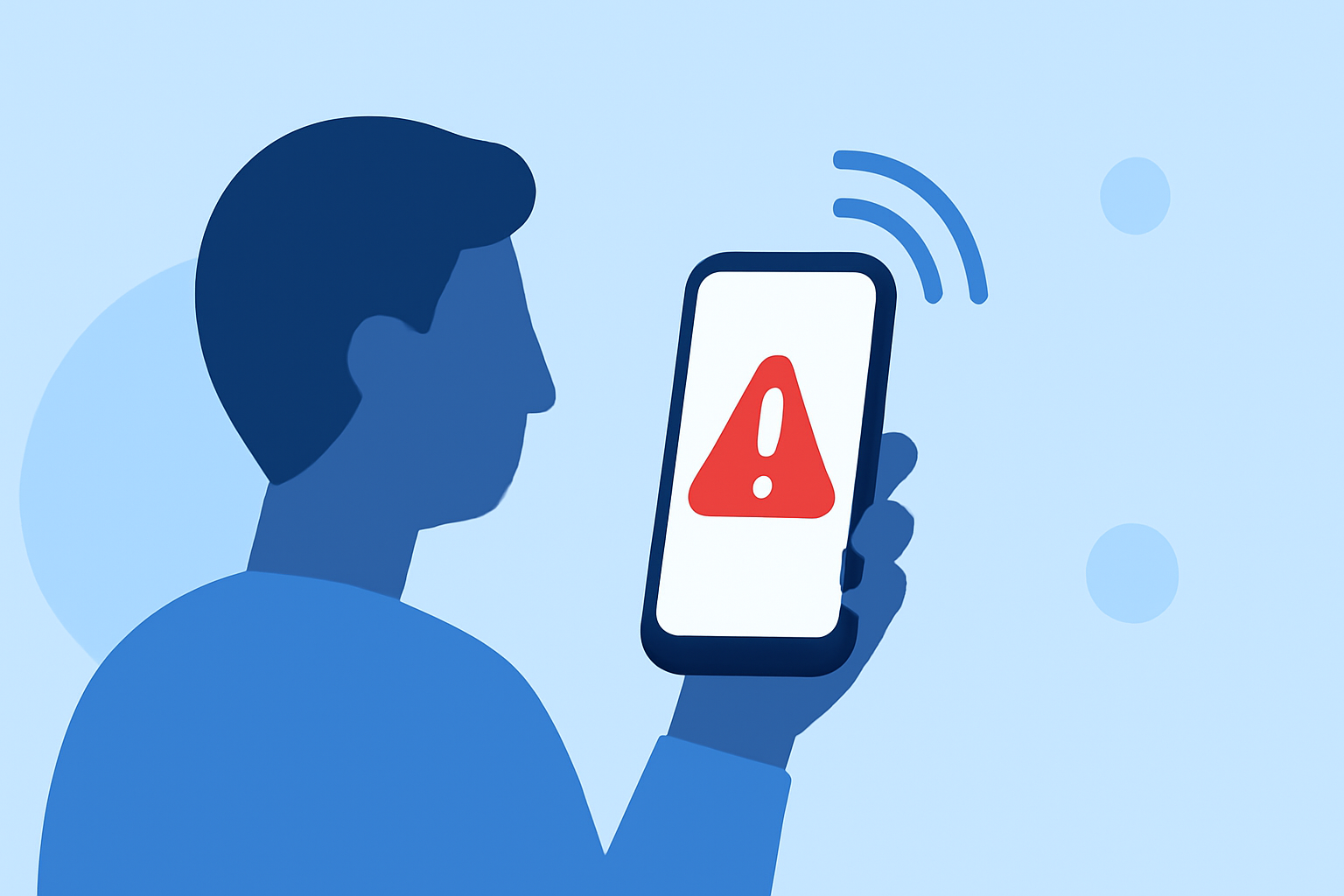
Traveling across the United States exposes you to various emergencies, from severe weather to local hazards. Staying informed is crucial, and Wireless Emergency Alerts (WEAs) are a vital tool in this endeavor.
What Are Wireless Emergency Alerts (WEAs)?
WEAs are short emergency messages sent by authorized government authorities to alert the public about imminent threats. These alerts are broadcasted to WEA-capable mobile devices within a specific area, ensuring timely dissemination of critical information. (weather.gov)
Types of Wireless Emergency Alerts
There are several categories of WEAs, each serving a distinct purpose:
-
Imminent Threat Alerts: Warn of severe weather or other disasters posing a threat to life or property.
-
Public Safety Messages: Provide information about local emergencies requiring evacuation or immediate action.
-
AMBER Alerts: Notify communities about missing children.
-
Presidential Alerts: Issued by the U.S. president during a national emergency.
These alerts are designed to inform you of imminent threats to safety or missing persons alerts in your area. (verizon.com)
How Do WEAs Work?
When an authorized agency issues a WEA, the message is broadcasted from cell towers to all compatible mobile devices within the affected area. This broadcast method ensures that the alert reaches all devices simultaneously, without the need for individual messages. (legalclarity.org)
Receiving WEAs While Traveling
As you travel, your mobile device will receive WEAs if you're within the broadcast area of an active alert. These alerts are broadcast to the affected areas, so you can stay informed about emergencies in your vicinity. (uscellular.com)
Clime's Role in Enhancing Travel Safety
While WEAs provide essential alerts, Clime offers additional services to further enhance your safety during travel:
-
Real-Time Weather Updates: Receive timely information on weather conditions, helping you plan your activities and avoid hazardous situations.
-
Severe Weather Notifications: Get alerts about severe weather events, such as storms or hurricanes, allowing you to take necessary precautions.
-
Travel Planning Tools: Access tools that assist in planning your travel routes, considering weather conditions and potential hazards.
By integrating Clime's services with the information provided by WEAs, you can make informed decisions and ensure a safer travel experience.
Conclusion
Wireless Emergency Alerts are a crucial component of public safety, providing timely information about imminent threats. By understanding how WEAs work and utilizing Clime's services, you can enhance your safety and preparedness during your travels across the United States.
Highlights:
- Weather warnings on the go!
- Wireless Emergency Alerts - What are they and how do they work?
- Wireless Weather Alerts