
Understanding Wireless Emergency Alerts: A Step-by-Step Guide
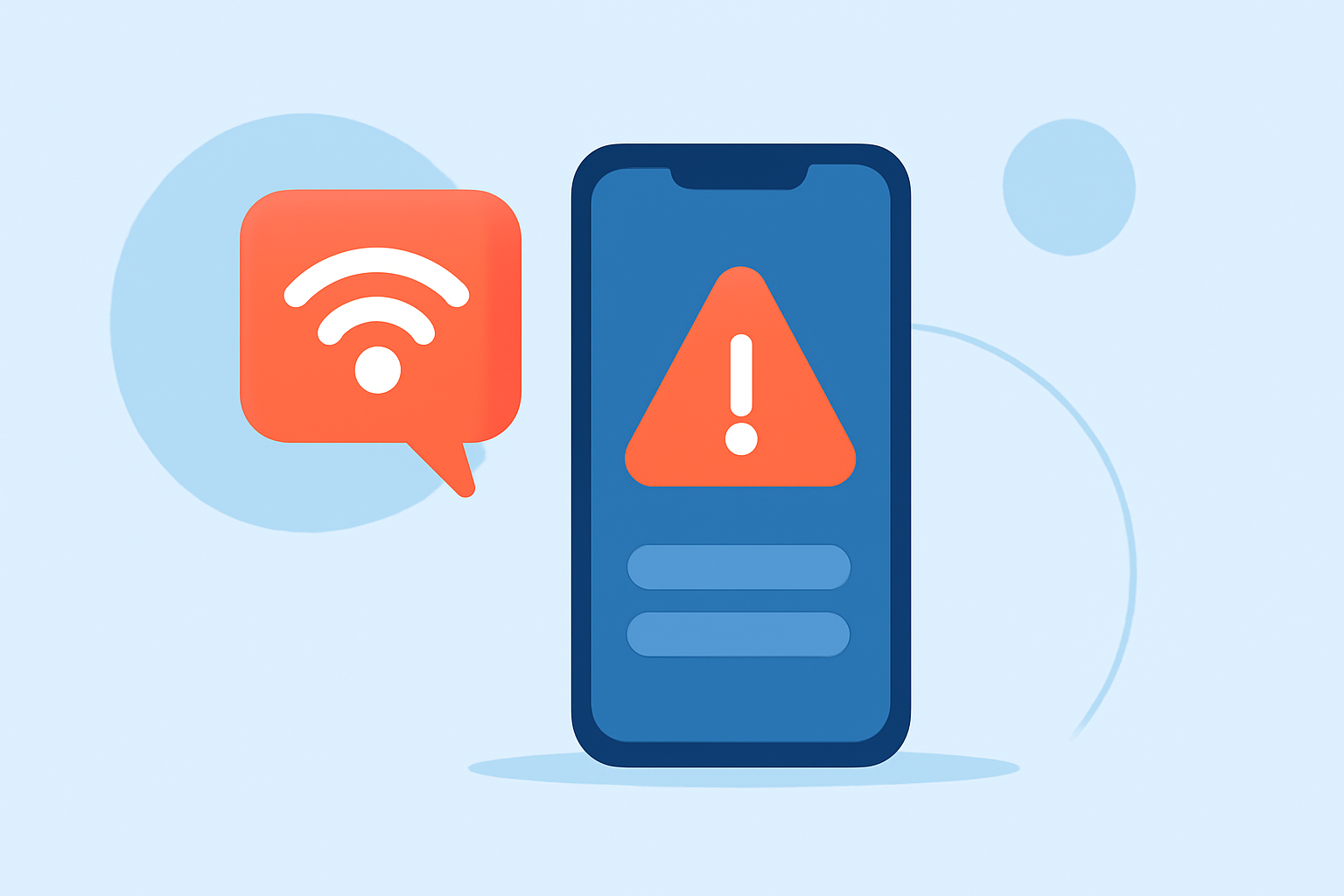
Wireless Emergency Alerts (WEA) are critical notifications sent directly to your mobile device during emergencies, providing timely information to help you stay safe. These alerts are issued by authorized government authorities, including local and state public safety agencies, the National Weather Service, and the President of the United States. (weather.gov)
What Are Wireless Emergency Alerts?
WEAs are concise messages, typically no more than 360 characters, delivered to WEA-capable mobile devices in a specific area. They inform you about imminent threats, such as severe weather events, AMBER Alerts for child abductions, and Presidential Alerts during national emergencies. (ready.gov)
Types of Wireless Emergency Alerts
-
Presidential Alerts: Issued by the President or a designee during a national emergency. These alerts cannot be disabled.
-
Imminent Threat Alerts: Issued when there is an imminent threat to life or property in your area, including severe weather events like tornadoes, hurricanes, and flash floods.
-
AMBER Alerts: Issued to help law enforcement search for and locate an abducted child.
-
Public Safety Alerts: Issued for local emergencies requiring evacuation or immediate action.
How Do Wireless Emergency Alerts Work?
When an authorized agency issues a WEA, the message is broadcasted from cell towers to all WEA-capable devices within the affected area. This system ensures that alerts are received promptly, even if your device is on silent mode, as the alerts include a unique sound and vibration pattern. (weather.gov)
Managing Wireless Emergency Alerts on Your Device
For iPhone Users:
-
Open Settings and tap Notifications.
-
Scroll to the bottom.
-
Under Government Alerts, toggle the types of alerts on or off.
For Android Users:
-
Open Settings and tap Notifications.
-
Scroll down to Advanced Settings.
-
Tap Wireless Emergency Alerts.
-
Toggle alerts on or off individually.
Important Considerations
-
No Opt-Out for Presidential Alerts: Presidential Alerts are mandatory and cannot be disabled.
-
Device Compatibility: Most devices released in 2012 or later are WEA-capable. To check if your device supports WEA, consult your device's specifications or contact your wireless provider. (cellcom.com)
-
Receiving Alerts While Traveling: If you travel into an area where a WEA has been issued, your device will receive the alert upon entering the area, provided your device is WEA-capable and your wireless carrier participates in the program. (weather.gov)
Conclusion
Wireless Emergency Alerts are a vital tool for keeping you informed and safe during emergencies. By understanding how they work and managing your device settings appropriately, you can ensure you receive critical information when it matters most.
Highlights:
- Weather warnings on the go!
- How Wireless Emergency Alerts Work: Types and Settings - LegalClarity, Published on Wednesday, May 13
- WEA Public Safety Messages: What They Are and How They Work - LegalClarity, Published on Saturday, May 16