
Urban Heat Island Effects: Essential Tips for Pet Owners in the U.S.
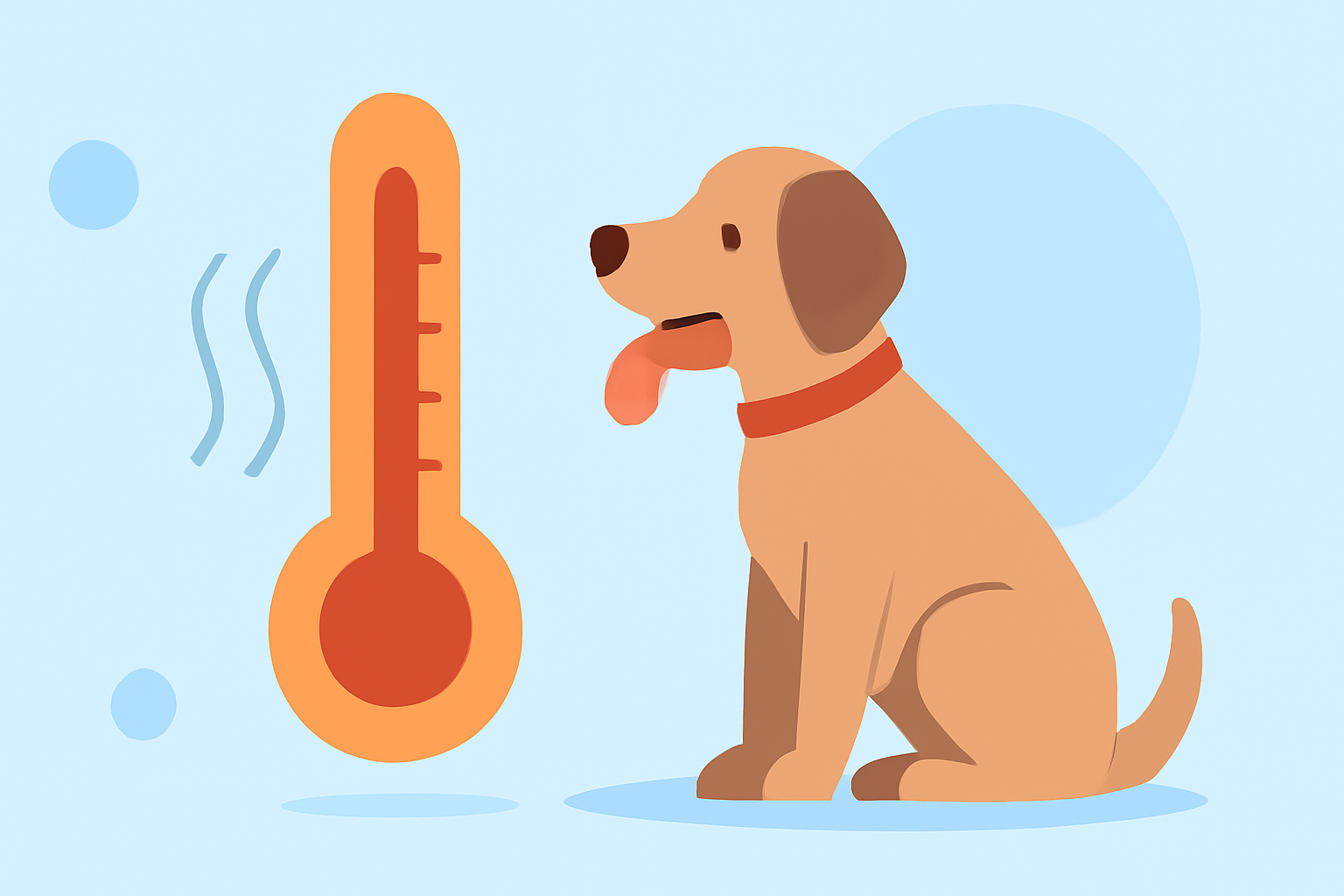
Urban Heat Islands (UHIs) are urban areas that experience higher temperatures than their rural surroundings due to human activities and infrastructure. This phenomenon poses significant risks to pets, as they are more susceptible to heat-related illnesses than humans. (cdc.gov)
What Are Urban Heat Islands?
UHIs occur when cities replace natural land cover with dense concentrations of pavement, buildings, and other surfaces that absorb and retain heat. This leads to urban areas being significantly warmer than their rural counterparts, especially during summer months. (en.wikipedia.org)
How Do UHIs Affect Pets?
Pets, particularly dogs and cats, have limited ways to cool themselves compared to humans. They primarily regulate body temperature through panting and seeking shade. In urban environments, the intensified heat from UHIs can overwhelm these natural cooling mechanisms, leading to heat stress or heatstroke. (nationalgeographic.com)
Signs of Heat Stress in Pets
Recognizing the symptoms of heat stress is crucial for timely intervention. Common signs include:
-
Excessive panting or difficulty breathing
-
Drooling
-
Vomiting or diarrhea
-
Lethargy or weakness
-
Bright red or blue gums
-
Seizures
If you observe any of these signs, it's imperative to move your pet to a cooler area and seek veterinary care immediately. (nationalgeographic.com)
Effective Strategies to Protect Your Pet
-
Provide Ample Fresh Water: Ensure your pet has constant access to fresh, cool water. Dehydration can exacerbate heat-related issues. (cdc.gov)
-
Create Cool Spaces Indoors: Designate areas in your home with cooler temperatures, such as rooms with tiled floors or basements. Using cooling mats or placing frozen water bottles wrapped in towels in your pet's resting area can also help. (brussels.be)
-
Limit Outdoor Activities: Avoid walks and playtime during peak heat hours, typically between 10 a.m. and 4 p.m. If outdoor time is necessary, keep it brief and ensure your pet has access to shade and water.
-
Never Leave Pets in Parked Cars: Even with windows cracked open, temperatures inside a vehicle can rise rapidly, leading to heatstroke. Always leave your pet at home during errands. (cdc.gov)
-
Use Cooling Products: Consider pet-specific cooling vests, mats, or bandanas designed to lower body temperature. These products can provide additional relief during hot days.
-
Maintain a Healthy Weight: Overweight pets are more prone to heat stress. Ensure your pet maintains a healthy weight through proper diet and regular exercise.
Clime's Role in Pet Safety
Clime offers advanced weather monitoring solutions that provide real-time, hyper-local weather data. By integrating Clime's services, pet owners can receive timely alerts about extreme heat events, allowing them to take proactive measures to protect their pets. This integration ensures that pet owners are always informed and prepared, enhancing the safety and well-being of their furry companions.
Conclusion
Urban Heat Islands present a significant challenge to pet safety, especially during extreme heat events. By understanding the risks and implementing protective strategies, pet owners can ensure their pets remain healthy and comfortable. Leveraging tools like Clime can further enhance preparedness and response to heat-related challenges.
Highlights:
- Salt Lake City's urban heat islands, mapped, Published on Wednesday, July 17
- How "heat islands" are making extreme heat worse, Published on Monday, July 22
- Heat islands make Seattle seem hotter, Published on Friday, July 19