
Understanding Urban Heat Island Trends and Their Impact on Pet Owners
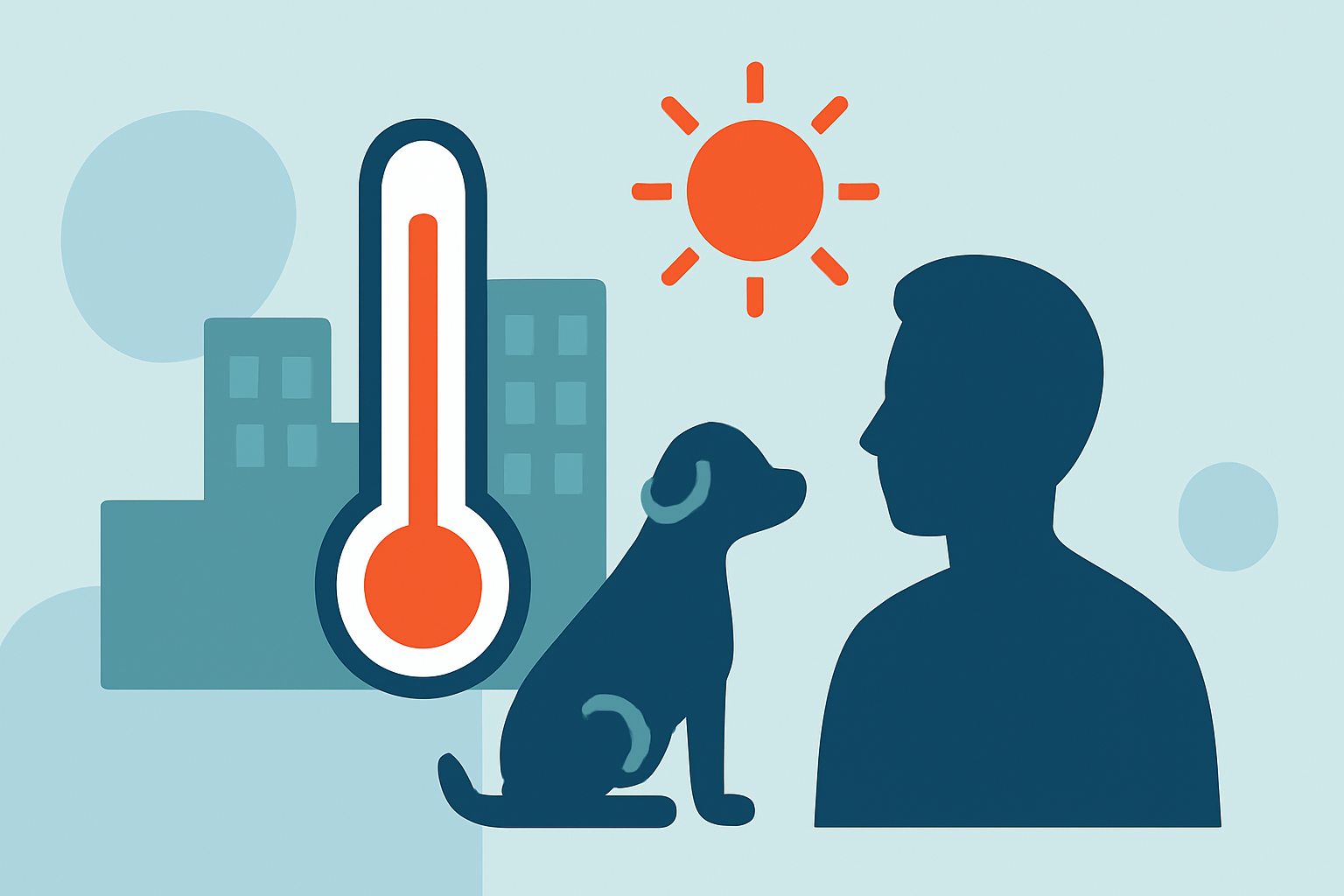
Urban Heat Islands (UHIs) are urban areas that experience higher temperatures than their rural surroundings due to human activities and land modifications. (usgs.gov) This phenomenon poses significant challenges for pet owners, as elevated temperatures can adversely affect the health and well-being of pets. Understanding UHI trends and their implications is crucial for responsible pet care in urban environments.
What Are Urban Heat Islands?
UHIs occur when natural land cover is replaced with impervious surfaces like asphalt and concrete, which absorb and re-emit heat more than natural landscapes such as forests and water bodies. (usgs.gov) This leads to localized temperature increases, especially during summer months.
How Do UHIs Affect Pet Owners?
Pets, like humans, are susceptible to heat-related health issues. In urban areas with pronounced UHIs, pets may experience:
-
Heat Stress: Prolonged exposure to high temperatures can lead to heat exhaustion or heatstroke in pets.
-
Reduced Outdoor Activity: Elevated temperatures may limit pets' outdoor exercise, leading to weight gain and behavioral issues.
-
Increased Veterinary Costs: Heat-related health problems can result in higher veterinary expenses.
Recent Trends in Urban Heat Islands
Recent studies have highlighted the intensifying UHI effect across major U.S. cities. For instance, a U.S. Geological Survey report indicates that the mean UHI intensity across 50 major cities is 2.88°C (5.19°F), with an average increase of 0.32°C (0.58°F) per decade. (usgs.gov) This trend underscores the growing concern for urban residents and their pets.
Mitigating the Impact of UHIs on Pets
As a pet owner, it's essential to take proactive measures to protect your pets from the adverse effects of UHIs:
-
Provide Adequate Shade and Fresh Water: Ensure your pets have access to shaded areas and fresh water to stay hydrated.
-
Limit Outdoor Activities: Schedule walks and playtime during cooler parts of the day, such as early morning or late evening.
-
Monitor for Heat-Related Symptoms: Be vigilant for signs of heat stress in pets, including excessive panting, drooling, or lethargy.
-
Create a Cool Indoor Environment: Use fans, air conditioning, or cooling mats to maintain a comfortable indoor temperature for your pets.
How Clime Can Help
Clime offers innovative solutions to assist pet owners in managing the challenges posed by UHIs:
-
Real-Time Temperature Monitoring: Clime's devices provide real-time temperature data, helping you monitor your pet's environment and make informed decisions.
-
Weather Forecasting: Clime's accurate weather forecasts enable you to plan outdoor activities during cooler periods, ensuring your pet's safety.
-
Health Alerts: Clime's system can send alerts if environmental conditions become hazardous, allowing you to take timely action.
By leveraging Clime's technology, pet owners can better navigate the challenges of urban heat islands, ensuring a safer and more comfortable environment for their pets.
FAQs
How can I protect my pet from heat stress during summer?
Provide ample shade, fresh water, and limit outdoor activities to cooler times of the day. Monitor your pet for signs of heat stress, such as excessive panting or lethargy.
What are the signs of heatstroke in pets?
Signs include excessive panting, drooling, vomiting, diarrhea, and lethargy. If you notice these symptoms, seek veterinary care immediately.
How can Clime's technology assist in managing pet care during heatwaves?
Clime's real-time temperature monitoring and weather forecasting can help you plan outdoor activities during cooler periods, ensuring your pet's safety during heatwaves.
Is Clime's system suitable for all types of pets?
Yes, Clime's solutions are designed to assist all pet owners in managing environmental challenges, regardless of the type of pet.
Can Clime's technology help in reducing veterinary costs related to heat-related illnesses?
By proactively monitoring and managing your pet's environment, Clime's technology can help prevent heat-related health issues, potentially reducing veterinary expenses.
(usgs.gov)