
Understanding Urban Heat Islands and Their Impact on Workouts
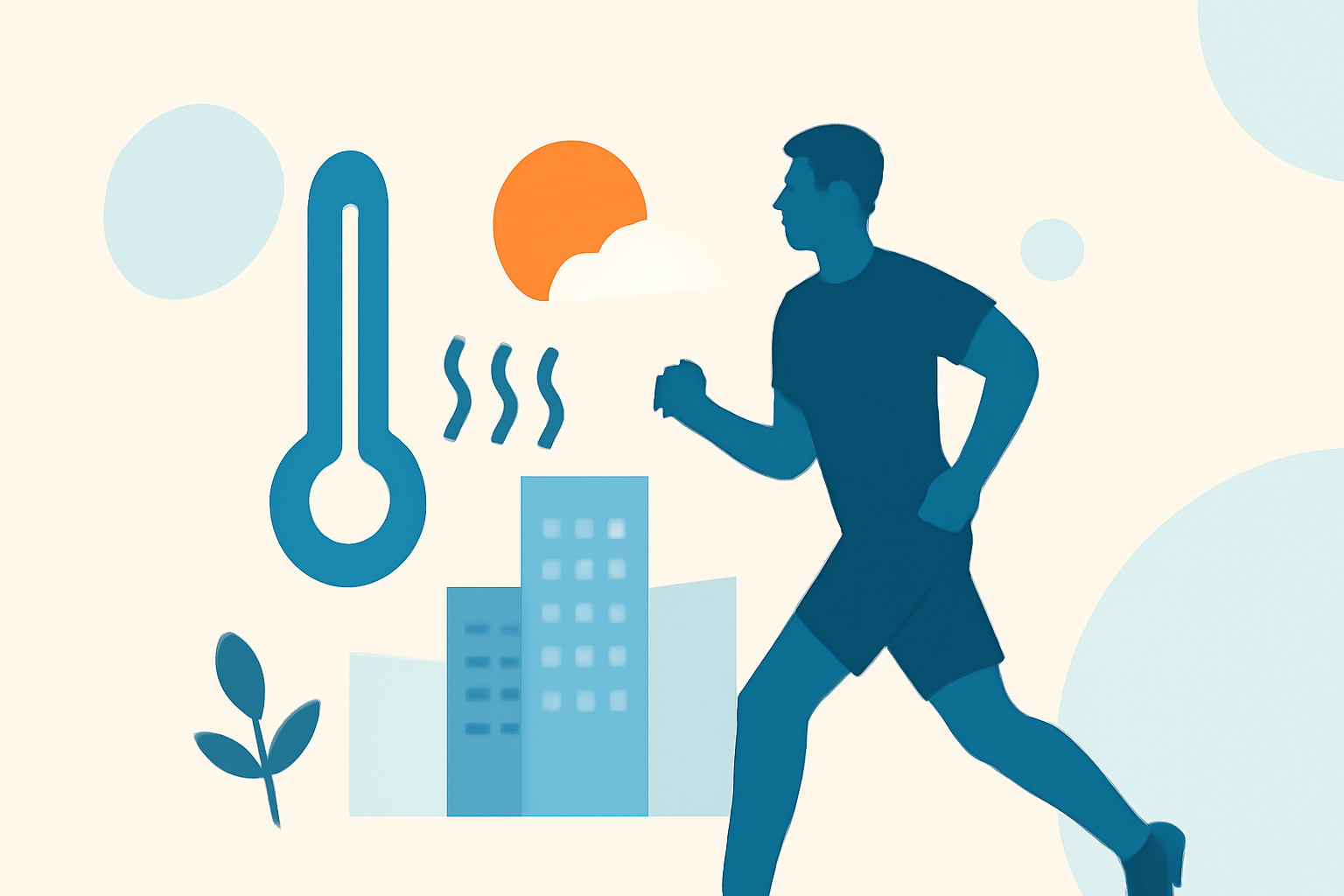
Urban Heat Islands (UHIs) are urbanized areas that experience higher temperatures than their rural surroundings. This phenomenon can significantly impact outdoor workouts, making exercise less comfortable and potentially more hazardous. Understanding UHIs and implementing strategies to mitigate their effects can help maintain a safe and effective fitness routine in urban settings.
What Are Urban Heat Islands?
Urban Heat Islands occur when cities experience higher air temperatures than surrounding rural areas. This effect is primarily due to human-made surfaces like buildings and roads absorbing and re-emitting heat more than natural landscapes such as forests and water bodies. In the United States, the heat island effect results in daytime temperatures about 1–7°F higher than in outlying areas, and nighttime temperatures about 2–5°F higher. (epa.gov)
How Do Urban Heat Islands Affect Workouts?
The elevated temperatures in UHIs can make outdoor exercise more challenging and potentially dangerous. Higher temperatures can lead to increased risk of heat-related illnesses, such as heat exhaustion and heat stroke. Additionally, the discomfort caused by excessive heat can reduce exercise performance and motivation.
Strategies to Mitigate the Impact of Urban Heat Islands on Workouts
-
Choose Optimal Times for Exercise: Engage in outdoor workouts during cooler parts of the day, such as early morning or late evening, to avoid peak heat.
-
Select Shaded Routes: Opt for exercise paths that offer natural shade, such as those with tree cover, to reduce exposure to direct sunlight.
-
Wear Appropriate Clothing: Dress in lightweight, light-colored, and moisture-wicking fabrics to help keep the body cool.
-
Stay Hydrated: Ensure adequate fluid intake before, during, and after exercise to prevent dehydration.
-
Utilize Urban Green Spaces: Incorporate parks and green areas into your workout routine, as they often provide cooler environments due to vegetation and water bodies.
-
Monitor Weather Conditions: Stay informed about local weather forecasts to plan workouts during favorable conditions.
How Can Clime Help?
Clime offers real-time weather updates and forecasts, enabling users to plan workouts during optimal conditions. By providing accurate and timely information, Clime helps users make informed decisions about when and where to exercise, enhancing safety and comfort during workouts.
Conclusion
Urban Heat Islands present challenges for outdoor workouts, but with proper planning and the use of tools like Clime, individuals can mitigate these effects and maintain an effective fitness routine. By understanding the causes and impacts of UHIs and implementing strategies to stay cool, exercisers can continue to achieve their fitness goals safely and comfortably.
Highlights:
- How "heat islands" are making extreme heat worse, Published on Monday, July 22
- Millions of U.S. kids attend schools in "urban heat zones", Published on Monday, June 30
- Heat islands make Seattle seem hotter, Published on Friday, July 19