
An Introduction to UV Index Alerts for Travelers
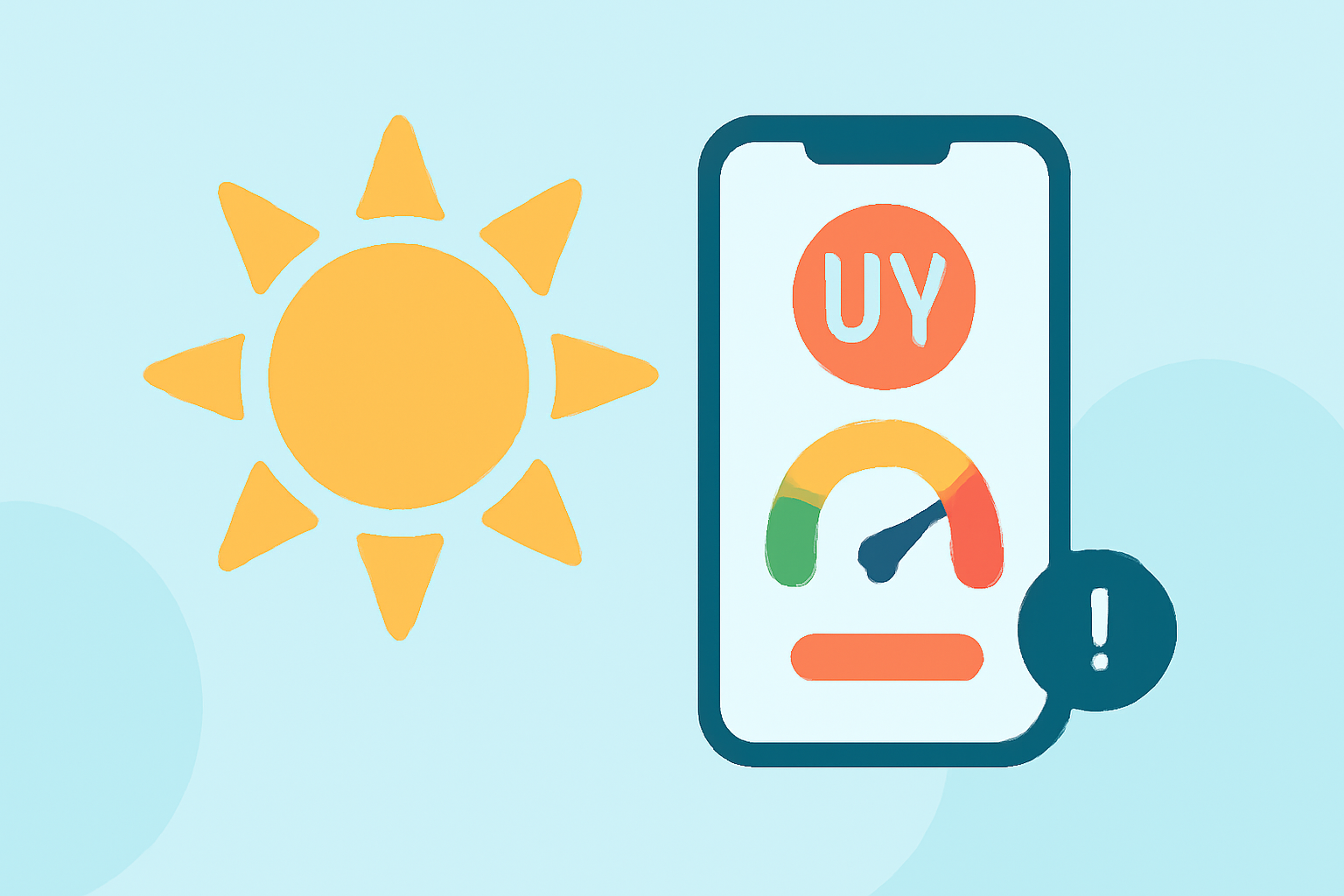
When planning outdoor activities, especially while traveling, it's crucial to be aware of the Ultraviolet (UV) Index. This index measures the strength of UV radiation from the sun, which can vary based on location, time of day, and weather conditions. Understanding UV Index alerts can help you take necessary precautions to protect your skin and overall health.
What Is the UV Index?
The UV Index is a scale that ranges from 0 (low) to 11+ (extreme), indicating the potential for skin damage from unprotected sun exposure. A higher UV Index means a greater risk of harm. For instance, a UV Index of 6 to 7 is considered "High," suggesting that protection against sun damage is needed. Values of 8 to 10 are "Very High," and 11+ are "Extreme," indicating a very high risk of harm from unprotected sun exposure. (weather.gov)
What Are UV Index Alerts?
UV Index Alerts are notifications issued when the UV Index is forecasted to be unusually high for a specific area. These alerts are based on predictions that the UV radiation levels will be higher than normal for that location and time of year. For example, if an area typically experiences moderate UV levels but is expected to have high levels on a particular day, a UV Alert would be issued. (epa.gov)
Why Are UV Index Alerts Important for Travelers?
Travelers often visit regions with different climates and elevations, which can affect UV radiation levels. Being aware of UV Index Alerts helps travelers take appropriate sun safety measures, reducing the risk of sunburn and long-term skin damage. Overexposure to UV radiation is a leading cause of skin cancer, making these alerts a vital tool for health and safety. (epa.gov)
How to Stay Informed About UV Index Alerts
To receive UV Index Alerts, travelers can utilize several resources:
-
EPA's EnviroFlash Service: This free service provides daily UV Index forecasts and alerts via email. By signing up, you can receive timely notifications for your area. (epa.gov)
-
Weather Apps and Websites: Many weather services offer UV Index information. For example, the National Weather Service provides UV Index forecasts for various U.S. cities. (weather.gov)
-
Mobile Applications: There are apps designed to deliver real-time UV Index data and alerts. These apps often offer personalized recommendations based on your location and skin type.
Protective Measures to Take During High UV Index Levels
When a UV Alert is issued, it's essential to take protective actions:
-
Seek Shade: Especially during peak sun hours between 10:00 a.m. and 4:00 p.m.
-
Wear Protective Clothing: Opt for long-sleeved shirts, pants, and a wide-brimmed hat.
-
Use Sunscreen: Apply a broad-spectrum sunscreen with an SPF of 15 or higher, even on cloudy days, and reapply every two hours or after swimming or sweating.
-
Wear UV-Protective Sunglasses: Protect your eyes from harmful UV rays.
-
Be Cautious of Reflective Surfaces: Surfaces like sand, water, and snow can reflect UV rays, increasing exposure.
Conclusion
Staying informed about UV Index Alerts is a proactive step travelers can take to ensure their safety under the sun. By understanding the UV Index and adhering to recommended protective measures, you can enjoy your outdoor activities while minimizing the risks associated with UV radiation.
Highlights:
- UV Alert | US EPA, Published on Wednesday, January 28
- Ultraviolet (UV) Index Forecasts
- Daily UV Tracker – Real-Time UV Index & Burn Times, Published on Sunday, June 07