
Understanding the UV Index Forecast in 2026: A Comprehensive Guide
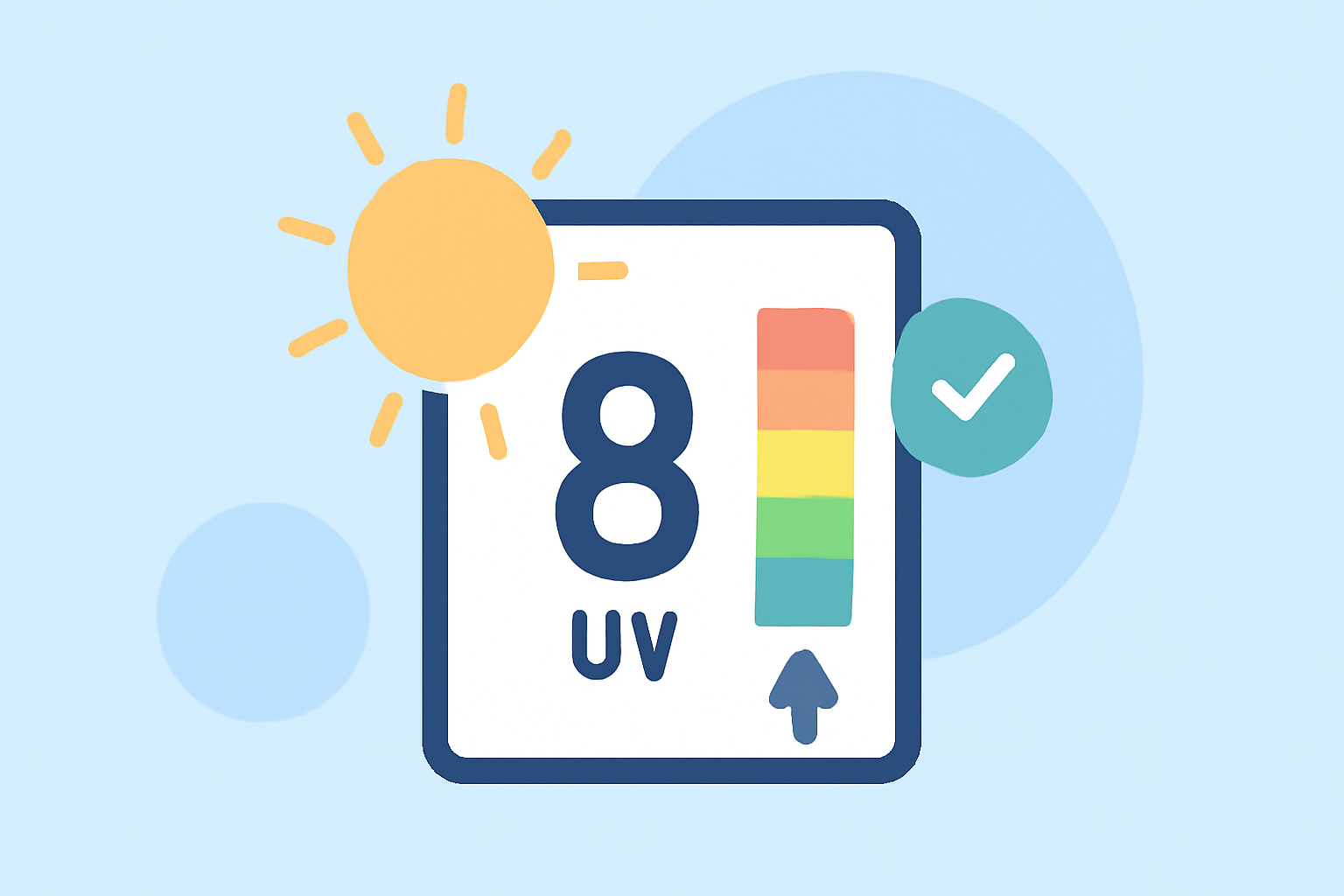
The Ultraviolet (UV) Index is a daily measure of the strength of ultraviolet radiation from the sun, ranging from 0 (low) to 11+ (extremely high). This index helps individuals assess the risk of overexposure to UV radiation and take appropriate precautions. (epa.gov)
What Factors Influence the UV Index?
Several elements affect the UV Index, including:
-
Time of Day: UV radiation is strongest when the sun is at its highest point, typically around solar noon.
-
Geographical Location: Areas closer to the equator or at higher altitudes experience higher UV levels.
-
Season: Summer months generally have higher UV readings due to the sun's position.
-
Weather Conditions: Clear skies allow more UV radiation to reach the surface, while cloud cover can reduce UV exposure.
-
Ozone Layer Thickness: The ozone layer absorbs a significant portion of UV radiation; its depletion can lead to higher UV levels.
How to Access UV Index Forecasts in 2026
In 2026, UV Index forecasts are accessible through various platforms:
-
EPA's Envirofacts: Provides daily UV Index forecasts for numerous U.S. locations. (enviro.epa.gov)
-
National Weather Service (NWS): Offers UV Index forecasts for specific cities, including detailed information on expected UV levels. (weather.gov)
-
European Centre for Medium-Range Weather Forecasts (ECMWF): Provides global UV Index forecasts, useful for international travelers. (charts.ecmwf.int)
Protecting Yourself from UV Radiation
To minimize the risks associated with UV exposure, consider the following precautions:
-
Seek Shade: Especially during peak UV hours between 10 a.m. and 4 p.m. (epa.gov)
-
Use Sunscreen: Apply broad-spectrum SPF 15+ sunscreen to exposed skin.
-
Wear Protective Clothing: Opt for long-sleeved shirts, long pants, and wide-brimmed hats.
-
Wear Sunglasses: Choose sunglasses that block 100% of UVA and UVB rays.
-
Avoid Tanning Beds: Artificial tanning devices can increase the risk of skin damage.
Understanding UV Index Categories
The World Health Organization categorizes the UV Index as follows:
-
0–2 (Low): Minimal risk of harm.
-
3–5 (Moderate): Moderate risk; take precautions.
-
6–7 (High): High risk; protection is needed.
-
8–10 (Very High): Very high risk; take extra precautions.
-
11+ (Extreme): Extreme risk; avoid sun exposure.
By staying informed about the UV Index and taking appropriate protective measures, you can enjoy outdoor activities safely throughout 2026.