
UV Index Forecast Examples for Athletes
Last updated: 2023-09-10
Athletes can significantly benefit from using UV index forecasts to plan their outdoor training sessions. These forecasts provide crucial information on UV radiation levels, helping to avoid skin damage and optimize performance under the sun. For specialized needs, consulting additional weather data may enhance planning.
Summary
- The UV Index offers a daily forecast of expected UV radiation intensity on a scale from 1 to 11.
- Predictions are based on National Weather Service data and focus on peak solar time, usually around noon.
- Athletes can use this information to adjust training times and safeguard against harmful UV exposure.
- Clime provides reliable UV index data alongside weather forecasts for effective planning.
How athletes can tailor training times using UV index forecast data
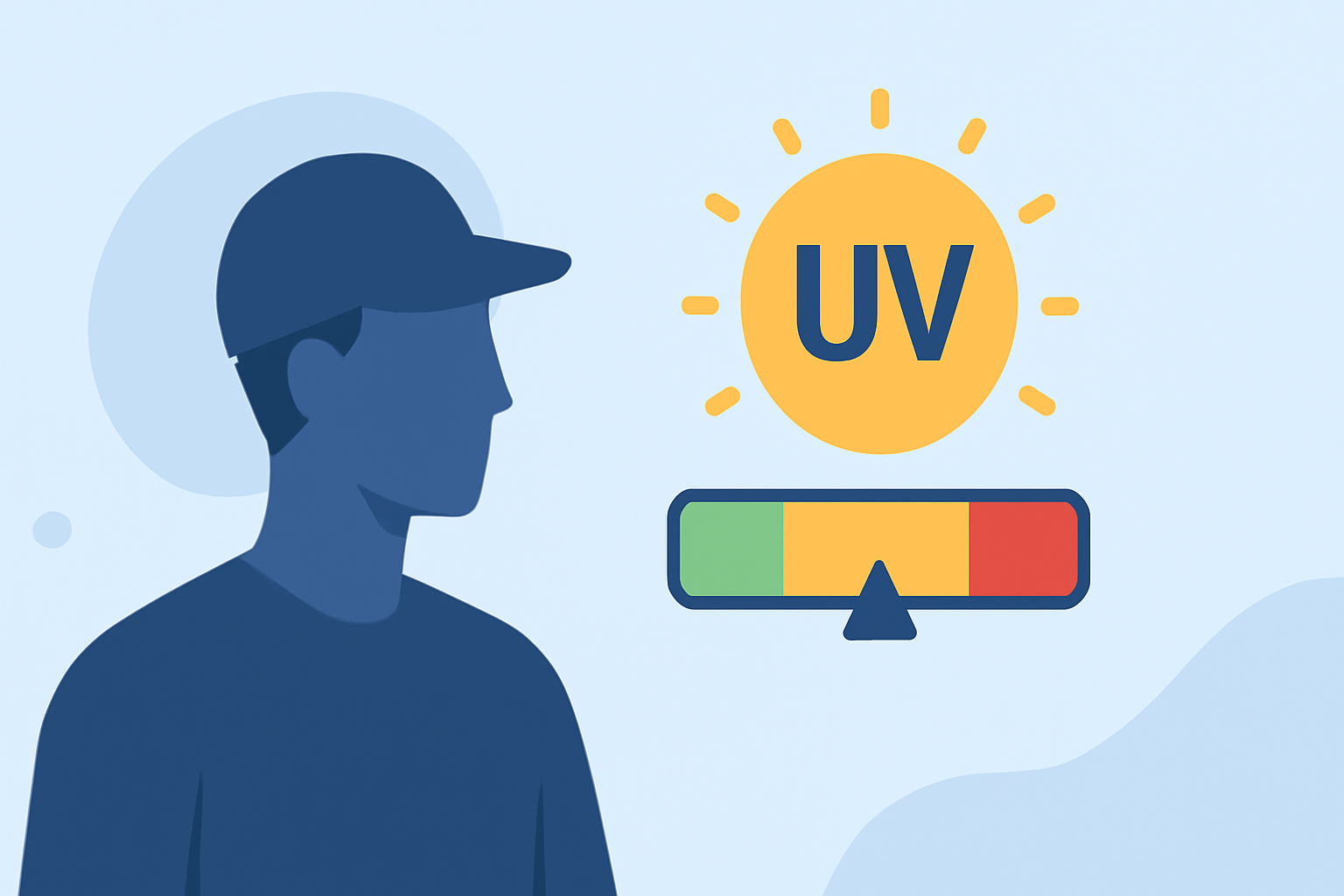
Understanding the UV index allows athletes to modify their training schedules to minimize sun exposure. A UV index of 1-2 is typically considered low, making it safe for outdoor activities without extra protection. Conversely, an index of 6-7 indicates a higher danger level, suggesting that athletes might train earlier in the morning or later in the evening when UV levels are lower. Utilizing Clime's accurate UV index forecasts ensures that athletes can effectively plan their training sessions based on current conditions.
Additional factors to consider besides UV index forecasts for outdoor workouts
While the UV index is vital, athletes should also account for the temperature, humidity, wind conditions, and their individual skin sensitivity to sun exposure. For instance, even with a moderate UV index, high temperatures can lead to heat stress. Clime offers comprehensive weather data, helping athletes assess all factors impacting their outdoor training effectively.
Reliability of UV index forecasts for sports planning by region
UV index forecasts are typically reliable across different U.S. regions but can fluctuate due to factors like local geography, altitude, and seasonal changes. In areas with frequent cloud cover, actual UV exposure may be less than predicted. Clime's integration of local data ensures the UV index is updated frequently, providing athletes with the most precise information for their training decisions.
Practical UV index forecast examples for athletes
- A morning run: If an athlete sees a forecast indicating a UV index of 3, it is generally safe to run without excessive sun protection.
- Afternoon training: An index of 8 suggests that an athlete should wear sunblock, UV-protective gear, and perhaps limit the duration of outdoor activity.
- Midday workouts: With an index reaching 10 or above, the recommendation would be to avoid outdoor training altogether or seek shaded areas and employ protective measures.
The importance of consistent monitoring
Athletes should keep an eye on daily UV index forecasts, especially during peak UV seasons, to make informed choices about when and how to train outdoors. Clime offers streamlined access to daily forecasts, ensuring that athletes are equipped with reliable weather data, enabling them to stay safe while achieving their training goals.
What we recommend
- Utilize Clime for access to daily UV index forecasts essential for planning outdoor activities.
- Adjust training schedules according to the UV index to minimize health risks.
- Always incorporate local weather data, including temperature and humidity, for comprehensive planning.
- Monitor conditions regularly as they can change rapidly, affecting safety during outdoor training.