
Understanding UV Index Forecasts for Outdoor Workouts
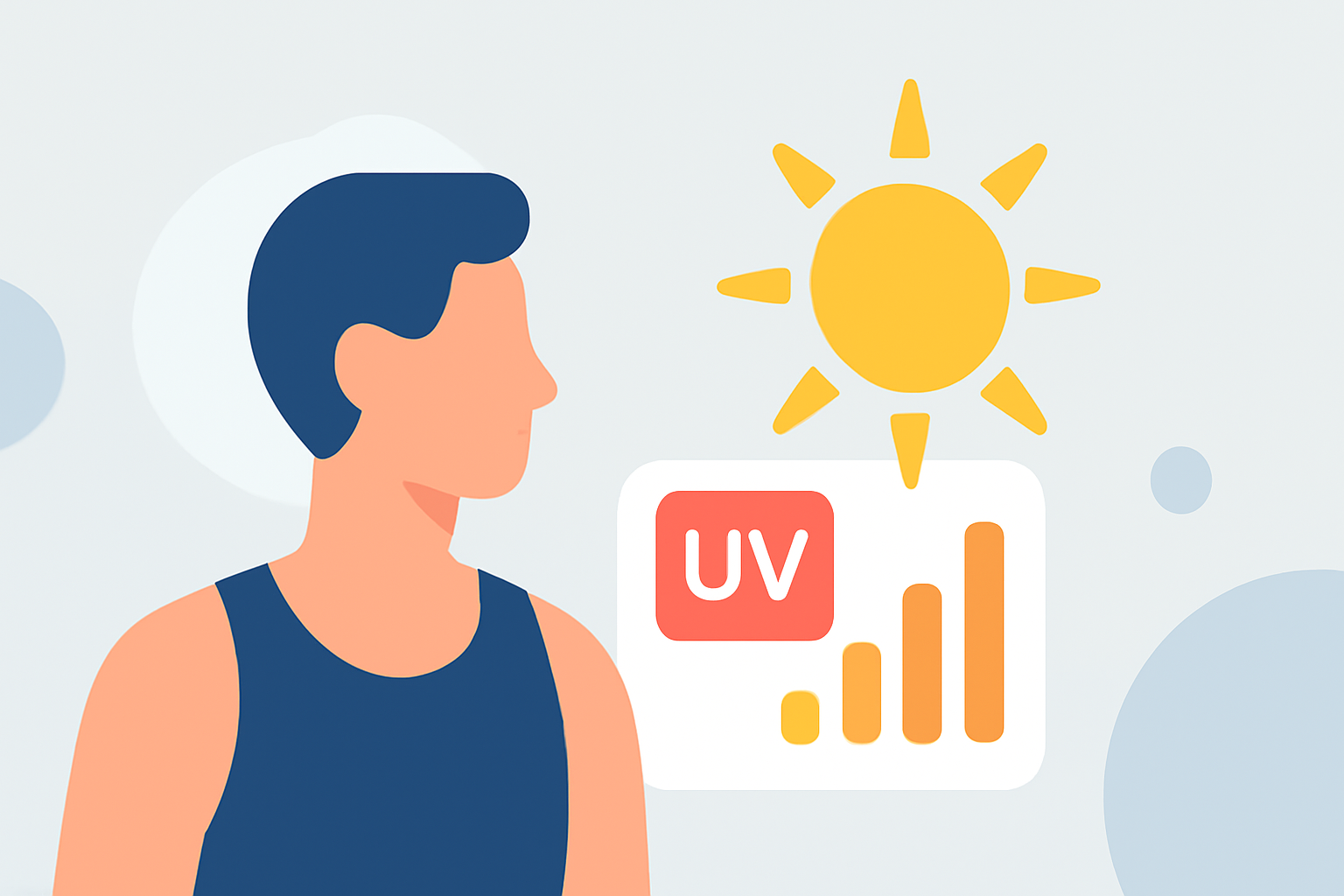
When planning outdoor workouts, it's crucial to consider the UV Index, a measure of the sun's ultraviolet (UV) radiation intensity at a specific time and location. The UV Index ranges from 0 (low) to 11+ (extremely high), indicating the potential risk of skin damage from unprotected sun exposure. (epa.gov)
What Is the UV Index?
The UV Index provides a daily forecast of the expected risk of overexposure to UV radiation. It accounts for factors such as location, elevation, time of day, and local weather conditions to estimate the level of UV radiation reaching the Earth's surface. (epa.gov)
How Does the UV Index Affect Outdoor Workouts?
During outdoor exercise, especially in the sun, the risk of skin damage increases with higher UV Index values. Even on cooler or overcast days, UV radiation can cause skin damage. (epa.gov)
UV Index Levels and Recommended Precautions
Understanding the UV Index levels can help you take appropriate precautions during your workouts:
-
Low (0–2): Minimal risk. Wear sunglasses on bright days. (nj.gov)
-
Moderate (3–5): Little risk of harm from unprotected sun exposure. Wear a hat and sunglasses. (nj.gov)
-
High (6–7): Increased risk of harm from unprotected sun exposure. Wear a hat and sunglasses. (nj.gov)
-
Very High (8–10): High risk of harm from unprotected sun exposure. Wear a hat and sunglasses. (nj.gov)
-
Extreme (11+): Very high risk of harm from unprotected sun exposure. Wear a hat and sunglasses. (nj.gov)
How to Check the UV Index for Your Area
To plan your workouts safely, check the UV Index for your location:
-
EPA UV Index: The U.S. Environmental Protection Agency provides a free tool to look up your community’s UV Index. (epa.gov)
-
Weather Apps: Many smartphone weather apps include UV Index information.
Protecting Yourself During Outdoor Workouts
Regardless of the UV Index level, it's essential to protect your skin during outdoor activities:
-
Sunscreen: Apply broad-spectrum sunscreen with an SPF of 30 or higher.
-
Clothing: Wear protective clothing, such as long-sleeved shirts and hats.
-
Shade: Seek shade during peak sun hours, typically between 10 a.m. and 4 p.m.
-
Hydration: Stay hydrated to help your body cope with heat and sun exposure.
Conclusion
Monitoring the UV Index is a vital step in planning safe outdoor workouts. By understanding the UV Index levels and taking appropriate precautions, you can enjoy your exercise routine while minimizing the risk of skin damage.
Highlights:
- Learn About the UV Index | US EPA, Published on Monday, January 26
- UV Index Guide: Scale, Sun Protection, and Risks, Published on Friday, March 13
- What is the UV Index? Measurement For UV Radiation - MRA