
UV Index Forecast Tips for Parents: Safeguarding Your Children from Harmful Sun Exposure
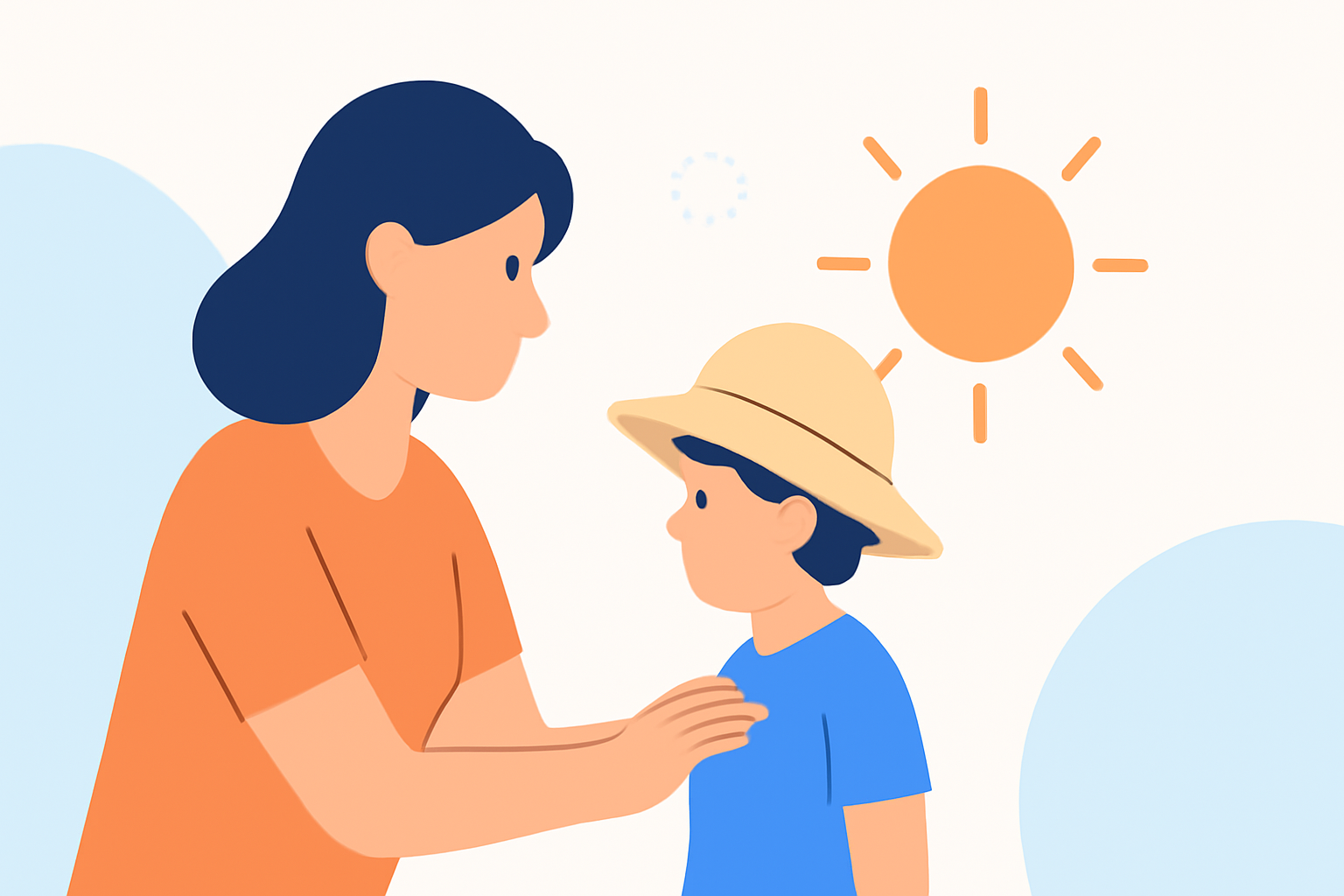
As a parent, ensuring your child's safety during outdoor activities involves understanding and responding to the Ultraviolet (UV) Index. This daily forecast indicates the strength of UV radiation, guiding you in taking appropriate sun protection measures. Here's how to effectively use UV index forecasts to safeguard your children from harmful sun exposure.
What Is the UV Index?
The UV Index is a scale that measures the intensity of UV radiation reaching the Earth's surface, ranging from 0 (low) to 11+ (extremely high). A higher UV Index signifies a greater potential for skin damage. (epa.gov)
How to Check the UV Index
To monitor the UV Index:
-
Use Reliable Sources: Access the Environmental Protection Agency's (EPA) UV Index forecast tool for accurate, location-specific information. (epa.gov)
-
Weather Apps: Many smartphone weather applications display the current UV Index for your area.
Understanding the UV Index Scale
The UV Index is categorized as follows:
-
0–2 (Low): Minimal risk of harm from unprotected sun exposure.
-
3–5 (Moderate): Moderate risk; protection is needed.
-
6–7 (High): High risk; extra precautions are necessary.
-
8–10 (Very High): Very high risk; take all precautions.
-
11+ (Extreme): Extreme risk; avoid outdoor activities. (epa.gov)
Sun Safety Measures for Parents
Based on the UV Index, implement the following protective strategies:
-
Low to Moderate UV Index (0–5):
-
Clothing: Dress your child in lightweight, long-sleeved shirts and pants to provide a physical barrier against UV rays.
-
Sunscreen: Apply a broad-spectrum sunscreen with an SPF of 30 or higher to exposed skin areas. Reapply every two hours or after swimming or sweating. (weather.gov)
-
Accessories: Equip your child with a wide-brimmed hat and UV-blocking sunglasses to protect the face and eyes.
-
High to Extreme UV Index (6–11+):
-
Seek Shade: Encourage your child to stay in shaded areas, especially during peak sun hours between 10 a.m. and 4 p.m. (weather.gov)
-
Limit Exposure: Reduce outdoor activities during peak UV times to minimize risk.
-
Protective Gear: Ensure your child wears protective clothing, including hats and sunglasses, and apply sunscreen generously.
Additional Tips
-
Cloudy Days: UV rays can penetrate through clouds, so continue protective measures even when it's overcast. (weather.gov)
-
Reflective Surfaces: Be cautious around water, sand, and snow, as they can reflect UV rays, increasing exposure.
-
Regular Skin Checks: Monitor your child's skin for any changes or signs of sun damage and consult a healthcare professional if you notice anything concerning.
By staying informed about the UV Index and implementing these protective strategies, you can significantly reduce your child's risk of sun-related health issues, ensuring they enjoy outdoor activities safely.
Highlights:
- Learn About the UV Index | US EPA, Published on Monday, January 26
- Protect Yourself, Family and Pets from Excessive Ultraviolet (UV) Radiation
- Sun Safety in Children