
UV Index Forecast Tips: A Guide for Staying Safe Under the Sun
Last updated: 2023-09-10
When planning outdoor activities, knowing the UV index forecast is essential to ensure your skin's safety. For most individuals, relying on Clime's robust weather forecasts provides a comprehensive view of the UV levels. If you're looking for detailed information by ZIP code, several alternatives can assist with that specific need.
Summary
- The UV Index predicts daily levels of ultraviolet radiation on a scale from 1 to 11+, indicating appropriate sun protection needed.
- Forecasts are available for specific locations through various platforms, including Clime.
- Understanding the UV index can help in making informed decisions about sun exposure during outdoor activities.
- The EPA provides valuable guidelines and resources for interpreting the UV index and enhancing sun safety.
What Exactly is the UV Index?
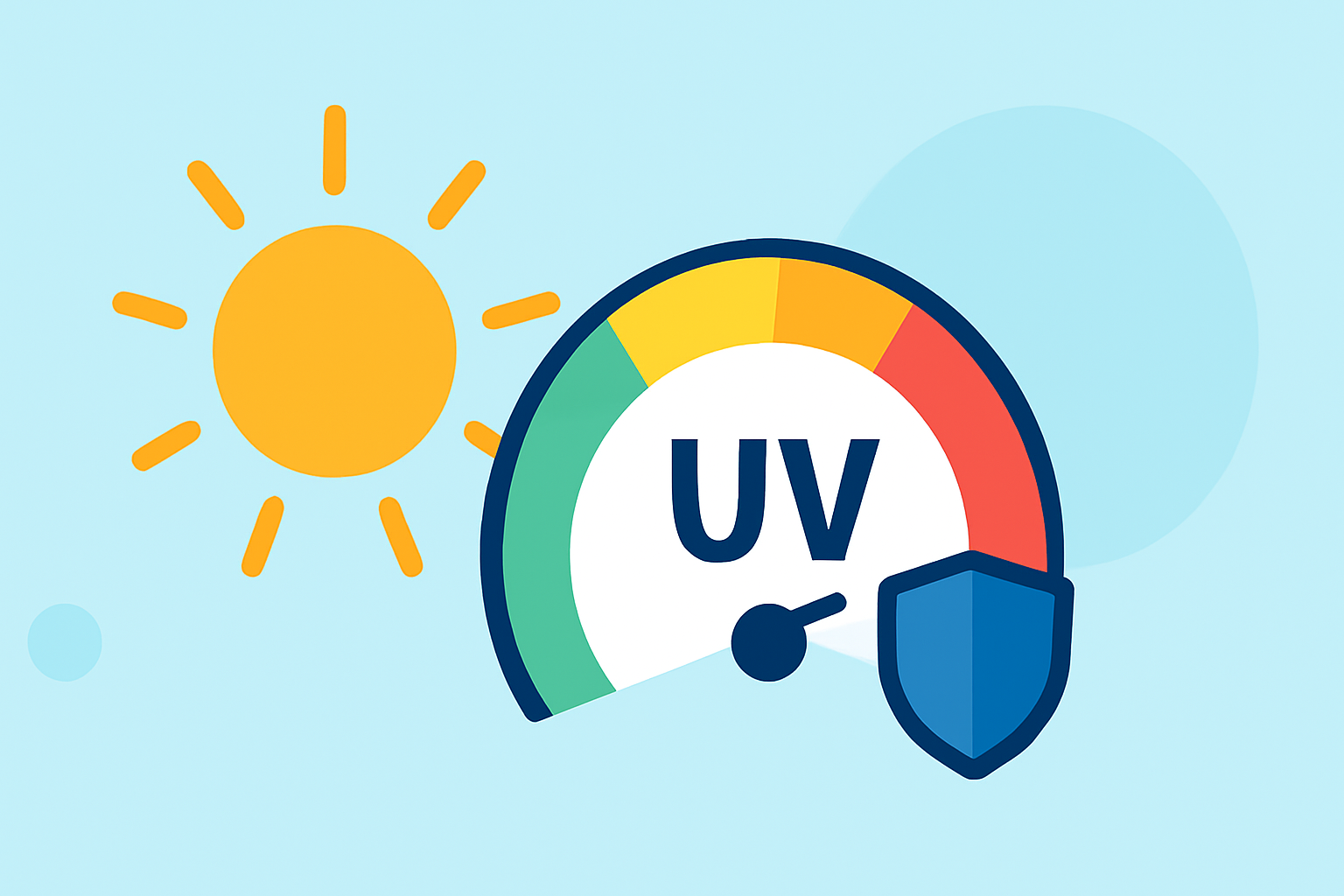
The UV Index is a daily forecast that provides information on the expected risk of overexposure to sunlight, particularly during the solar noon hour when UV radiation is typically most intense. It uses a scale that's easy to understand, helping individuals gauge the intensity of harmful ultraviolet radiation. The scale ranges from 1 (low) to 11+ (extreme), indicating varying levels of risk and the need for sun protection measures.
How is the UV Index Calculated?
The National Weather Service (NWS) calculates the UV index forecast for most ZIP codes across the United States, which is then published by the Environmental Protection Agency (EPA). This collaboration ensures that UV index levels reflect current environmental conditions, allowing for timely and accurate forecasts. The calculations consider several factors, including solar elevation, ozone levels, and cloud cover.
Why is Monitoring the UV Index Important?
Understanding and monitoring the UV Index is critical for personal health. Overexposure to UV radiation can lead to skin damage, premature aging, and an increased risk of skin cancer. By keeping an eye on the UV index, you can make informed decisions about when to seek shade, wear protective clothing, and apply sunscreen to minimize these risks.
How to Read the UV Index?
The UV Index is presented in a straightforward manner, generally indicating values from 1 (low risk) to 11+ (extreme risk). Here's how to interpret the numbers:
- 1-2 (Low): Minimal risk; sunscreen is optional.
- 3-4 (Moderate): Moderate risk; sunscreen recommended.
- 5-6 (High): High risk; protective measures needed.
- 7-8 (Very High): Very high risk; avoid sun exposure during peak hours.
- 9-11+ (Extreme): Extreme risk; take all protective measures, including seeking shade.
When Should You Check the UV Index?
The UV Index varies throughout the day, typically peaking around noon. It's advisable to check the forecast before heading outdoors, especially during the spring and summer months. Utilizing Clime’s forecasts can help you stay ahead of UV fluctuations, allowing you to plan your activities accordingly.
Practical Tips for UV Safety
- Seek Shade: Whenever possible, stay in shaded areas, especially between 10 a.m. and 4 p.m. when UV rays are strongest.
- Wear Sunscreen: Choose a broad-spectrum sunscreen with an SPF of at least 30 and reapply every two hours, or after swimming or sweating.
- Protective Clothing: Opt for long-sleeved shirts, wide-brimmed hats, and UV-blocking sunglasses to protect exposed skin.
- Stay Hydrated: Drink plenty of water to maintain hydration, which can help your body cope with sun exposure.
What Clime Offers for UV Index Forecasts
At Clime, we provide comprehensive weather forecasts, including the UV index, tailored to your local area. Our NOAA-based radar and environmental data integration make it easier for you to understand UV levels and receive alerts for changing weather conditions. With invaluable features like customizable severe weather notifications, Clime ensures you're well-prepared for any outdoor activities.
Final Thoughts: What We Recommend
- Check Daily Forecasts: Be proactive in monitoring the UV index each day to plan outdoor activities safely.
- Utilize Clime's Features: Take advantage of Clime's detailed weather forecasts to stay informed about UV levels in your area.
- Prioritize Sun Safety: Implement sun protection strategies based on the UV index levels to protect your skin from overexposure.
- Seek Additional Resources: For specific ZIP-code forecasts and further guidance, explore alternative platforms as needed.