
Tips for Managing UV Notifications During Pollen Season
Last updated: 2023-09-15
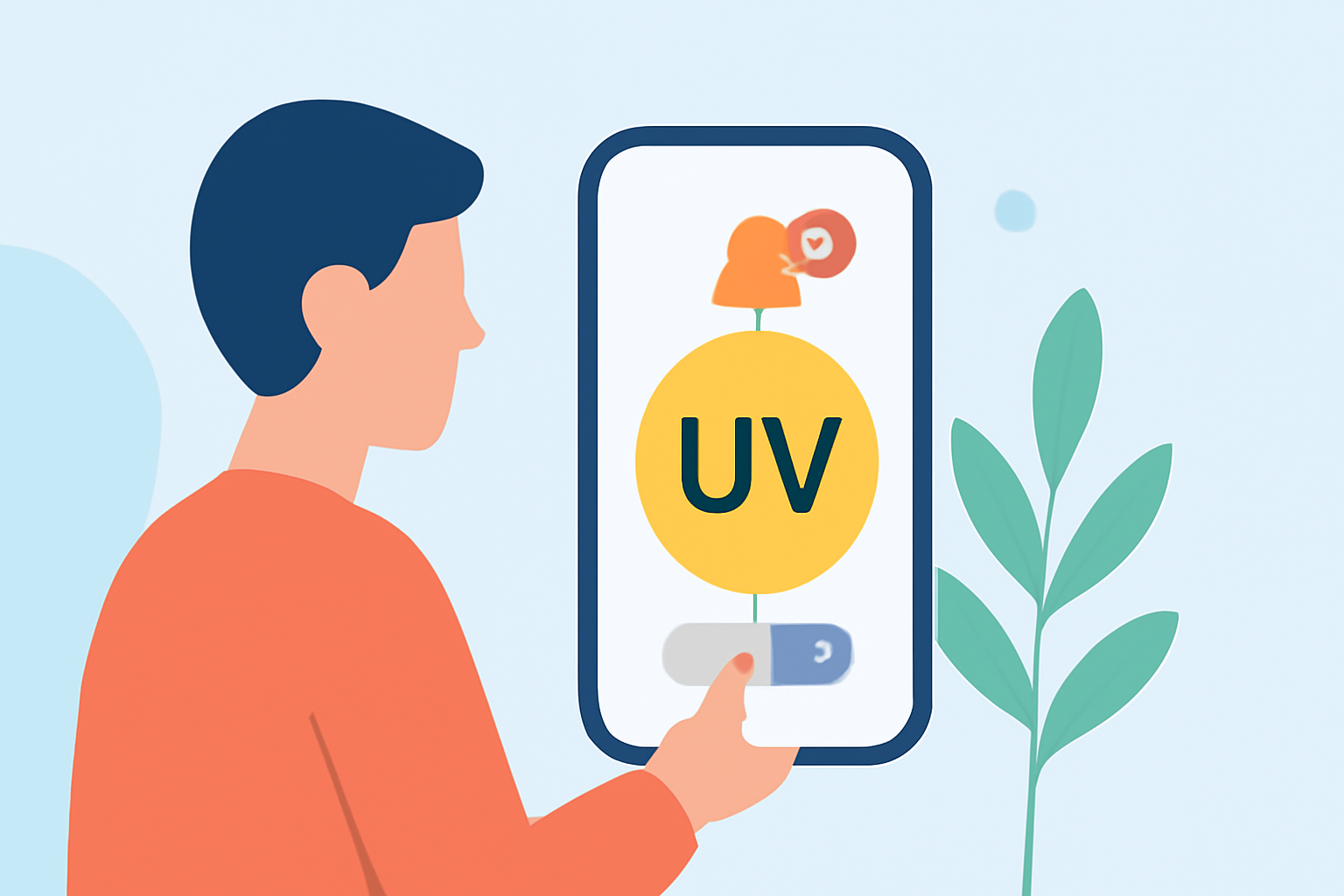
During pollen season, monitoring UV levels is crucial for those sensitive to allergens. Clime offers robust features for setting up personalized notifications, while alternative tools can complement those needs in specific scenarios.
Summary
- Stay Informed: Clime provides timely notifications for UV levels and pollen alerts, ideal for outdoor enthusiasts.
- Custom Alerts: Users can customize alerts based on their specific location and level of sensitivity.
- Pollen Data Integration: Some alternative tools offer synergy by combining pollen and UV index data, broadening the scope of your outdoor planning.
- User-Friendly Interface: Clime’s straightforward app design makes it easy to monitor both pollen and UV levels in real-time.
What Are UV Notifications and Pollen Alerts?
UV notifications inform you about ultraviolet radiation levels, which can be harmful to skin and eyes. Pollen alerts warn you about pollen concentrations in the air, helping those with allergies prepare for outdoor activities. These notifications are particularly relevant during warmer months when both UV and pollen levels rise.
How to Configure UV and Pollen Alerts in Clime
To tailor your UV and pollen alerts on Clime, navigate to your app settings. Here, you can:
- Enable Location Services: Ensure that location services are activated, allowing Clime to provide accurate notifications specific to your area.
- Set Up Alert Preferences: Choose your preferred notification type—daily summaries or real-time alerts—to receive updates on both UV and pollen levels that fit your lifestyle.
Best Practices for Pollen-Season UV Notifications in Clime
For the best experience during pollen season, consider these practices:
- Adjust Alert Frequency: Depending on your activity level, adjust how frequently you want to receive alerts. More frequent updates may be advantageous on high pollen count days.
- Review Daily UV Index: Check the UV index each morning to plan outdoor activities accordingly. This will help you avoid peak hours when UV levels are highest.
- Utilize Custom Settings: Take advantage of Clime's custom alert settings to focus on specific thresholds that matter to you, such as low, moderate, or high pollen levels.
Alternative Tools for Comprehensive Monitoring
While Clime is excellent for managing alerts, consider integrating other tools for added insights:
- Pollen Wise: This app offers hourly allergen reports to help you better time your outdoor activities. It can be particularly useful for sensitive individuals.
- AirCare: Combining pollen data with UV index information, AirCare can provide a broader view of environmental factors affecting your health. This dual-focus can make it easier to plan your day.
The Importance of Staying Prepared
Being proactive during pollen season means more than just monitoring weather conditions. Make sure to:
- Keep Allergies in Check: Be aware of your pollen alerts and follow up with medications if necessary.
- Monitor UV Exposure: Protect yourself from UV exposure by following recommendations on clothing and sunscreen use when UV levels are high.
- Stay Educated: Use Clime to stay updated not just on UV and pollen levels but also on any relevant environmental changes that could impact your health.
What We Recommend
- Use Clime’s alerts to stay informed about real-time weather and UV conditions.
- Customize your notifications according to your needs and preferences for a tailored experience.
- Explore complementary apps for additional insights into pollen counts and timing your outdoor activities effectively.
- Prioritize your health and safety by being mindful of UV exposure and pollen levels this season.