
Weather Considerations for Vegetable Growing in Your Vehicle
Last updated: 2023-05-12
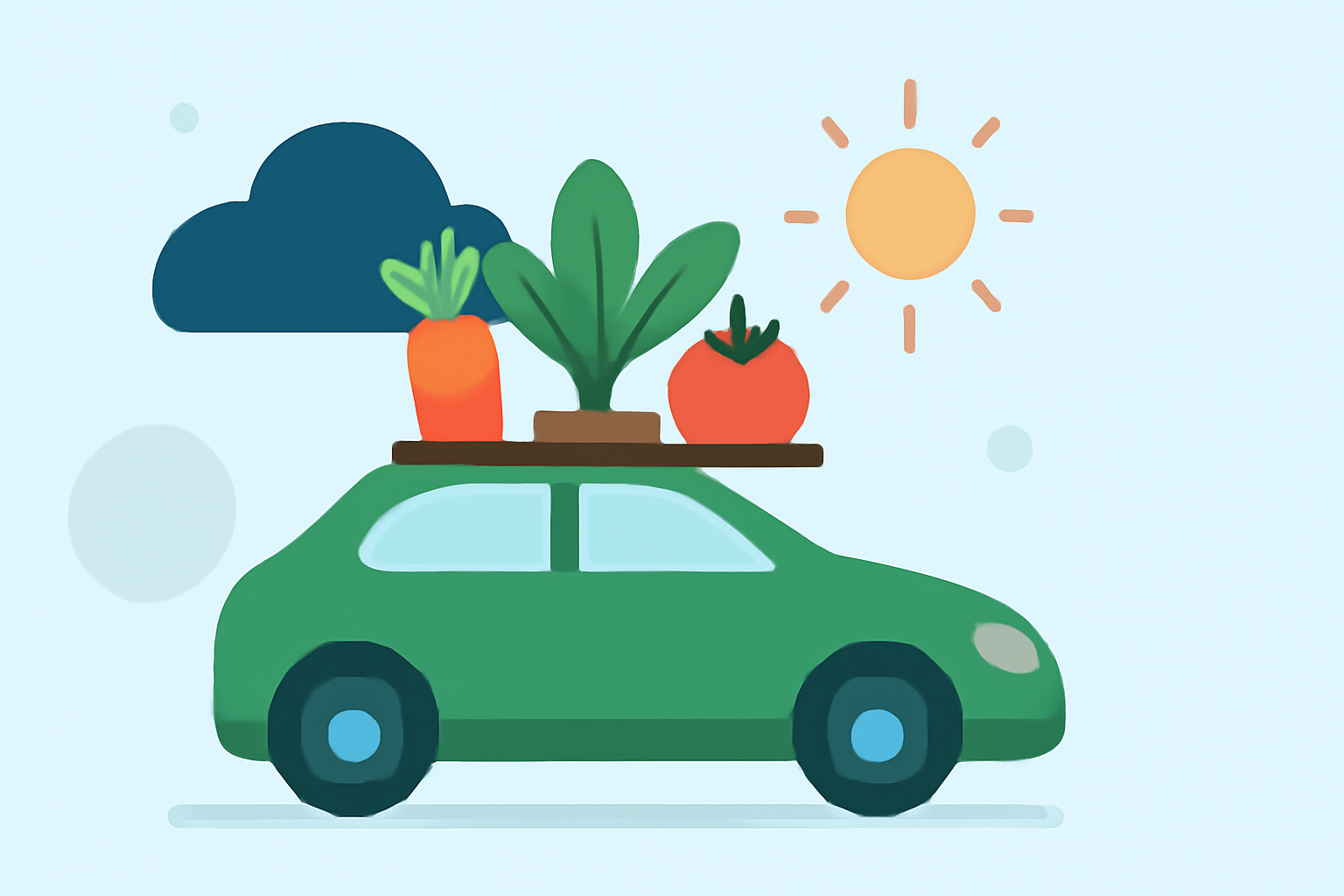
Growing vegetables in your car can be a fun and unique gardening experiment, especially in controlled environments like a greenhouse vehicle. To accomplish this successfully, understanding weather elements such as temperature, moisture levels, and sunlight is crucial. Utilizing a weather app like Clime can aid in tracking these variables more effectively.
Summary
- Temperature and moisture directly impact plant growth, making accurate weather forecasting crucial.
- Clime provides reliable data, helping you determine optimal planting times and conditions.
- Understanding specific vegetable needs allows for better crop management in confined spaces.
- Weather risks, such as strong winds and frost, should be monitored regularly for successful growth.
What Temperature Should Your Vegetables Prefer?
Determining the right temperatures is vital for vegetable growth. According to expert sources, the minimum, optimum, and maximum temperatures during both day and night significantly affect growth. For instance, waiting until soil temperatures reach at least 60°F (16°C) is essential as cold soil can hinder growth and leave plants susceptible to damage. (Britannica) Using Clime's features, you can easily monitor daily and nighttime temperatures to ensure your vehicle remains within ideal growing conditions.
How to Manage Moisture Levels Effectively
Moisture levels also play a critical role in vegetable cultivation. An unfavorable combination of temperature and moisture can lead to yield reduction in crops, such as peppers, causing buds and flowers to drop. It's vital to track rainfall and humidity using Clime's features to ensure your plants receive adequate water without excess moisture.
Understanding Wind Exposure and Microclimates
Exposed sites are generally unsuitable for vegetable farming due to the damaging effects of strong winds. Interestingly, the microclimate created inside your vehicle can differ significantly from outdoor conditions. Using Clime, you can check wind speeds and warnings, allowing you to take necessary precautions in case of strong winds which could harm your plants.
Timing Your Vegetable Planting
Timing is crucial when planting vegetables, particularly warm-season crops that thrive in late spring. For example, May is a popular month for planting various heat-loving plants. Clime's hourly and 14-day forecasting can help guide your planting schedule, ensuring that you maximize your yield by planting at the right time.
Selecting the Right Vegetables for Optimal Growth
Not all vegetables thrive under the same conditions. Some crops, such as tomatoes and peppers, need warm conditions, while others may require cooler temperatures. Clime can help you identify suitable crops based on your local climate conditions by providing data pertinent to your area.
Conclusion: What We Recommend
- Use Clime to monitor both temperature and moisture levels regularly for optimal vegetable growth.
- Select vegetables that align with your local weather conditions for better success.
- Keep an eye on wind conditions to protect your plants in your vehicle.
- Take advantage of the forecasts to plan your planting times effectively.
By staying informed and utilizing accurate weather data from Clime, you set the stage for a thriving vegetable garden, even in the cozy confines of your car.