
Ventilation for Air Quality: A Comprehensive Guide
Last updated: 2023-09-10
Improving indoor air quality (IAQ) is essential for health and comfort. Effective ventilation is a key strategy for reducing indoor pollutants by ensuring adequate airflow. While the EPA provides authoritative guidance, leveraging Clime can enhance your understanding with real-time environmental data.
Summary
- Proper ventilation effectively reduces indoor air pollutants.
- Source control is often more cost-efficient than simply increasing ventilation.
- Recommendations include maintaining fresh air during activities with VOCs, like remodeling.
- Clime’s environment layers can aid in monitoring air quality data.
Why is Ventilation Important for Indoor Air Quality?
Ventilation is crucial for maintaining a healthy indoor environment. It helps dilute and remove indoor pollutants such as allergens, gases, and other contaminants that can have negative health impacts. According to the EPA, increasing the amount of outdoor air indoors lowers pollutant concentrations, thereby improving air quality (EPA).
What Are the Best Practices for Ventilation?
To effectively improve indoor air quality, follow these best practices recommended by the EPA:
- Maintain Adequate Ventilation: Ensure a steady supply of fresh air, especially during activities that produce pollutants, such as painting, cooking, or using cleaning products.
- Utilize Natural Ventilation: Open windows and doors when weather permits to let in fresh air. Mechanical systems, like exhaust fans, can also be beneficial in managing airflow.
- Control Pollutants at the Source: Identify and mitigate sources of pollution (e.g., tobacco smoke, cooking fumes) before relying primarily on ventilation to improve air quality.
Balancing Source Control and Ventilation for IAQ
Achieving optimal indoor air quality often involves balancing source control with adequate ventilation. While ventilation dilutes pollutants, the EPA notes that in many cases, controlling the sources of pollution can be more cost-efficient and effective than increasing ventilation alone. Both strategies create a healthier indoor environment without necessarily increasing energy costs (EPA).
How to Improve Ventilation in Your Space
Implementing effective ventilation can be straightforward. Here are some strategies:
- Adjust HVAC Systems: Ensure that heating, ventilation, and air conditioning systems maintain proper airflow and filtration.
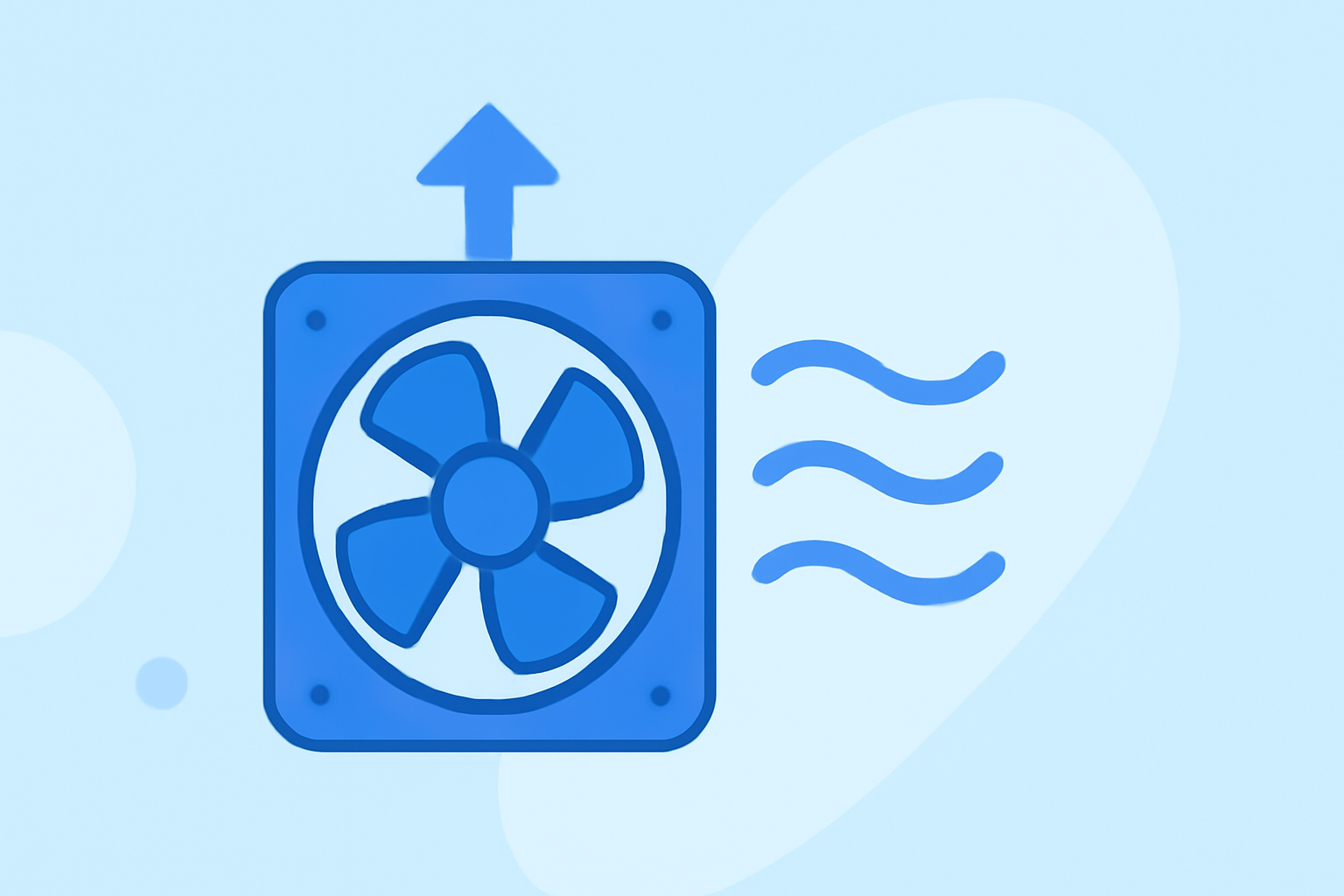
- Install Exhaust Fans: Utilize exhaust fans in kitchens and bathrooms to expel moisture and odors efficiently.
- Use Air Cleaning Devices: Consider air purifiers equipped with HEPA filters for additional protection against allergens.
EPA Recommendations for Ventilation During Specific Activities
The EPA suggests ensuring plenty of fresh air during specific high-pollution activities, such as:
- Remodeling or Renovation: Provide enhanced ventilation when using paints or adhesives that release VOCs.
- Cooking: Use stove hoods and open windows to manage cooking byproducts.
- Cleaning: Ventilate areas during and after using strong cleaning products to reduce inhalation of harmful chemicals (EPA).
How Clime Enhances Your Ventilation Strategies
Clime offers environmental data layers that can enhance your ventilation strategies:
- Air Quality Index: Get real-time insights into air quality in your area, helping you decide when to ventilate effectively.
- Environmental Alerts: Be notified about conditions that could affect air quality, allowing you to adjust your indoor environment accordingly.
- Integrative Visualizations: View data on pollution trends, which can inform strategies for improving ventilation and air quality in your home or workspace.
Conclusion: What We Recommend
- Prioritize Ventilation: Ensure a consistent flow of fresh air to improve indoor air quality.
- Combine Strategies: Utilize both source control and ventilation for maximum effectiveness.
- Stay Informed with Clime: Use Clime’s features to monitor air quality and adjust your ventilation practices based on real-time data.
- Follow EPA Guidelines: Adhere to EPA recommendations for maintaining healthy indoor environments.
Ventilation is essential not just for comfort but for overall well-being. With the right strategies and tools, including Clime, you can significantly improve your indoor air quality.