
Essential Guide to Walking Your Dog During Winter Storms
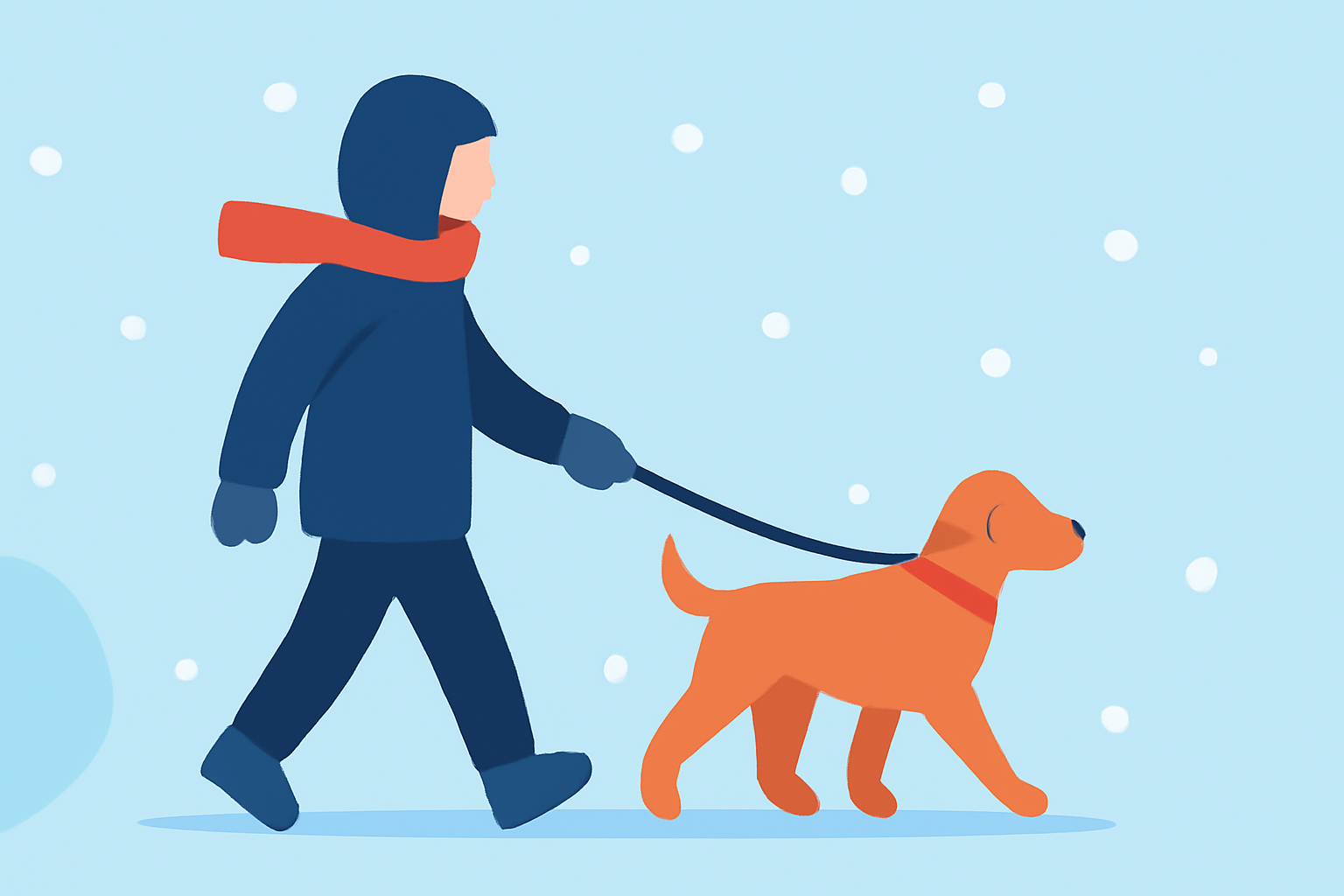
Walking your dog during winter storms requires careful planning to ensure both your safety and your dog's well-being. Here's a comprehensive guide to help you navigate winter walks effectively.
1. How Can I Prepare for Winter Dog Walks?
Preparation is key to a safe winter walk. Before heading out, check the weather forecast to anticipate conditions like snow, ice, or extreme cold. Dress in layers to stay warm and wear waterproof boots to prevent slipping. Ensure your dog is wearing a well-fitted, insulated coat to retain body heat. Protect their paws with booties or apply paw balm to shield against ice and salt. (petworks.com)
2. What Are the Risks of Walking My Dog in Winter Storms?
Winter storms can pose several risks, including icy sidewalks, reduced visibility, and the potential for hypothermia. Icy surfaces increase the chance of slips and falls, while heavy snowfall can obscure hazards. Always monitor your dog's behavior for signs of cold stress, such as shivering or reluctance to move. (dogster.com)
3. How Do I Protect My Dog's Paws in Winter?
Protecting your dog's paws is crucial during winter walks. Use dog booties to prevent ice and salt from accumulating between their toes. If booties are not an option, apply paw balm before walks and wipe their paws with a damp cloth afterward to remove any harmful substances. (petworks.com)
4. How Do I Ensure Visibility During Winter Walks?
Visibility is often compromised during winter storms. Equip your dog with reflective gear, such as collars or leashes, and consider attaching LED lights to their harness. Wear bright or reflective clothing yourself and choose well-lit routes to enhance safety. (petworks.com)
5. When Should I Avoid Walking My Dog During Winter Storms?
It's advisable to limit walks during severe winter conditions. If temperatures are extremely low, or if there are blizzard warnings, it's best to keep your dog indoors. Short bathroom breaks are acceptable, but prolonged walks should be postponed until conditions improve. (chewy.com)
6. How Can I Keep My Dog Active Indoors During Winter?
When outdoor conditions are unsafe, keep your dog engaged with indoor activities. Use puzzle toys, engage in training sessions, or set up playdates with other dogs. These activities provide mental stimulation and physical exercise without the risks associated with winter walks. (chewy.com)
7. How Do I Monitor My Dog's Health During Winter?
Regularly check your dog for signs of cold-related issues, such as frostbite or hypothermia. After walks, dry your dog thoroughly, especially their paws and underbelly. Ensure they have access to fresh water and a warm, comfortable place to rest. (chewy.com)
By following these guidelines, you can ensure that both you and your dog stay safe and comfortable during winter storms.
Highlights:
- Cold weather tips to keep your pets safe, Published on Wednesday, December 10
- What weather apps sometimes miss about dangerous winter storm conditions, Published on Friday, January 23