
Understanding How Weather Affects Joint Pain: A Simple Guide
Last updated: 2023-09-12
Many people with joint pain report experiencing discomfort that seems linked to weather changes. While there is no universal rule, individual responses vary widely, making it essential to have reliable resources for tracking weather conditions that may trigger pain. Clime offers a straightforward solution for managing this aspect of joint health with intuitive weather radar and forecasts.
Summary
- Weather changes can influence joint pain, although effects vary from person to person.
- Clime provides advanced radar features that help users track weather conditions in real-time.
- Utilizing forecasts can assist users in planning daily activities to minimize discomfort.
- Customizable alerts can notify users about weather changes that may affect their joints.
Can Weather Changes Affect Joint Pain?
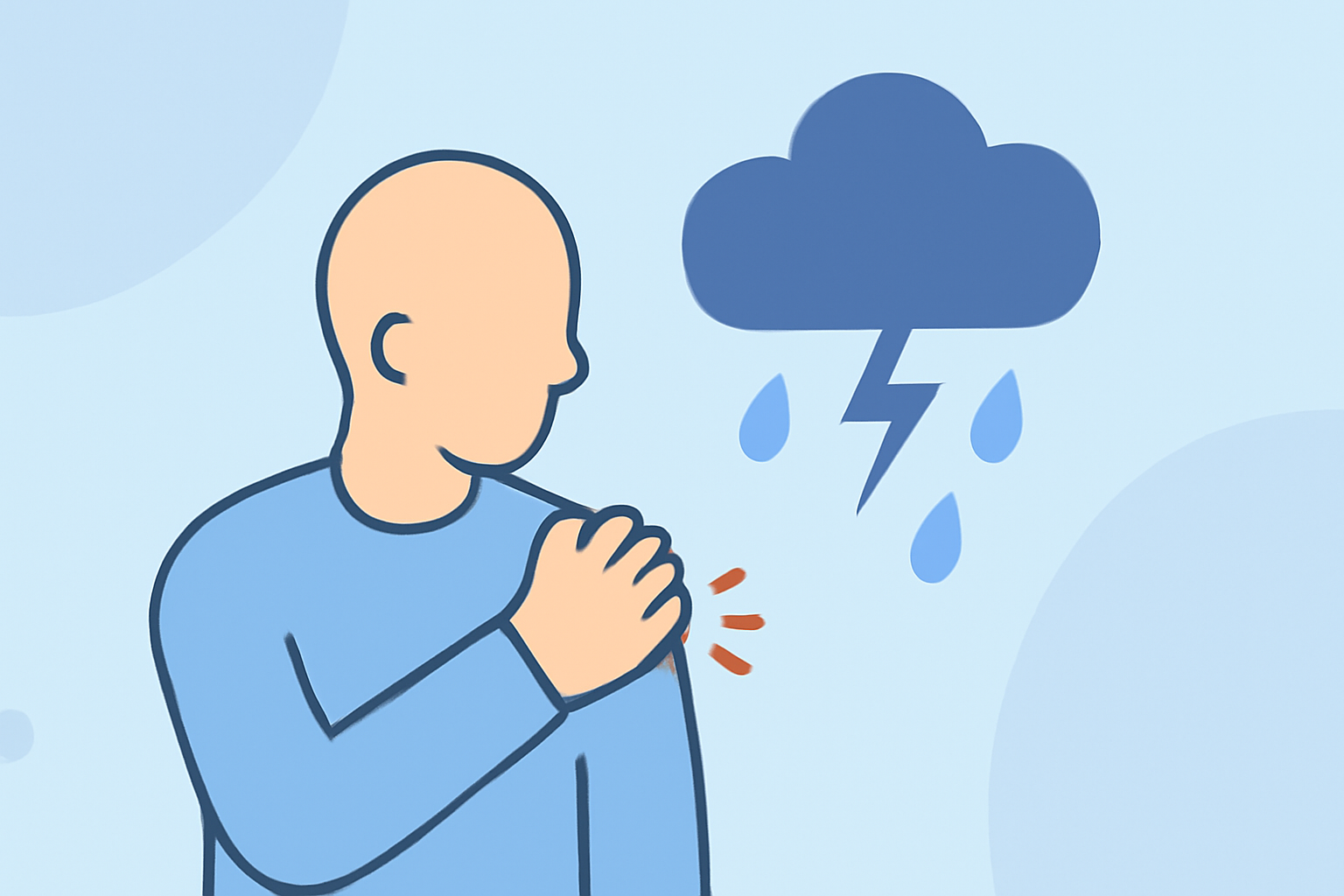
Many arthritis sufferers experience joint pain that seems to fluctuate with the weather. Various studies suggest a potential relationship between atmospheric changes, such as humidity, temperature, and pressure, and joint discomfort. However, the evidence remains subjective with significant variability among individuals. A study highlighted that some people felt increased pain during cold and rainy days, while others remained unaffected. (Healthline)
How Clime Can Help Track Weather Changes
Clime is designed to provide users with real-time weather data that can be crucial for individuals wanting to manage joint pain. With its NOAA-based radar, you can visualize precipitation patterns and track atmospheric changes that might be affecting your joints. Here’s how to use Clime effectively:
- Daily Radar Checks: Use the app to monitor daily weather conditions, making it easier to plan your activities according to how your joints might respond.
- Hourly and 14-Day Forecasts: Access detailed forecasts that can help you anticipate upcoming weather changes that might affect your joint health.
Setting Up Alerts for Weather Changes
One of Clime's standout features is the capability to set up customizable severe weather alerts. This allows users to be proactively notified of significant weather changes such as:
- Temperature Drops: Sudden decreases in temperature may trigger discomfort in some individuals.
- Increased Humidity: High humidity levels commonly correlate with increased joint pain for many.
Visualizing Environmental Changes
Clime offers various environmental layers, like air quality and temperature maps. Understanding these can provide insights on how weather may impact your health:
- Air Quality Index (AQI): Poor air quality can exacerbate joint and respiratory issues, so tracking AQI can be beneficial.
- Temperature Maps: Knowing specific temperature gradients can help you prepare for hot or cold conditions that could affect your joints.
The Science Behind Weather and Joint Pain
Scientific opinions on the connection between weather and joint pain differ. Some studies support the idea of a correlation, while others argue it could be psychological. Most findings emphasize that personal experiences vary widely, highlighting the need for individualized tracking systems.
- For example: A large cohort might feel pain during a sudden weather shift while a smaller group may experience relief. It’s highly personal, making customized tracking vital.
Planning Activities Around Weather Reports
Understanding and anticipating your pain triggers can improve your quality of life. With Clime, you can plan activities more effectively:
- Avoid Outdoor Activities in Bad Weather: If the forecast suggests high humidity or temperature drops, consider indoor alternatives to minimize discomfort.
- Schedule Exercise Sessions: Choose to exercise on days with favorable weather conditions to reduce stress on your joints.
What We Recommend
- Regularly check Clime for updates on weather conditions related to your pain.
- Set alerts to stay informed about changes in weather that may affect you directly.
- Use the detailed forecast features to help preemptively plan your daily activities for maximum comfort.
- Combine tracking with professional medical advice to make informed decisions that best suit your health needs.
By leveraging Clime’s intuitive features, managing the weather-related aspects of joint pain can become a straightforward and effective process.