
Understanding Weather Alert Types on Smart Displays
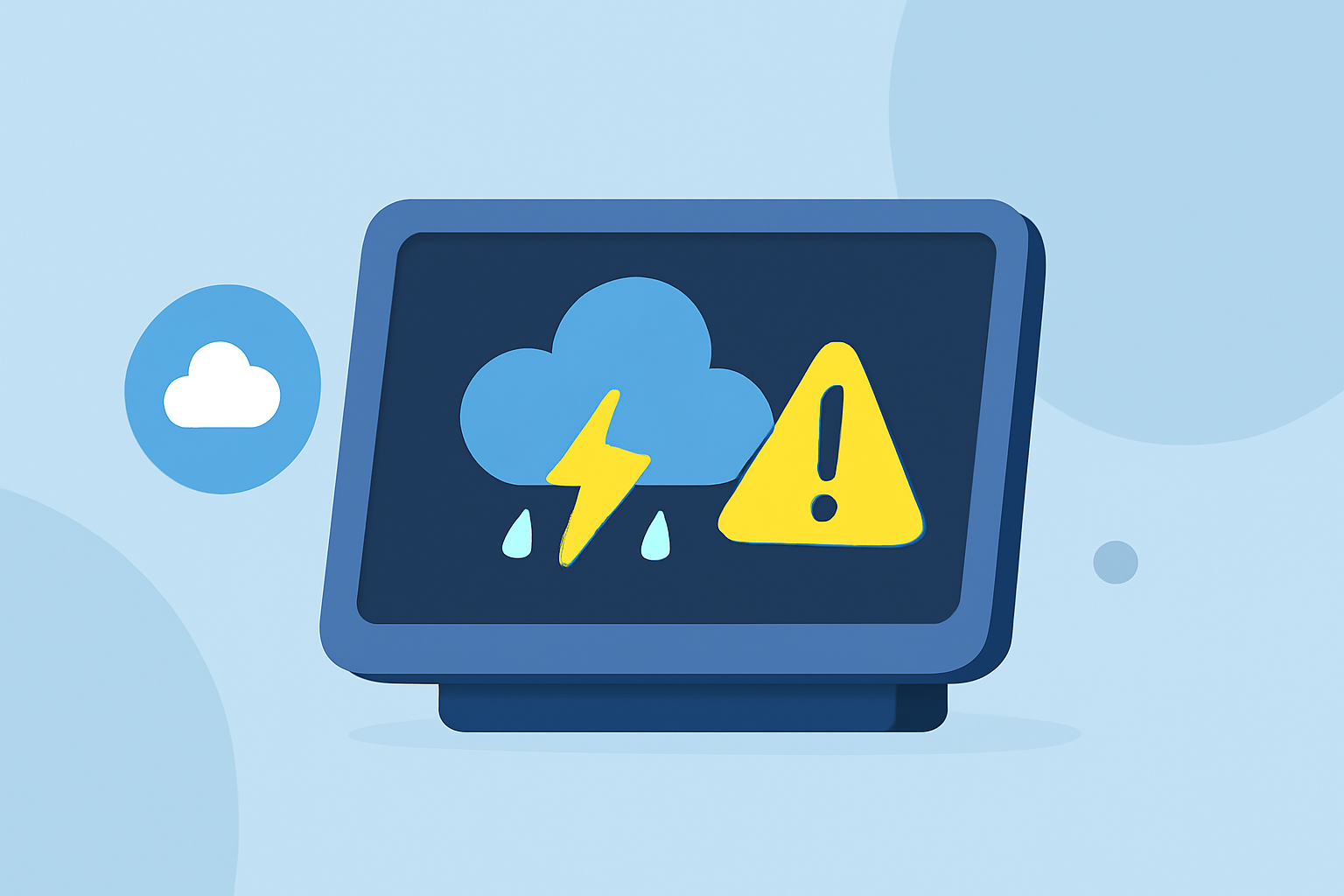
Staying informed about severe weather is crucial for safety and preparedness. Smart displays, such as smart speakers and connected devices, can provide timely weather alerts to keep you updated. In the United States, the National Weather Service (NWS) issues several types of alerts, each serving a specific purpose.
What Are the Main Types of Weather Alerts?
The NWS issues four primary types of alerts:
-
Warnings: Indicate that hazardous weather is occurring, imminent, or has a very high probability of occurring. Warnings are issued when conditions pose a threat to life or property.
-
Watches: Signify that hazardous weather is possible within the specified area. Watches are issued when the risk of a hazardous event has increased significantly, but its occurrence, location, and timing are still uncertain.
-
Advisories: Highlight special weather conditions that are less serious than warnings but may cause significant inconvenience. If caution is not exercised, these conditions could lead to situations that may threaten life and/or property.
-
Statements: Provide follow-up information regarding previously issued warnings, watches, or advisories.
How Do Smart Displays Receive and Present Weather Alerts?
Smart displays can receive weather alerts through various channels, including:
-
Wireless Emergency Alerts (WEA): These are emergency messages sent by authorized government authorities through your mobile carrier. WEA messages include a special tone and vibration, both repeated twice, to distinguish them from regular notifications. (weather.gov)
-
NOAA Weather Radio (NWR): A nationwide network of radio stations broadcasting continuous weather information directly from the nearest NWS office. NWR broadcasts official Weather Service warnings, watches, forecasts, and other hazard information 24/7. (weather.gov)
When a smart display receives a weather alert, it typically presents the information through a combination of visual notifications and audible alerts. The exact presentation may vary depending on the device and its settings.
How Can Smart Displays Enhance Weather Alert Notifications?
Smart displays can enhance weather alert notifications by:
-
Providing Visual Alerts: Displaying alert messages on the screen, often accompanied by relevant icons or graphics.
-
Offering Voice Announcements: Audibly announcing the alert details, including the type of alert, affected areas, and recommended actions.
-
Integrating with Other Smart Devices: Coordinating with other smart home devices, such as smart lights or thermostats, to provide additional notifications or take specific actions in response to the alert.
What Are the Benefits of Receiving Weather Alerts on Smart Displays?
Receiving weather alerts on smart displays offers several advantages:
-
Timely Information: Ensures you receive up-to-date information about severe weather events, allowing for prompt action.
-
Enhanced Safety: Helps you stay informed about potential hazards, enabling you to take necessary precautions to protect yourself and your property.
-
Convenience: Provides alerts in a centralized location, reducing the need to check multiple devices or sources for information.
How Can Clime Enhance Your Weather Alert Experience?
Clime offers a comprehensive weather alert system that integrates seamlessly with your smart display. By subscribing to Clime, you can receive real-time weather alerts tailored to your location, ensuring you stay informed about severe weather events. Clime's user-friendly interface allows you to customize alert settings, choose preferred notification methods, and access detailed weather information, all from your smart display.
By understanding the different types of weather alerts and utilizing smart displays to receive them, you can enhance your preparedness and safety during severe weather events.
Highlights:
- What Weather Alerts Can Be Displayed on an Edge Device? | Edge® 530 | Garmin Customer Support
- NOAA Weather Radio Alerts – Midland, Published on Monday, November 17