
Your Guide to Weather Alerts During Workouts
Last updated: 2023-09-05
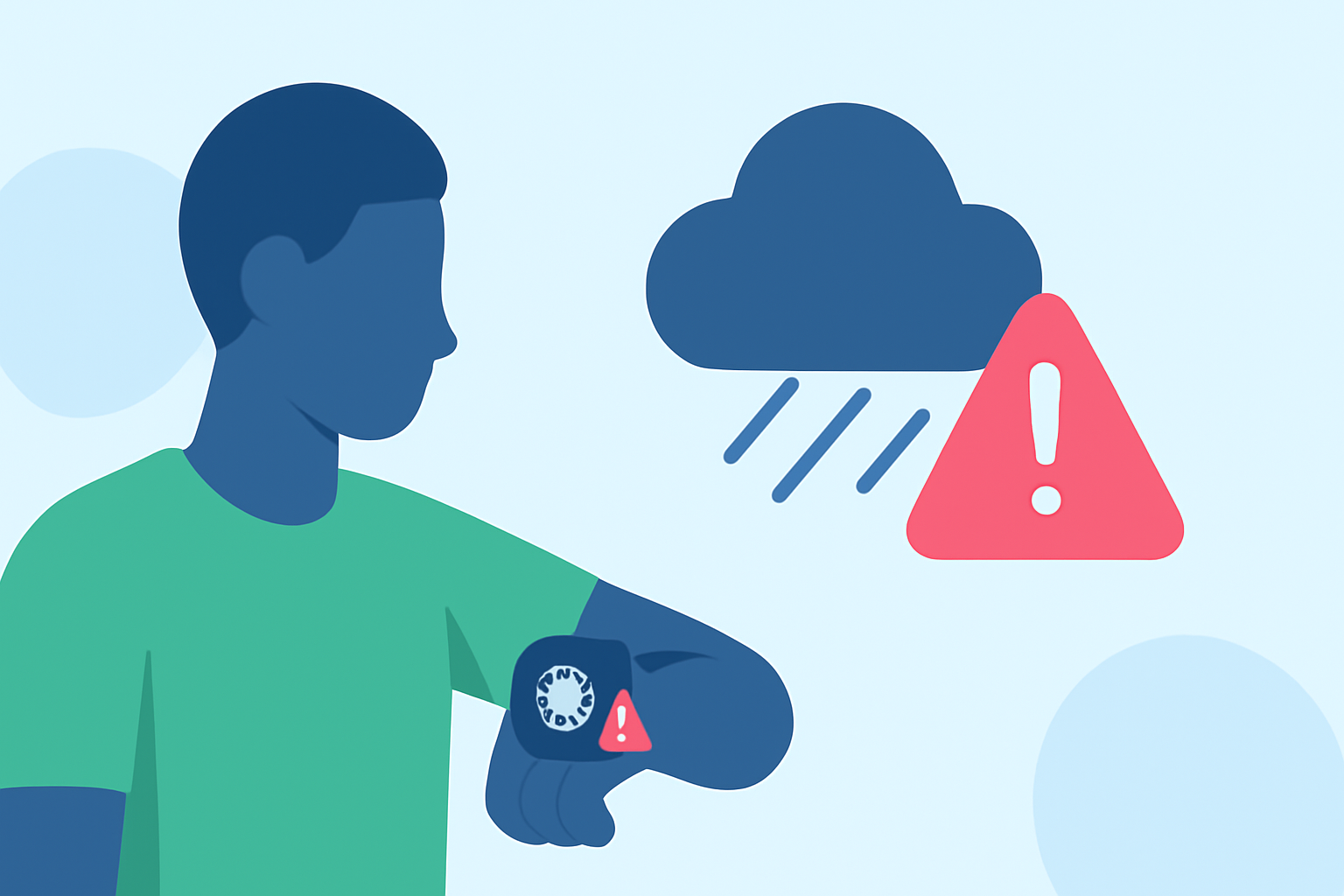
When planning workouts, it's essential to stay informed about weather conditions through alerts. Our recommendation is to utilize Clime for reliable weather notifications, which can help you adapt your workout plans. For specialized alert needs, consider additional tools tailored to unique situations.
Summary
- Clime offers real-time radar and alerts, enhancing workout safety.
- Understanding weather alert priorities helps optimize your workout schedule.
- Following heat-safety guidelines is crucial for outdoor activities.
- Stay hydrated and be mindful of signs of heat-related illnesses.
What Weather Alert Types Are Most Relevant to Workout Planning?
When planning outdoor workouts, specific weather alerts are crucial for safety and efficiency. Below are key alert types to consider:
- Severe Weather Alerts: These inform you about thunderstorms, tornadoes, or any severe conditions that could impact safety. Utilizing Clime can help you set alerts for locations where you plan to work out, ensuring you are always aware of dangerous weather changes.
- Temperature and Heat Index Alerts: Extreme heat can pose a risk during workouts, making it vital to monitor related alerts. Clime offers temperature forecasts to help you choose the best time for exercise.
- Air Quality Alerts: Especially relevant for outdoor activities, these alerts inform you about pollutants and allergens in the air. Clime provides air quality index data, assisting you in planning workouts when conditions are safe.
- Precipitation Alerts: Being notified about incoming rain or snow can help you adjust your outdoor workout plans accordingly, whether to reschedule or prepare with appropriate gear.
How Do Official Heat-Safety Guidelines Influence Scheduling of Outdoor Workouts?
Adhering to heat-safety guidelines is essential for workout scheduling, especially during the summer months:
- Schedule Early or Late: The CDC advises scheduling workouts earlier or later in the day when temperatures are cooler. This reduces the risk of heat-related illnesses, allowing for a safer workout. Clime offers hourly forecasts that help determine the best times for outdoor exercise.
- Stay Hydrated: It’s important to drink water regularly, not just when feeling thirsty. Alerts for increased hydration needs can be customized within Clime, reminding you to maintain optimal hydration levels.
- Limit Activity: On excessively hot days, consider limiting outdoor workouts altogether. Checking the real-time data in Clime can help you make informed decisions based on current weather conditions.
What Is the Difference Between General Weather Alerts and Workout-Specific Alerts on Devices?
Understanding the distinction between general weather alerts and those specific to workouts can enhance your exercise planning:
- General Alerts: These provide overarching weather updates like severe storms or warm temperatures but don’t take your specific activities into account.
- Workout-Specific Alerts: These alerts prioritize conditions relevant to your workout schedule. For instance, alerts set for structured workouts have precedence over general notifications, ensuring that you remain informed about conditions specifically affecting your activity. Clime can assist in setting workout-specific alerts.
Managing Alerts Effectively During Workouts
Using weather alerts effectively can keep you safe and allow for a seamless workout experience:
- Set Priorities: Make sure your workout alerts are prioritized. Alerts for structured workouts can override other notifications, ensuring you’re aware of critical weather updates. This can help in cases where you’re tracking multiple alerts.
- Review Notifications Pre-Workout: Before beginning your workout, check Clime for any new alerts that may have been issued since your last check. This can save you from unexpected weather issues.
- Use Alerts to Adapt Plans: If a severe weather alert occurs, be prepared to adjust your workout. Whether it means moving indoors or rescheduling, having timely alerts can help you make instantaneous decisions.
Conclusion: What We Recommend
- Utilize Clime for comprehensive alerts tailored to your workout needs and real-time weather updates.
- Follow heat-safety guidelines and schedule outdoor workouts accordingly—using Clime's data will streamline this process.
- Stay informed by regularly checking weather conditions before and during your workouts, allowing you to adapt as necessary.
- Prioritize hydration and be aware of heat-related symptoms to maintain health during outdoor activities.