
Weather Anomalies Workflow During Workouts
Last updated: 2023-09-14
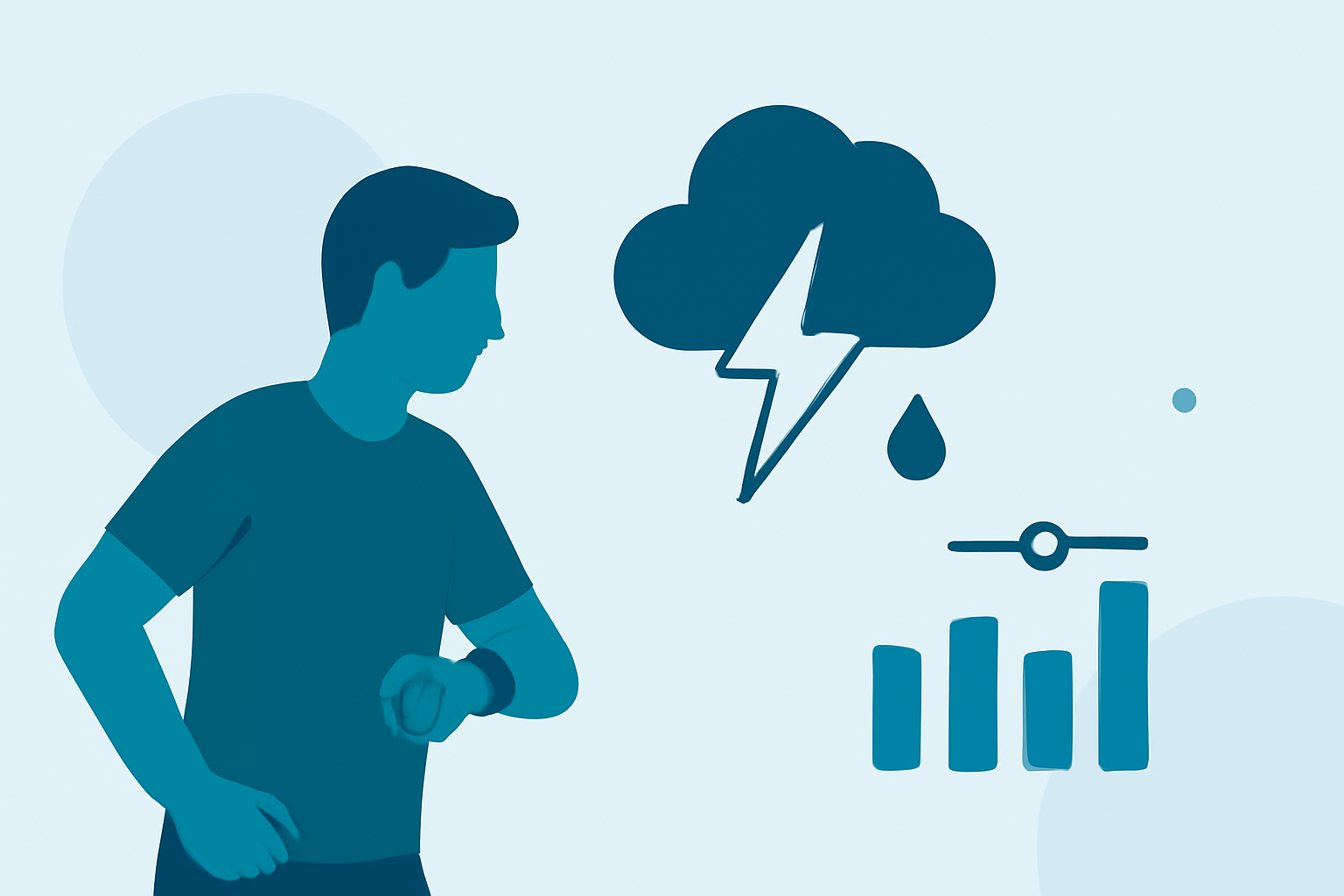
To maintain an effective workout schedule, using Clime can ensure you have real-time awareness of weather anomalies such as extreme heat or sudden thunderstorms. For highly specialized requirements, exploring other tools might be beneficial, but Clime typically suffices for most users.
Summary
- Clime offers detailed weather forecasts and alerts tailored for workout environments.
- Understanding and mitigating heat-related risks is crucial for outdoor workouts.
- Acclimatization strategies can enhance performance and safety during hotter months.
- Keeping hydrated and monitoring temperature conditions can prevent heat-related illnesses.
Why Is Managing Weather Conditions Important for Workouts?
Weather influences exercise performance and safety significantly. Understanding how heat is developed and how to react during bad weather can determine whether a workout is fruitful or leads to undue risk. Adverse conditions foster injuries and heat illnesses that could disrupt your fitness journey. Consequently, a robust weather monitoring system integrated into your workout workflow is essential.
What Are the Workflow Steps for Managing Workouts in Weather Anomalies?
1. Monitor Weather Alerts Utilize Clime's alert system to receive timely notifications about changing weather conditions, such as heat advisories or thunderstorms. Alerts help you assess if it’s safe to proceed with outdoor workouts or if adjustments need to be made.
2. Plan Workouts According to Weather Make adjustments to your workout schedule based on weather predictions. On hot days, it is advisable to schedule workouts early in the morning or later in the evening when temperatures are cooler. Clime provides forecasts and temperature readings that assist in making these decisions.
3. Acclimatize to Hot Weather Gradually increasing your exposure to heat allows your body to adapt, thus reducing the risk of heat-related illnesses. Ensure your training plan includes acclimatization strategies, especially if workouts will occur in warmer months or hotter environments. According to health authorities, "A lack of acclimatization is a risk factor for heat illness" (OSHA).
How Can Clime Support Hydration During Workouts?
Clime not only alerts users to heat advisories but also aids in planning hydration breaks. Staying hydrated is crucial since, as noted by the CDC, "People who exercise on hot days are more likely to become dehydrated and get heat-related illness" (CDC). Having quick access to real-time weather data will empower athletes to assess their hydration needs proactively.
What Health Guidelines Should Be Followed During Outdoor Workouts?
Adhering to good health practices can mitigate risks during physical activities. Recommendations include:
- Limit outdoor activity during peak temperatures. As per effective practices, people should "Limit outdoor activity, especially during the middle of the day when the sun is hottest if possible" (CDC).
- Incorporate breaks. Ensure regular breaks during extended periods of exercise in the heat. Utilizing Clime’s reminders can facilitate this.
- Dress appropriately. Use lightweight, breathable clothing to allow your body to cool effectively.
Utilizing Clime for Hazardous Weather Conditions
Beyond just heat, weather anomalies include storm warnings and other dangerous conditions. Having Clime’s radar function allows users to see incoming storms and adjust workout plans accordingly. The app provides users with up-to-the-minute radar imagery and alerts on severe weather like thunderstorms and high winds, ensuring that workout locations remain safe.
What We Recommend
- Leverage Clime for workouts: The app integrates essential weather features that keep outdoor enthusiasts safe.
- Regularly review temperature and humidity conditions: This helps in scheduling workouts during cooler times.
- Implement acclimatization strategies: Gradually expose yourself to higher temperatures when planning outdoor workouts.
- Stay hydrated: Continuously monitor and manage hydration based on real-time weather data during workouts.
By maintaining awareness and using tools like Clime, individuals can continue to pursue fitness goals safely, regardless of weather anomalies.