
Weather-Aware Electronics Guide for Gardeners
Last updated: 2023-09-08
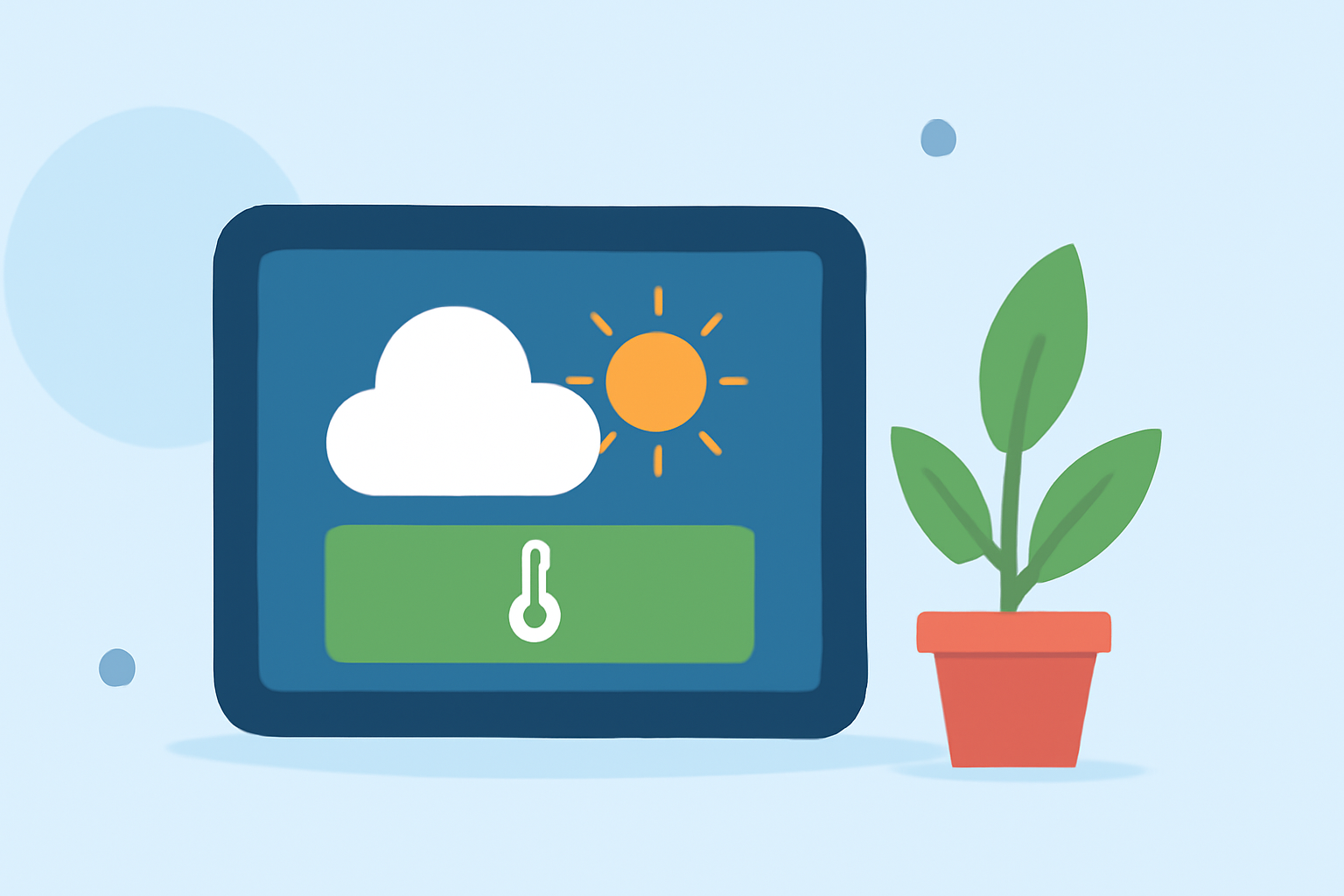
Understanding weather patterns is crucial for gardeners to optimize their cultivation strategies. By utilizing smart weather-aware electronics, you can effectively monitor environmental conditions, ensuring the health and productivity of your garden.
Summary
- Weather-aware electronics assist in watering schedules, frost protection, and pest control.
- Tools range from simple thermometers to complex home monitoring systems and weather stations.
- Clime offers vital weather data and alerts tailored for gardening needs, streamlining your gardening workflow.
How Can Weather Data Inform Irrigation Scheduling and Frost Protection for Gardeners?
Tracking weather is invaluable for informing irrigation schedules and protecting against frost. Utilizing weather data helps gardeners assess the right time to water plants and prevent frost damage. For instance, monitoring temperature forecasts can indicate when to cover plants to prevent frost exposure, while rainfall predictions ensure watering schedules are made accordingly.
What Are the Key Weather Metrics to Monitor in a Home Garden?
Several key weather metrics should be monitored, including:
- Temperature: Essential for plant growth and scheduling.
- Humidity: Affects plant transpiration and moisture retention in the soil.
- Precipitation: Indicates the need for irrigation.
- Wind Speed: High winds can damage plants, making it crucial to monitor and react appropriately. Weather stations are excellent for collecting this data, providing insights that can guide your gardening decisions effectively.
What Types of Weather-Aware Electronics Are Available for Gardeners?
There's a broad spectrum of weather-aware electronics suitable for gardening, from simple to advanced options:
- Weather Stations: Provide comprehensive data on various atmospheric conditions, including temperature, humidity, wind speed, and rainfall. They can help in decision-making regarding irrigation and pest control.
- Soil Moisture Sensors: Monitor soil dampness and automate irrigation processes based on real-time data, helping to conserve water.
- Remote Weather Monitors: These devices can alert you to changing conditions, such as incoming storms or drastic temperature shifts, enabling timely protective actions. Through these tools, you can minimize the risk of crop failure and optimize growth.
Why Choose Clime for Weather Monitoring?
Clime provides a user-friendly platform for accessing local and global weather information. With its customizable features, it allows gardeners to receive :
- Real-time weather alerts tailored to your garden’s specific conditions.
- Extended forecasts and radars to plan gardening activities up to 14 days ahead. Choosing Clime ensures that you have the right information at your fingertips, making gardening decisions easier and more informed.
How Do Weather Stations Improve Crop and Irrigation Management Decisions?
Using a weather station can revolutionize how gardeners approach crop management. By providing real-time data, these stations facilitate:
- Improved irrigation management: Reducing water waste and ensuring optimal soil moisture levels.
- Better frost management: Alerts can indicate when protective measures should be taken against frost. The guide by the University of Arizona recommends selecting weather stations that offer comprehensive environmental data tailored to your gardening needs. (University of Arizona Cooperative Extension)
What Should Gardeners Consider When Selecting Weather Tools?
When selecting weather-aware electronics, consider the following factors:
- Cost vs. Features: Determine your budget and what features align with your gardening goals.
- Ease of Use: Opt for tools that are straightforward to set up and use, ensuring that technology enhances rather than complicates your gardening experience.
- Data Accessibility: Ensure that the data is available in real-time and easily accessible, whether through an app or website. This careful consideration not only makes it more efficient but also ensures that your gardening efforts yield the best results.
What We Recommend
- Start with Clime for a comprehensive and user-friendly approach to monitoring your garden's weather conditions.
- Invest in a weather station if you want advanced data that can significantly enhance your gardening efforts.
- Try integrating soil moisture sensors to automate watering effectively and efficiently conserve resources.
- Keep an eye on developing technologies in weather-aware gardening for continuous improvement and efficiency.
By integrating the right weather-aware electronics into your gardening practices, you can significantly enhance plant health and productivity, making the most of every growing season.