
Essential Weather-Based Dog Walking Checklist
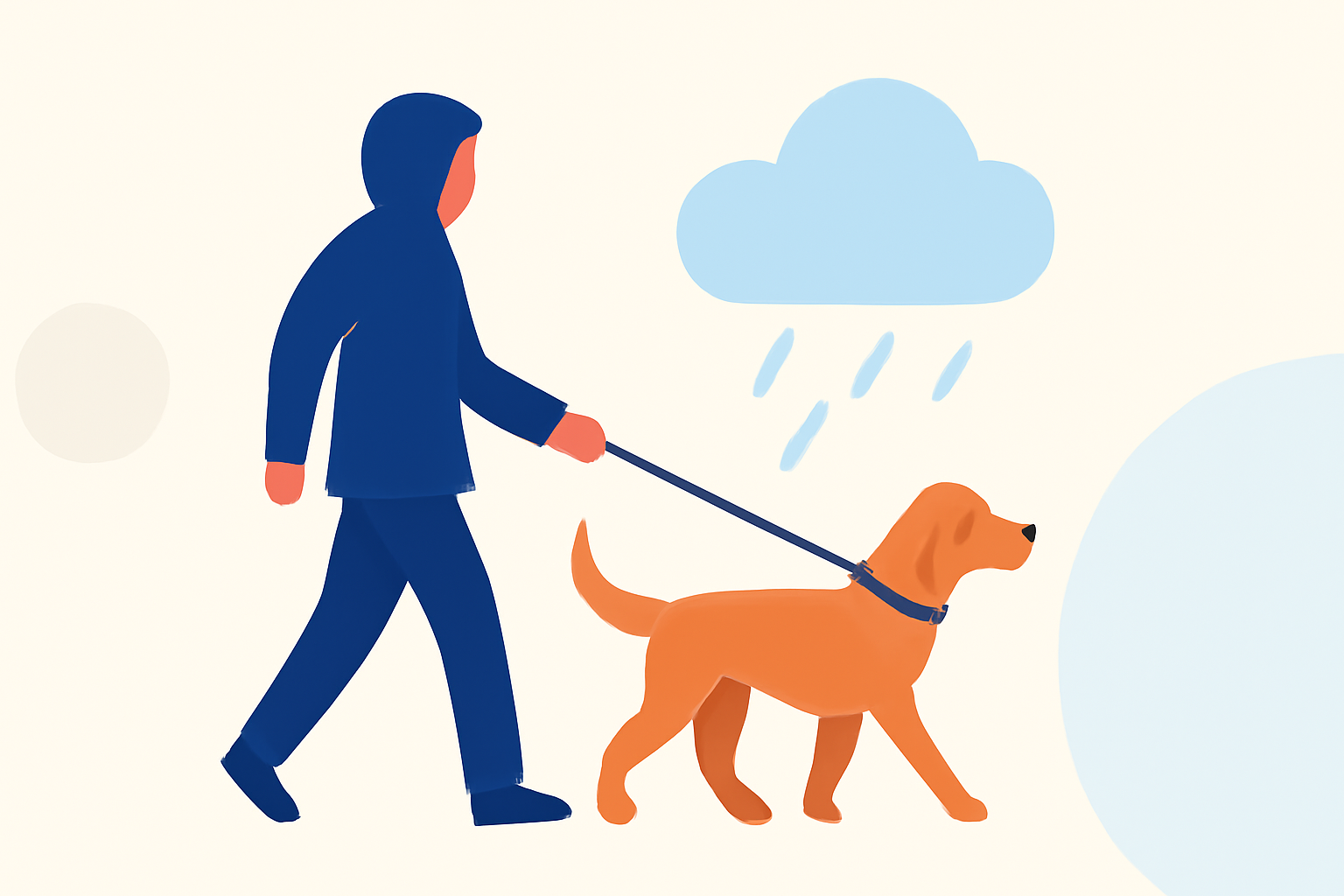
Walking your dog is a vital part of their daily routine, but weather conditions can significantly impact the safety and enjoyment of these outings. Understanding how to adjust your walking habits based on the weather is crucial for your dog's well-being.
How Does Weather Affect Dog Walks?
Weather conditions such as temperature, humidity, precipitation, and wind can influence your dog's comfort and health during walks. Extreme temperatures, high humidity, or inclement weather can pose risks like heatstroke, hypothermia, or paw injuries.
What Are the Ideal Temperatures for Dog Walks?
The optimal temperature range for walking dogs is between 50°F and 68°F (10°C to 20°C). Within this range, most dogs can enjoy comfortable and extended walks without the risk of overheating or getting too cold. Temperatures above 77°F (25°C) can be considered hot, and walks should be shorter, especially for small or short-haired breeds. Temperatures below 32°F (0°C) are considered cold, and walks should be brief, with extra precautions for small or short-haired breeds. (walksbuddy.com)
How Can I Prepare for Different Weather Conditions?
Hot Weather:
-
Walk During Cooler Times: Opt for early morning or late evening walks when temperatures are lower.
-
Stay Hydrated: Always carry water for both you and your dog.
-
Protect Paws: Avoid walking on hot pavement, which can burn your dog's paws. Test the ground temperature by placing your hand on it for seven seconds; if it's too hot for you, it's too hot for your dog. (petcarelab.co)
-
Watch for Heatstroke Signs: Excessive panting, drooling, vomiting, or disorientation are signs of heatstroke.
Cold Weather:
-
Limit Walk Duration: Keep walks short to prevent hypothermia.
-
Dress Appropriately: Use insulated coats for small or short-haired breeds.
-
Protect Paws: Use paw balm or booties to shield against ice, salt, and cold surfaces. (dogartists.co.uk)
-
Avoid Salted Areas: Salt can irritate paws; rinse your dog's paws after walks.
Rainy or Snowy Conditions:
-
Use Waterproof Gear: Invest in a waterproof dog coat and boots.
-
Dry Thoroughly: Wipe your dog down after walks to prevent skin issues.
-
Be Visible: Use reflective gear to ensure safety in low visibility.
How Can I Monitor Weather Conditions?
Utilize weather apps or websites to check current conditions and forecasts. Some platforms offer real-time weather updates and safety recommendations tailored for dog walking. (pawweather.com)
What Are the Signs That It's Too Hot or Cold for a Walk?
-
Hot Weather: If the temperature exceeds 77°F (25°C), consider shortening the walk or opting for indoor activities.
-
Cold Weather: If the temperature drops below 32°F (0°C), limit walks to brief potty breaks.
How Can I Ensure My Dog's Safety During Walks?
-
Use Proper Equipment: Ensure your dog wears a well-fitting collar or harness and a sturdy leash.
-
Stay Alert: Be aware of your surroundings to avoid hazards like traffic or aggressive animals.
-
Regular Check-ups: Inspect your dog's paws for injuries or irritations after each walk.
By tailoring your walking routine to the weather conditions and being attentive to your dog's needs, you can ensure enjoyable and safe walks year-round.