
Optimizing Vegetable Growth: A Non-Technical Guide to Weather-Based Planning
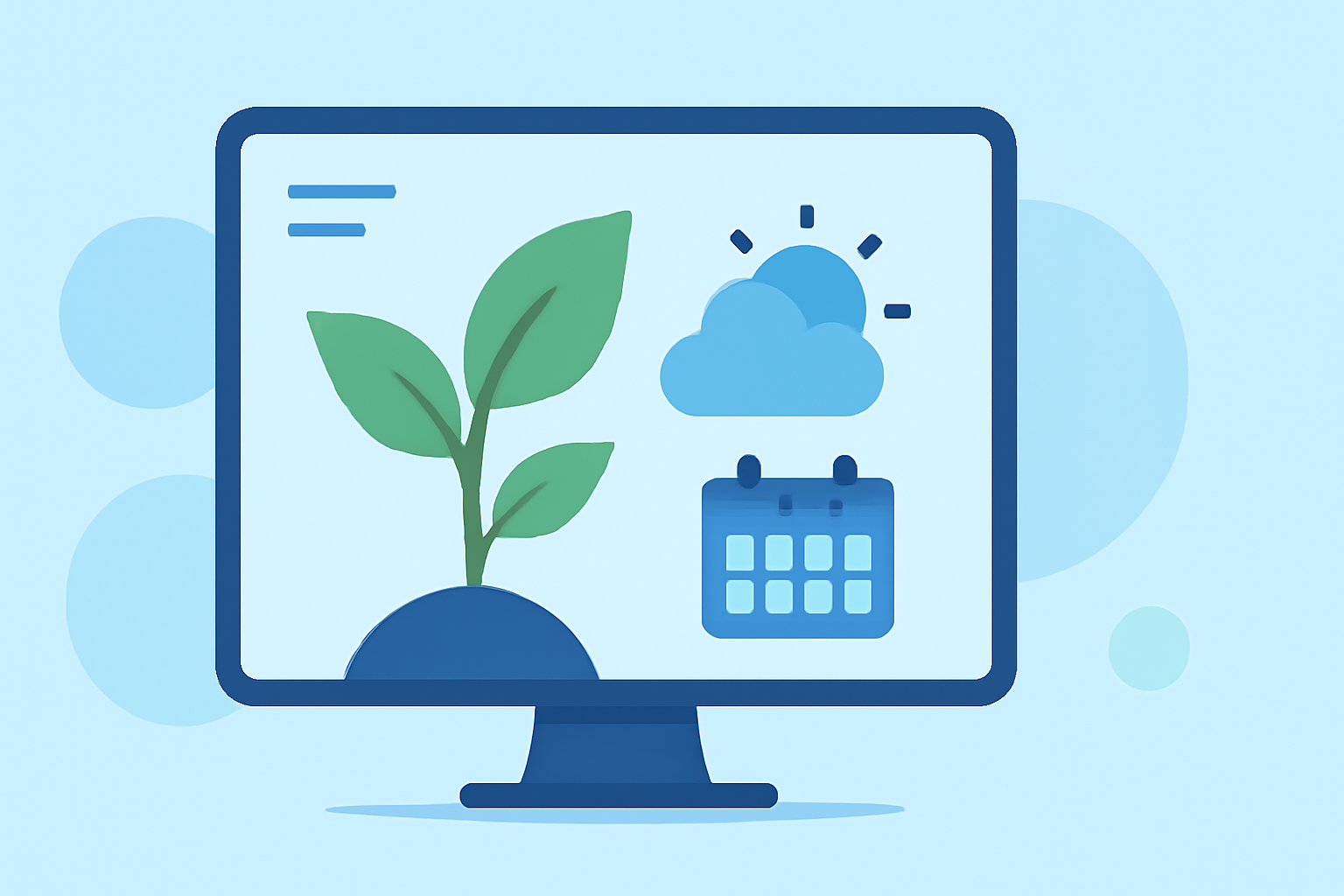
Understanding and utilizing weather patterns is crucial for successful vegetable gardening. By aligning planting schedules with local climate conditions, gardeners can enhance crop yields and minimize risks.
Why Is Weather Data Essential for Vegetable Gardening?
Weather influences plant growth stages, from germination to harvest. Temperature, precipitation, and sunlight directly affect plant health and productivity. For instance, certain vegetables thrive in cooler temperatures, while others require warmth. Monitoring weather patterns helps in making informed decisions about planting and maintenance.
How Can Clime Assist Non-Technical Gardeners?
Clime offers intuitive tools that simplify weather data interpretation for gardeners without technical backgrounds. By inputting your location, Clime provides localized forecasts, historical weather data, and personalized planting calendars. This empowers gardeners to plan effectively, ensuring optimal planting and harvesting times.
What Are the Key Weather Factors to Monitor?
-
Temperature: Different vegetables have specific temperature requirements. For example, cool-season crops like lettuce and spinach prefer temperatures between 55°F and 65°F, while warm-season crops like tomatoes and peppers thrive in temperatures above 70°F. (soiliq.app)
-
Precipitation: Adequate rainfall is vital for plant growth. Clime's tools can help track rainfall patterns, aiding in irrigation planning.
-
Frost Dates: Knowing the average last frost date in spring and first frost date in fall helps in determining safe planting and harvesting windows. Clime provides historical frost data for various regions.
How Does Clime Provide Localized Weather Information?
Clime sources data from reputable platforms like the National Climatic Data Center's Climate Data Online (CDO), which offers access to global historical weather and climate data. (ncei.noaa.gov) By integrating such data, Clime delivers accurate and localized weather insights tailored to your gardening needs.
Can Clime Help with Planting Schedules?
Yes, Clime's personalized planting calendars are designed to assist gardeners in planning their planting and harvesting activities. By considering your USDA Hardiness Zone and local climate data, Clime suggests optimal planting times for various vegetables, ensuring they are sown and harvested at the most favorable times. (gardeningbyzone.com)
How User-Friendly Is Clime for Beginners?
Clime's interface is designed with simplicity in mind. Gardeners can easily input their location and receive tailored weather forecasts, historical data, and planting recommendations without needing technical expertise. This accessibility makes Clime an invaluable tool for both novice and experienced gardeners.
By leveraging Clime's comprehensive weather data and user-friendly tools, gardeners can make informed decisions, leading to healthier plants and more bountiful harvests.