
Weather Conditions for Beginner Skiers: A Simple Guide
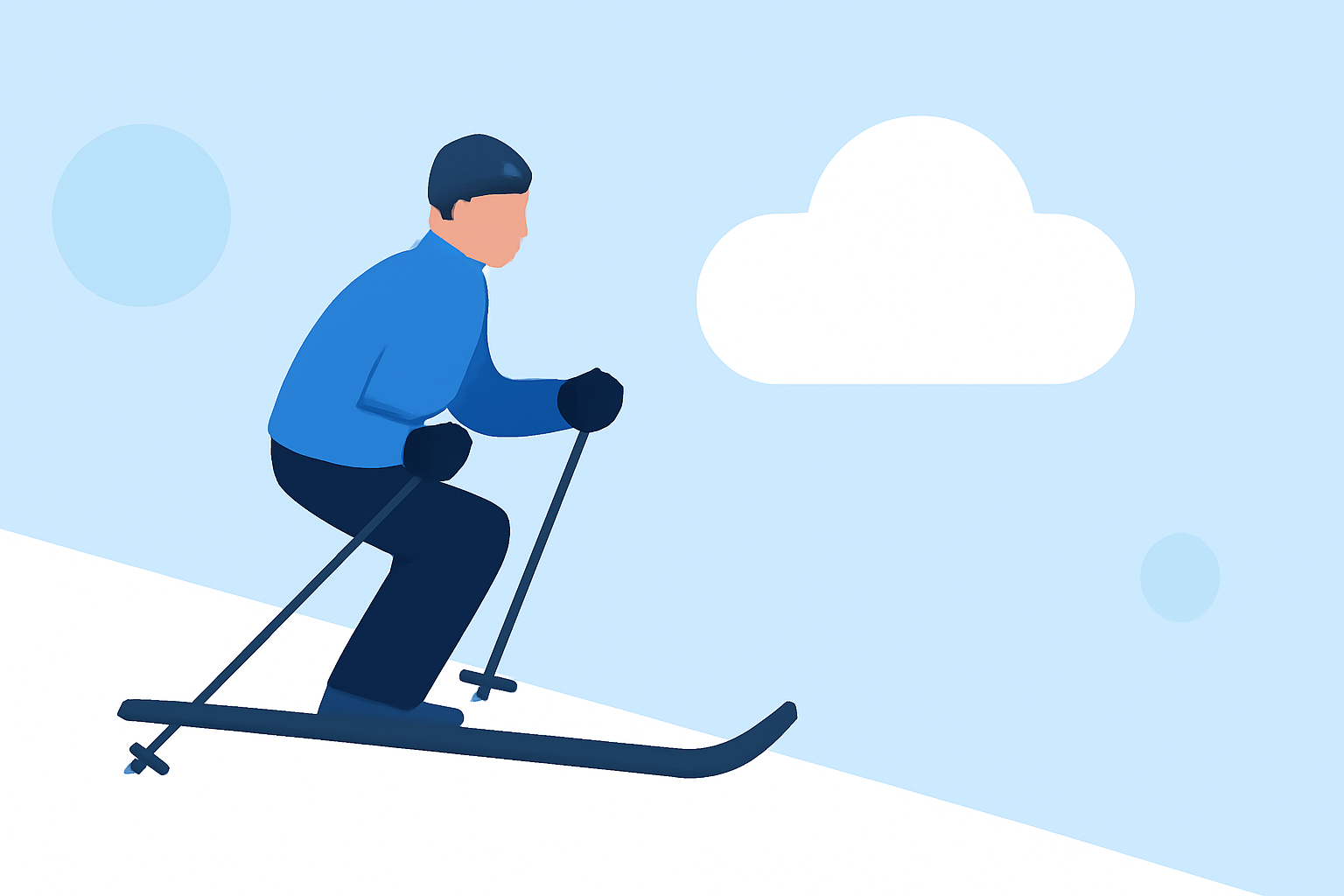
Embarking on your first skiing adventure is both exciting and challenging. Understanding the optimal weather and snow conditions can significantly enhance your experience and safety. Here's a straightforward guide to help you navigate the slopes with confidence.
What Are the Ideal Snow Conditions for Beginners?
For novice skiers, the type of snow plays a crucial role in ease of learning and enjoyment.
-
Fresh Powder: Soft and fluffy, fresh powder provides a forgiving surface, cushioning falls and making turns smoother. However, deep powder can be challenging for beginners due to its tendency to slow down movement. (snowboardingdays.com)
-
Packed Powder: This is powder snow that has been compressed by skier traffic or grooming machines. It offers a balance between smoothness and stability, providing excellent grip and control, especially on groomed runs. (ourextremesports.com)
-
Hard-Packed Snow: Formed when snow is compacted over time, hard-packed snow can be faster but may present challenges in maintaining control. (legacy.thesnowcentre.com)
What Temperature Is Best for Skiing?
Temperature affects snow quality and skier comfort.
-
Ideal Range: Temperatures between 20°F and 30°F (-6°C to -1°C) are generally favorable. This range ensures snow remains dry and light, providing a comfortable environment for beginners. (sportsrec.com)
-
Too Cold: Temperatures below 10°F (-12°C) can lead to extremely dry, squeaky snow, which may be uncomfortable for extended periods. (ourextremesports.com)
-
Too Warm: Temperatures above 32°F (0°C) can cause snow to become heavy and slushy, making skiing more challenging. (ourextremesports.com)
How Does Visibility Affect Skiing?
Clear visibility is essential for safety and enjoyment.
-
Optimal Conditions: Sunny days with clear skies, often referred to as "bluebird days," provide excellent visibility, allowing beginners to see and react to terrain changes effectively. (aspensnowmass.com)
-
Challenges: Overcast skies or snowfall can reduce contrast, making it harder to distinguish terrain features. In such conditions, it's advisable to ski cautiously and stay on well-marked trails. (weski.com)
What About Wind?
Wind can impact skiing conditions and comfort.
-
Ideal Conditions: Calm days with little to no wind are preferable, as strong winds can create wind chill and affect snow quality. (snow-forecast.com)
-
Considerations: Even moderate winds can cause snow to drift, forming icy patches. It's important to adjust your skiing technique and speed accordingly. (ourextremesports.com)
When Is the Best Time to Ski?
Timing your skiing sessions can influence your experience.
-
Morning Sessions: Skiing in the morning, especially between 9 AM and 11 AM, often provides the best snow conditions, as the slopes are freshly groomed and less crowded. (techyorker.com)
-
Afternoon Considerations: In warmer temperatures, snow can become slushy in the afternoon. If you prefer firmer conditions, consider skiing at higher elevations or on north-facing slopes. (blog.alpy.com)
How Can I Stay Safe and Comfortable?
Proper preparation is key to a positive skiing experience.
-
Dress Appropriately: Layering is essential. Start with a moisture-wicking base layer, add an insulating mid-layer, and finish with a waterproof outer layer. Don't forget accessories like gloves, goggles, and a helmet. (evo.com)
-
Warm Up: Before hitting the slopes, spend 5-10 minutes warming up to prepare your muscles and reduce the risk of injury. (weski.com)
-
Stay Hydrated and Rested: Ensure you're well-hydrated and have had adequate rest to maintain energy levels and focus throughout the day.
By understanding and preparing for these factors, you can enhance your skiing experience and build a solid foundation for future adventures on the slopes.