
Mastering Weather Conditions for Optimal Snowboarding
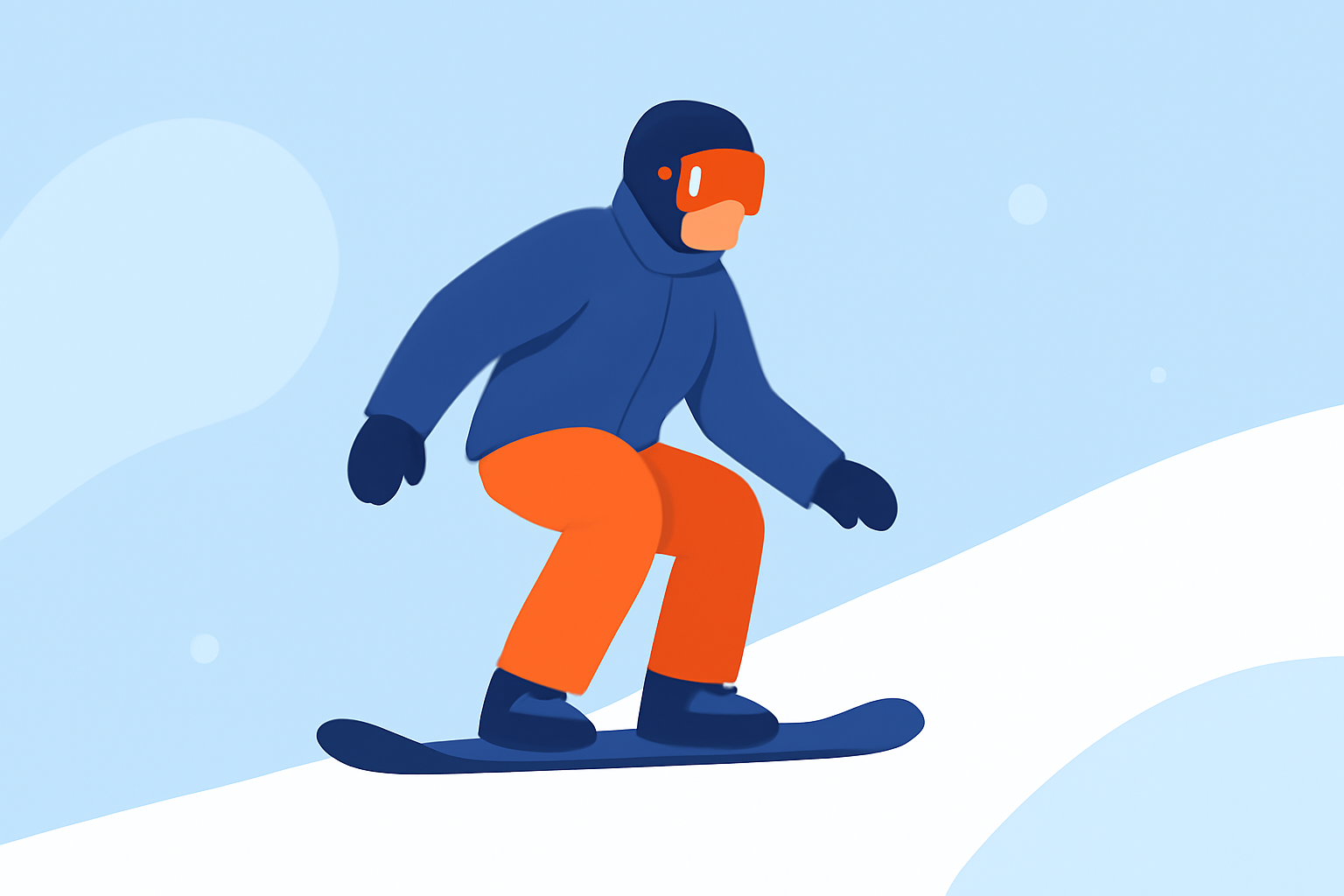
Snowboarding enthusiasts know that the thrill of carving down a mountain is deeply influenced by the day's weather conditions. Understanding how different weather patterns affect snow quality, temperature, and overall safety can significantly enhance your riding experience.
What Are the Ideal Snow Conditions for Snowboarding?
The quality of snow directly impacts your snowboarding performance. Fresh, light, and fluffy powder is often considered the most desirable condition, providing a soft and forgiving surface for riders. This type of snow typically falls when temperatures are between 0°F and 10°F (-18°C to -12°C). (snowboardingprofiles.com)
Packed powder, which results from wind or skier traffic compressing the snow, offers a smoother ride and is easier to control than deep powder. However, hard-packed and icy conditions can pose challenges, as they reduce grip and increase the risk of slipping. (snowboardingdays.com)
How Does Temperature Affect Snow Quality?
Temperature plays a crucial role in snow quality. Ideal snowboarding conditions usually occur at temperatures between 10°F (-12°C) and 25°F (-4°C). Warmer temperatures can lead to wet, heavy snow, while colder temperatures produce dry, powdery snow. Extremely cold conditions may result in very dry snow, which can be challenging for some riders. (snowboardingdays.com)
What Are the Best Times to Snowboard?
Timing your snowboarding sessions can make a significant difference. Early mornings often provide the best conditions, as slopes are freshly groomed, and the snow is typically firmer and faster. Mid-January is often the best time of the year for snowboarding, as it offers the most consistent snow conditions. (ridingboards.com)
How Do Wind and Visibility Impact Snowboarding?
Wind and visibility are critical factors in snowboarding safety and enjoyment. Strong winds can reduce visibility and make riding more challenging. Calm, clear days are ideal for snowboarding, as they provide better visibility and more stable conditions. (snowboardingdays.com)
What Are the Safety Considerations for Snowboarding in Various Weather Conditions?
Safety should always be a priority when snowboarding. Before heading out, check local avalanche forecasts and weather conditions. Ensure you have the appropriate gear for the day's conditions, including layers to adjust to temperature changes and equipment suitable for the snow type. Always ride within your skill level and be aware of your surroundings to avoid potential hazards.
By understanding and anticipating weather patterns, you can make informed decisions that enhance your snowboarding experience, ensuring both enjoyment and safety on the slopes.
Highlights:
- Weather update - Meadowlark Ski & Snowboarding, Published on Tuesday, January 27
- weather update feb 19th - Meadowlark Ski & Snowboarding, Published on Wednesday, February 18