
Weather Considerations for Backpacking During Severe Conditions
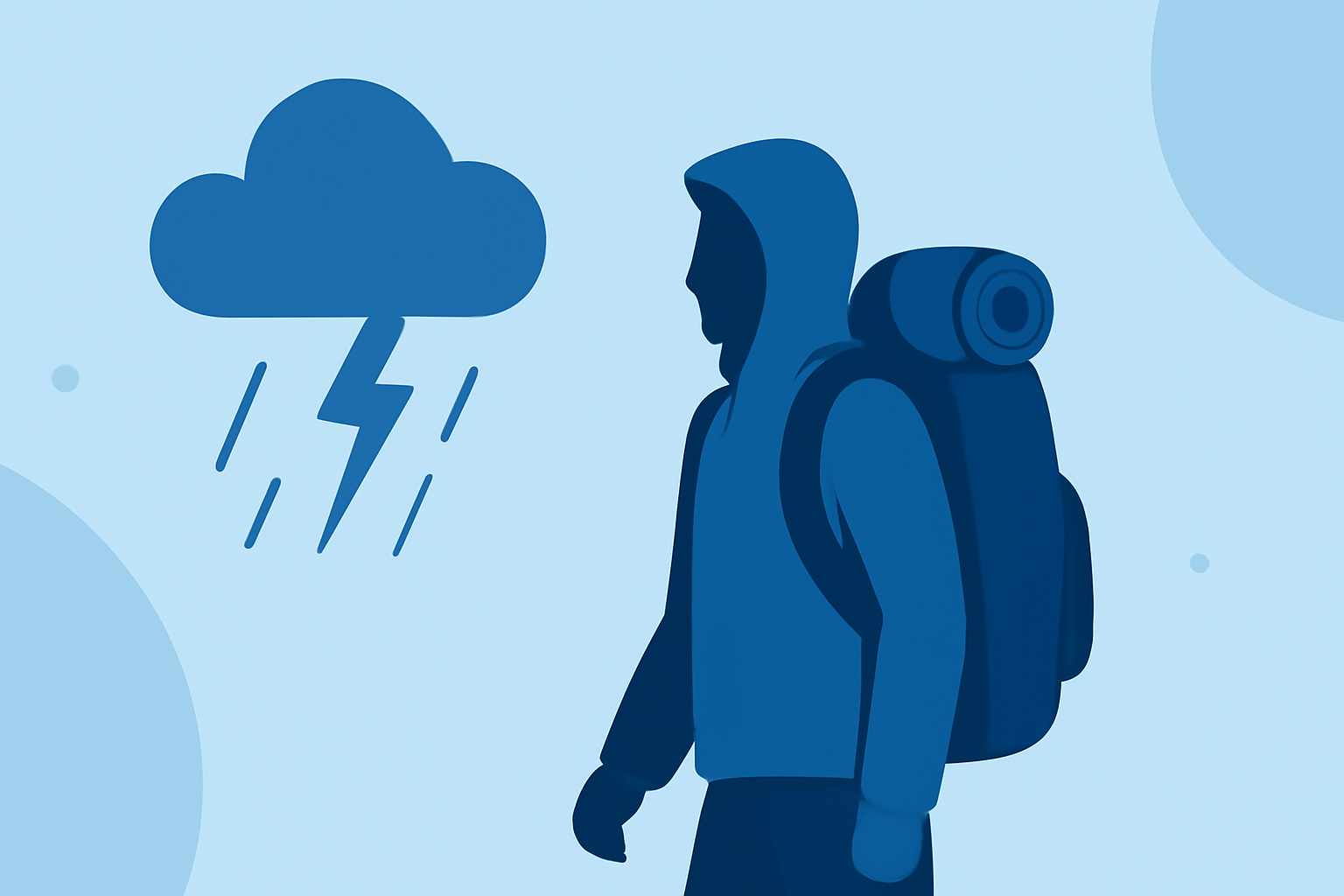
Embarking on a backpacking trip during severe weather conditions requires meticulous planning and awareness. Understanding potential hazards and utilizing appropriate tools can significantly enhance safety and enjoyment. This guide provides essential considerations for backpacking in adverse weather and highlights how Clime's tools can assist in your journey.
Understanding Severe Weather Hazards
Severe weather encompasses various conditions that can pose risks to backpackers, including:
-
Thunderstorms: Characterized by lightning, heavy rainfall, and strong winds, thunderstorms can develop rapidly, especially in mountainous regions. (prod-01-alb-www-noaa.woc.noaa.gov)
-
Flash Floods: Sudden and intense rainfall can lead to flash floods, particularly in arid regions with steep terrain. (nps.gov)
-
Extreme Temperatures: Both excessive heat and cold can be dangerous. For instance, the Grand Canyon experiences summer highs exceeding 100°F (38°C), posing heat-related risks. (nps.gov)
-
High Winds: Strong winds can cause hypothermia, especially when combined with wet conditions, and can also lead to falling debris.
Preparation and Safety Measures
To ensure safety during severe weather, consider the following steps:
-
Check Weather Forecasts: Before and during your trip, monitor weather updates from reliable sources like the National Weather Service. (weather.gov)
-
Plan Your Timing: In areas prone to afternoon thunderstorms, such as the Cascades, plan to be below treeline by early afternoon. (exploroff.com)
-
Carry Appropriate Gear: Equip yourself with weather-appropriate clothing, a reliable shelter, and emergency supplies.
-
Know When to Turn Back: If weather conditions deteriorate, prioritize safety by turning back or seeking shelter.
Utilizing Clime's Tools for Enhanced Safety
Clime offers a suite of tools designed to assist backpackers in navigating severe weather conditions:
-
Real-Time Weather Updates: Receive timely alerts on changing weather patterns, enabling informed decisions.
-
Interactive Maps: Access detailed terrain and weather overlays to plan routes that minimize exposure to severe conditions.
-
Emergency Notifications: Stay informed about local hazards, such as flash flood warnings or high wind advisories.
By integrating Clime's tools into your backpacking plans, you can enhance safety and responsiveness to changing weather conditions.
Conclusion
Backpacking during severe weather demands thorough preparation, vigilance, and the use of reliable tools. By understanding potential hazards and utilizing resources like Clime, you can embark on your adventure with confidence, ensuring a safer and more enjoyable experience.
Highlights:
- Severe Weather Information for the United States
- Staying Ahead of the Storms | National Oceanic and Atmospheric Administration
- Lightning Safety for Hikers: What to Do in a Thunderstorm | ExplorOFF