
Weather Considerations for Beginner Gardeners: A Simple Guide
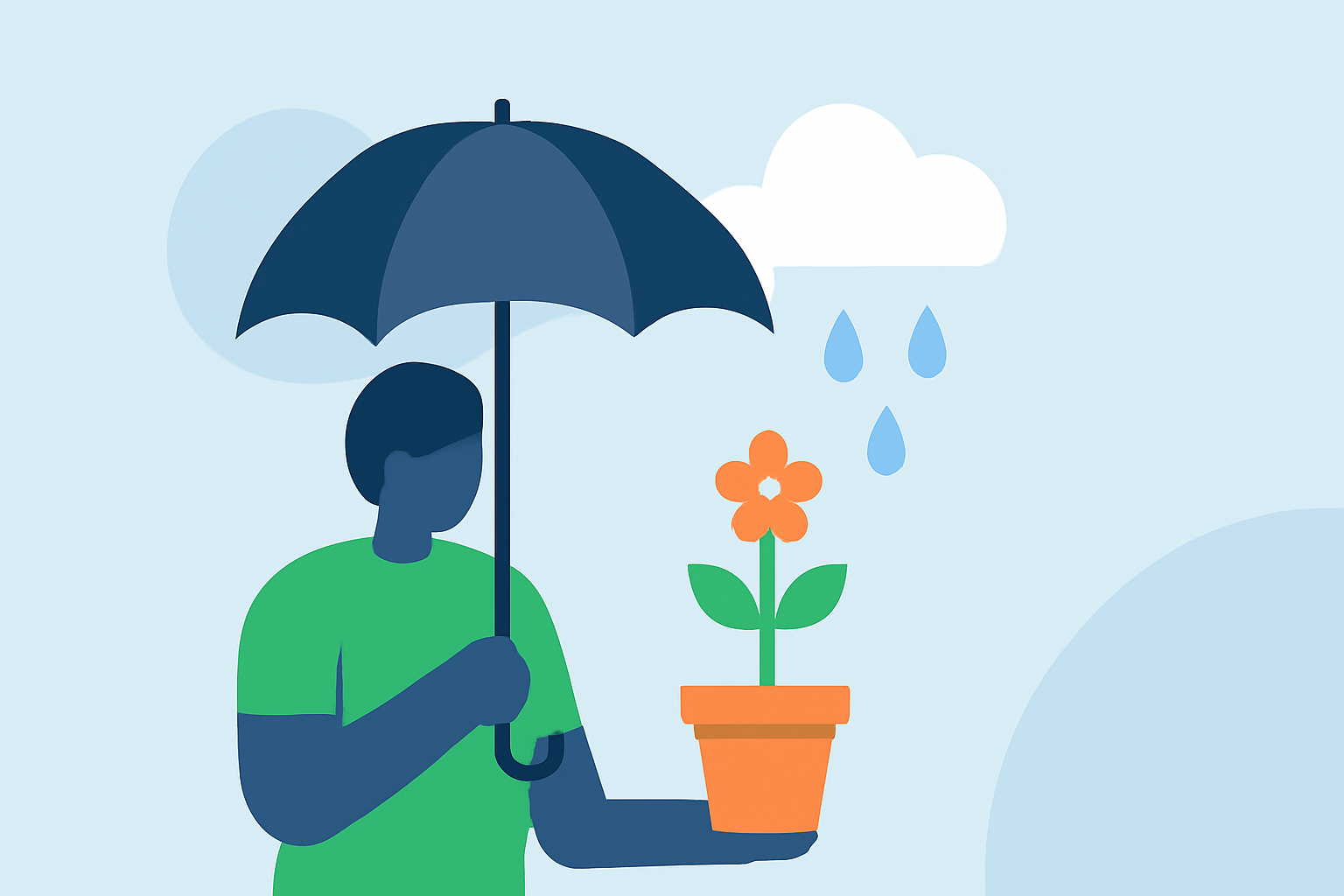
Embarking on your gardening journey is both exciting and rewarding. Understanding how weather influences plant growth is crucial for cultivating a thriving garden. This guide offers straightforward advice to help you navigate weather patterns effectively.
1. How Does Weather Affect Plant Growth?
Weather conditions, including temperature, precipitation, and sunlight, directly impact plant health. Extreme temperatures can hinder growth, while inconsistent rainfall can lead to water stress. Sunlight is essential for photosynthesis, and its availability varies with the seasons.
2. What Are Hardiness Zones and Why Are They Important?
The USDA Plant Hardiness Zone Map divides the U.S. into regions based on average annual minimum temperatures. Knowing your zone helps in selecting plants that can withstand local climate conditions. For instance, lettuce and kale thrive in cooler zones, while tomatoes and peppers prefer warmer climates. (bobvila.com)
3. How Can I Choose the Right Location for My Garden?
Select a spot that receives at least 6 hours of direct sunlight daily, as most vegetables require this for optimal growth. Observe your chosen area throughout the day to ensure it meets this criterion. Additionally, consider factors like wind exposure and potential frost pockets. (plantanywhere.net)
4. What Are the Best Times to Plant?
Planting times vary based on your region's climate and the specific plants you wish to grow. Cool-season crops like lettuce and radishes can be planted in early spring, while warm-season crops such as tomatoes and cucumbers should be planted after the last frost date. Utilizing a planting calendar tailored to your hardiness zone can provide precise timing. (toagriculture.com)
5. How Do I Monitor and Adapt to Weather Changes?
Regularly check local weather forecasts to anticipate conditions that may affect your garden. In case of unexpected frost, use row covers or blankets to protect sensitive plants. During heavy rainfall, ensure proper drainage to prevent waterlogging. Being proactive allows you to make timely adjustments, safeguarding your plants.
6. How Can I Utilize Technology to Assist My Gardening?
Leveraging weather apps and online tools can provide real-time updates and forecasts, aiding in better planning. Some platforms offer gardening-specific features, such as planting reminders and pest alerts, tailored to your location and plant selection.
7. What Are Some Common Weather-Related Challenges and Solutions?
-
Frost: Protect plants with covers or by bringing them indoors during unexpected cold snaps.
-
Heatwaves: Provide shade and ensure consistent watering to prevent heat stress.
-
Heavy Rain: Ensure your garden has well-draining soil to prevent root rot.
8. How Can I Build a Resilient Garden?
Choose native or drought-tolerant plants that are adapted to your local climate. Incorporate organic matter into the soil to improve its structure and water-holding capacity. Diversifying your plant selection can also reduce the risk of total crop loss due to adverse weather.
By understanding and adapting to weather patterns, you can create a garden that not only survives but thrives, providing you with a rewarding and fruitful experience.