
Weather Considerations for Dog Walking: A Commuter's Guide
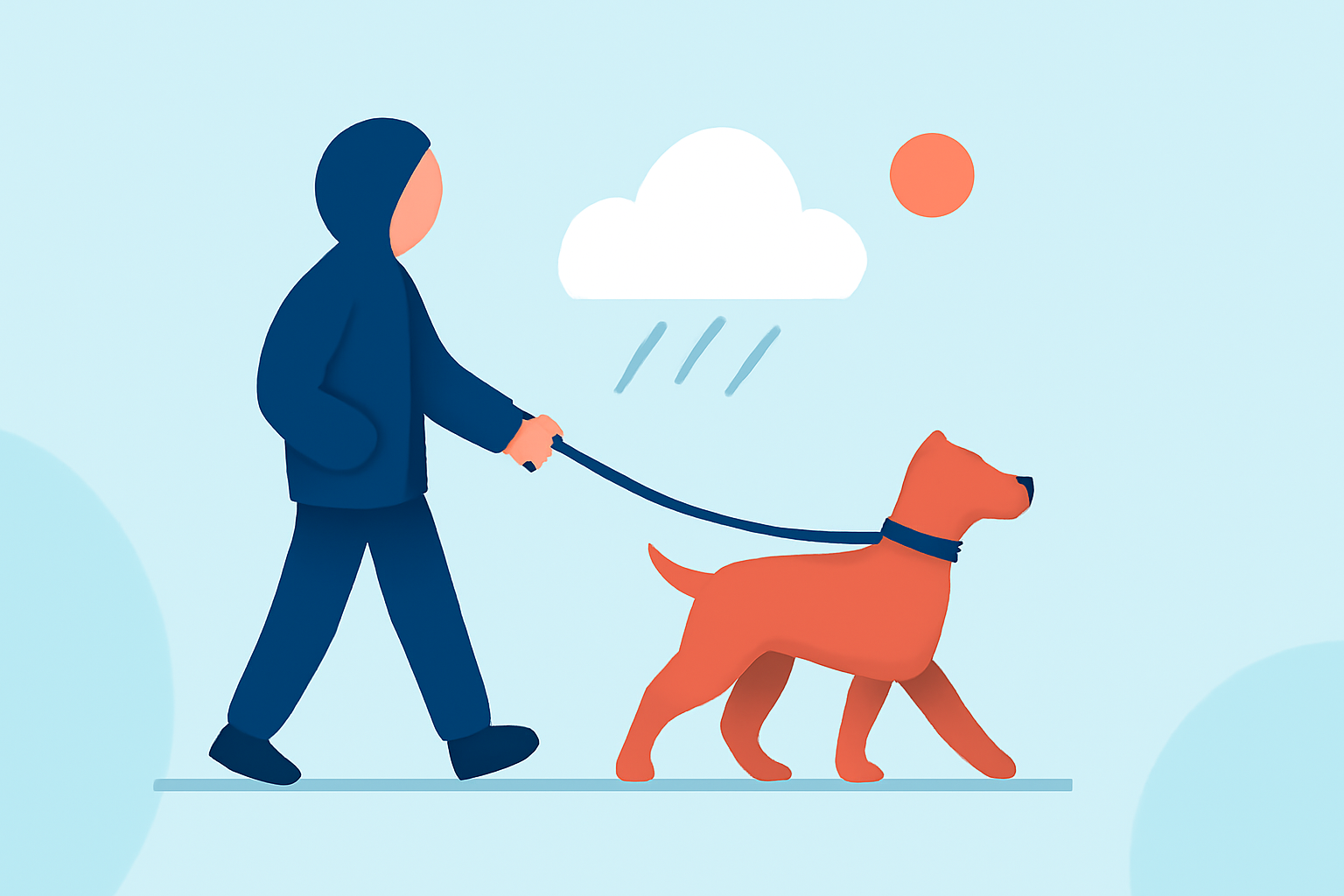
As a commuter, balancing your daily routine with the needs of your canine companion can be challenging, especially when it comes to weather-dependent activities like dog walking. Understanding how different weather conditions affect your dog's comfort and safety is crucial. This guide provides essential tips to help you navigate dog walks in various weather scenarios.
How Does Temperature Affect Dog Walks?
Temperature plays a significant role in your dog's comfort during walks. According to the American Kennel Club (AKC), the ideal temperature range for dog walks is between 50°F and 68°F (10°C to 20°C). Temperatures above 85°F (29°C) can be too hot, while those below 32°F (0°C) can be too cold for extended periods. (goodrx.com)
What Are the Risks of Walking Dogs in Extreme Temperatures?
Extreme temperatures pose various risks:
-
Heat: Dogs can suffer from heatstroke, dehydration, and paw pad burns on hot surfaces.
-
Cold: Exposure to cold can lead to hypothermia and frostbite, especially in small, short-haired, or senior dogs.
How Can I Safely Walk My Dog in Hot Weather?
To ensure safety during hot weather:
-
Choose Optimal Times: Walk your dog during the cooler parts of the day, such as early morning or evening.
-
Check Pavement Temperature: Before walking, place your hand on the pavement for five seconds. If it's too hot for your hand, it's too hot for your dog's paws.
-
Stay Hydrated: Always carry water for both you and your dog.
-
Limit Walk Duration: Keep walks short to prevent overheating.
How Can I Safely Walk My Dog in Cold Weather?
For cold weather walks:
-
Dress Appropriately: Consider using dog coats or sweaters for small, thin-coated, or senior dogs.
-
Limit Exposure: Keep walks brief and monitor your dog for signs of discomfort.
-
Protect Paws: Use paw wax or boots to shield paws from ice and salt.
What Are the Best Practices for Walking Dogs in Rain or Snow?
In wet conditions:
-
Use Protective Gear: Equip your dog with a raincoat to keep them dry.
-
Dry Off After Walks: Wipe your dog's paws and coat to prevent skin issues.
-
Be Cautious of Slippery Surfaces: Watch for ice and puddles that can pose slipping hazards.
How Does Humidity Impact Dog Walks?
High humidity can make it harder for dogs to cool down through panting, increasing the risk of heat-related illnesses. The American Veterinary Medical Association (AVMA) warns that the combination of heat and humidity is more dangerous than heat alone. (walksbuddy.com)
How Can I Monitor Weather Conditions for Dog Walking?
Utilizing reliable weather apps can help you plan safe walks. Some apps provide real-time weather updates and can assist in determining the best times for walks.
Conclusion
Balancing your commute with your dog's exercise needs requires careful consideration of weather conditions. By staying informed and taking appropriate precautions, you can ensure enjoyable and safe walks for both you and your canine companion.