
Weather Considerations for Outdoor Barbecues: A Guide for Pet Owners
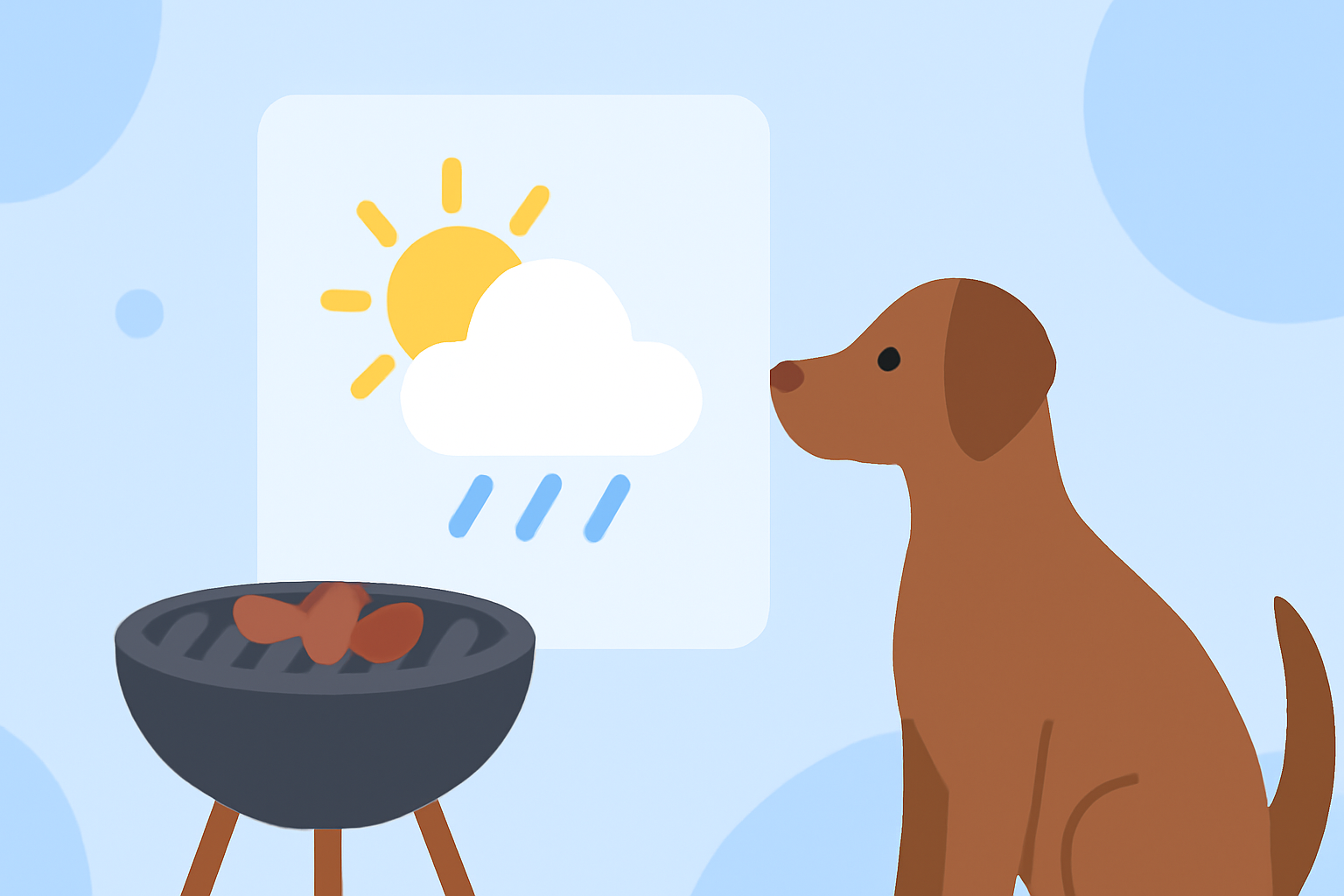
Hosting an outdoor barbecue is a delightful way to enjoy good food and company. However, for pet owners, it's crucial to consider how weather conditions can impact the safety and well-being of your furry friends. This guide provides essential tips to ensure a safe and enjoyable barbecue experience for both you and your pets.
How Does Weather Affect Outdoor Barbecues for Pets?
Weather conditions play a significant role in your pet's comfort and safety during outdoor activities. Extreme temperatures, whether hot or cold, can pose health risks such as heatstroke or hypothermia. Additionally, sudden weather changes like thunderstorms can cause anxiety in pets. Being aware of the forecast and planning accordingly is vital.
What Are the Risks of Hot Weather During Barbecues?
Hot weather increases the risk of heat-related illnesses in pets. Dogs, in particular, are susceptible to heat exhaustion and heatstroke, which can be life-threatening if not addressed promptly. Signs include excessive panting, drooling, weakness, and vomiting. To mitigate these risks:
-
Provide Shade and Water: Ensure your pet has access to a shaded area and fresh water at all times. This helps prevent overheating and dehydration.
-
Limit Outdoor Time: Avoid prolonged exposure to high temperatures. Opt for early morning or evening hours for outdoor activities when it's cooler.
-
Recognize Heatstroke Symptoms: Be vigilant for signs of heatstroke, such as excessive panting, drooling, weakness, and vomiting. If you notice these symptoms, move your pet to a cooler area, offer water, and contact your veterinarian immediately. (petmd.com)
How Can Cold Weather Impact Pets During Barbecues?
Cold temperatures can lead to hypothermia and frostbite in pets, especially those with short coats or small body sizes. To protect your pet in cooler weather:
-
Limit Outdoor Exposure: Keep outdoor activities brief and ensure your pet is dressed appropriately for the cold.
-
Provide Warm Shelter: After outdoor time, ensure your pet has access to a warm, dry place to rest.
-
Monitor for Cold-Related Illnesses: Watch for signs like shivering, lethargy, and pale gums. If these occur, seek veterinary care promptly. (spca.org)
What Are the Dangers of Thunderstorms During Barbecues?
Thunderstorms can cause anxiety in pets due to loud noises and sudden changes in the environment. To help your pet cope:
-
Create a Safe Space: Designate an area in your home where your pet feels secure during storms.
-
Use Calming Products: Consider using pet-safe calming aids, such as pheromone diffusers or anxiety wraps.
-
Stay Calm: Your pet can sense your emotions. Remaining calm can help reassure them during the storm.
How Can I Prepare for Unpredictable Weather During My Barbecue?
Unpredictable weather can disrupt outdoor plans. To prepare:
-
Monitor Weather Forecasts: Stay updated on local weather conditions leading up to your barbecue.
-
Have an Indoor Backup Plan: Ensure you have a space in your home suitable for hosting guests and pets in case of inclement weather.
-
Keep Pets Indoors During Severe Weather: If severe weather is expected, it's best to keep pets indoors to ensure their safety. (seattle.gov)
What Are Some Pet-Friendly Barbecue Foods?
While it's tempting to share your barbecue treats with your pet, some human foods can be harmful. Instead, offer pet-safe alternatives:
-
Vegetables: Carrots, green beans, and sweet potatoes are healthy options.
-
Fruits: Apples (without seeds), blueberries, and watermelon are safe in moderation.
-
Lean Meats: Small pieces of cooked chicken or turkey without seasoning can be a tasty treat.
Always introduce new foods gradually and monitor for any adverse reactions. (akc.org)
How Can I Ensure My Pet's Safety During the Barbecue?
-
Supervise Your Pet: Always keep an eye on your pet, especially around food and guests.
-
Secure the Grill Area: Keep your pet away from the grill to prevent burns or accidental ingestion of harmful substances.
-
Clean Up Promptly: After the barbecue, clean up food scraps and dispose of trash to prevent your pet from accessing harmful items. (akc.org)
By considering these weather-related factors and taking appropriate precautions, you can ensure a safe and enjoyable barbecue experience for both you and your pets.
Highlights:
- Summer Barbecue and Grilling Safety Tips for Dog Owners
- Grilling Safety for Dogs: 5 Tips for a Safe Outdoor BBQ | PetMD, Published on Monday, March 30
- Severe Weather Tips - Animal Shelter | seattle.gov