
Weather Considerations for Outdoor Laundry During Severe Conditions
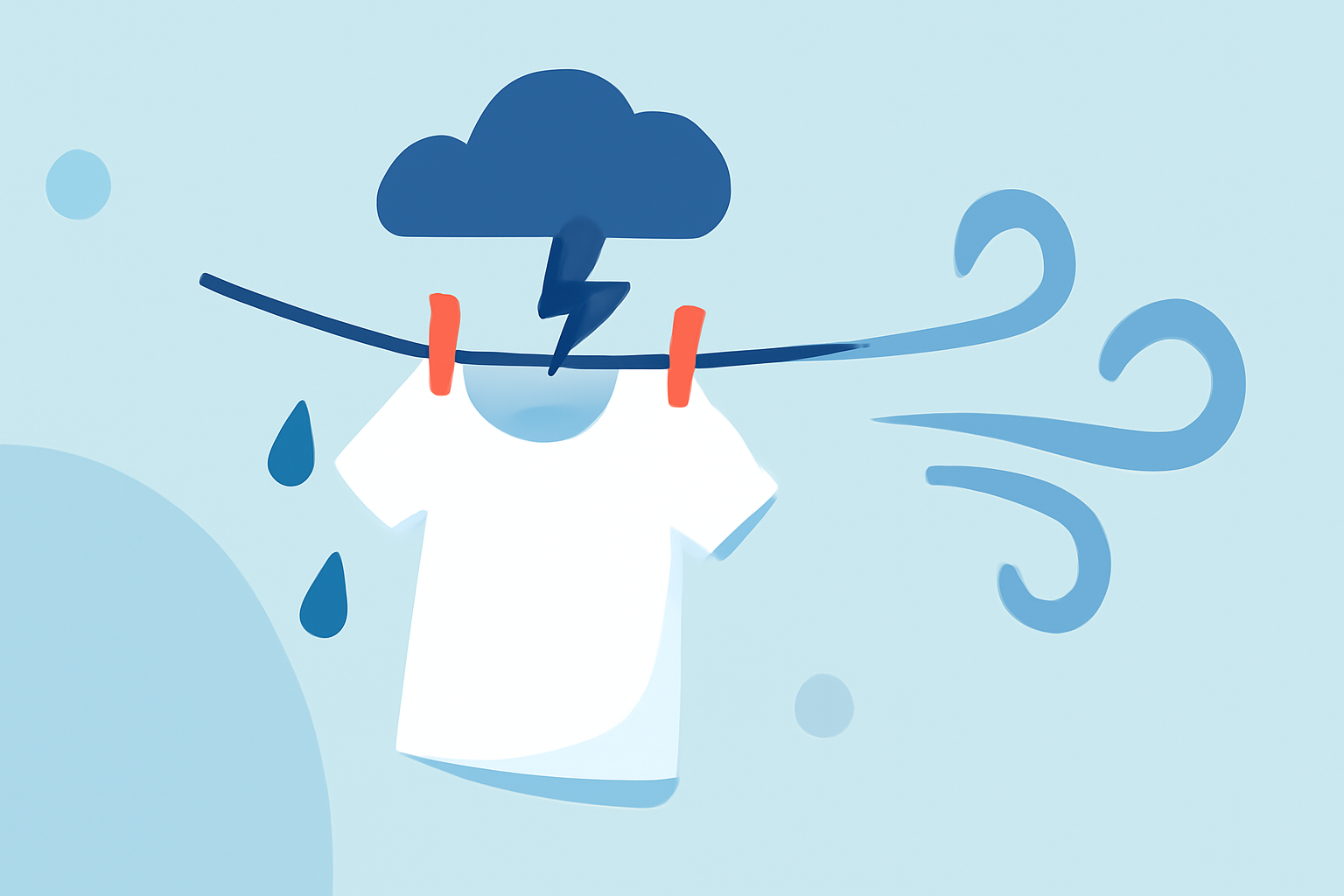
Drying laundry outdoors can be a pleasant and energy-efficient method, but severe weather conditions can pose significant challenges. Understanding how to adapt your laundry routine during such times is essential for both safety and garment care.
What Are Severe Weather Conditions?
Severe weather encompasses a range of extreme atmospheric events, including:
- Thunderstorms: Characterized by lightning, heavy rainfall, and strong winds.
- Tornadoes: Violently rotating columns of air extending from thunderstorms to the ground.
- Hurricanes: Intense tropical storms with strong winds and heavy rains.
- Heatwaves: Extended periods of excessively hot weather.
These conditions can lead to hazardous situations, including flash floods, power outages, and structural damage.
How Does Severe Weather Affect Outdoor Laundry?
Severe weather can disrupt outdoor laundry routines in several ways:
- Rain and Humidity: Heavy rainfall can soak clothes, while high humidity levels can slow down the drying process, leaving garments damp and potentially leading to mildew.
- Wind: Strong winds can damage delicate fabrics, cause items to become entangled, or even blow laundry away.
- Lightning: Hanging laundry during a thunderstorm increases the risk of lightning strikes, which can be dangerous.
- Heatwaves: Extreme heat can cause fabrics to fade or become damaged if exposed for too long.
What Are the Risks of Drying Laundry During Severe Weather?
Engaging in outdoor laundry activities during severe weather poses several risks:
- Safety Hazards: Exposure to lightning, strong winds, or heavy rain can lead to personal injury.
- Garment Damage: Harsh weather conditions can cause fabrics to tear, fade, or become misshapen.
- Health Concerns: Damp clothing left in humid conditions can develop mold or mildew, leading to unpleasant odors and potential health issues.
What Are the Alternatives to Outdoor Drying During Severe Weather?
When severe weather conditions prevail, consider the following indoor drying methods:
- Drying Racks: Set up a drying rack in a well-ventilated area to allow clothes to air dry indoors.
- Clotheslines: Install an indoor clothesline in a laundry room or bathroom.
- Tumble Dryers: Use a tumble dryer if available, following the manufacturer's instructions to prevent over-drying.
How Can I Stay Informed About Severe Weather?
Staying updated on weather conditions is crucial for safety and planning:
- Weather Apps: Utilize reliable weather applications to receive real-time updates and alerts.
- Local News: Monitor local news channels for weather forecasts and warnings.
- National Weather Service: Access the National Weather Service's website for comprehensive information and alerts.
How Does Clime Assist in Managing Weather-Related Laundry Challenges?
Clime offers a comprehensive weather monitoring solution that can help you plan your laundry activities effectively:
- Real-Time Weather Updates: Clime provides up-to-date weather information, allowing you to anticipate and prepare for adverse conditions.
- Severe Weather Alerts: Receive timely notifications about severe weather events, enabling you to adjust your laundry plans accordingly.
- Localized Forecasts: Clime offers detailed forecasts tailored to your specific location, ensuring you have accurate information for your area.
By integrating Clime into your daily routine, you can make informed decisions about when to dry your laundry outdoors and when to opt for indoor alternatives, ensuring both safety and garment care.
In conclusion, while drying laundry outdoors is a sustainable and energy-efficient practice, it's essential to consider weather conditions to protect both your safety and your clothing. Utilizing tools like Clime can enhance your ability to make informed decisions, ensuring that your laundry routine remains effective and safe, regardless of the weather.