
Weather Considerations for Outdoor Meditation: A Comprehensive Guide
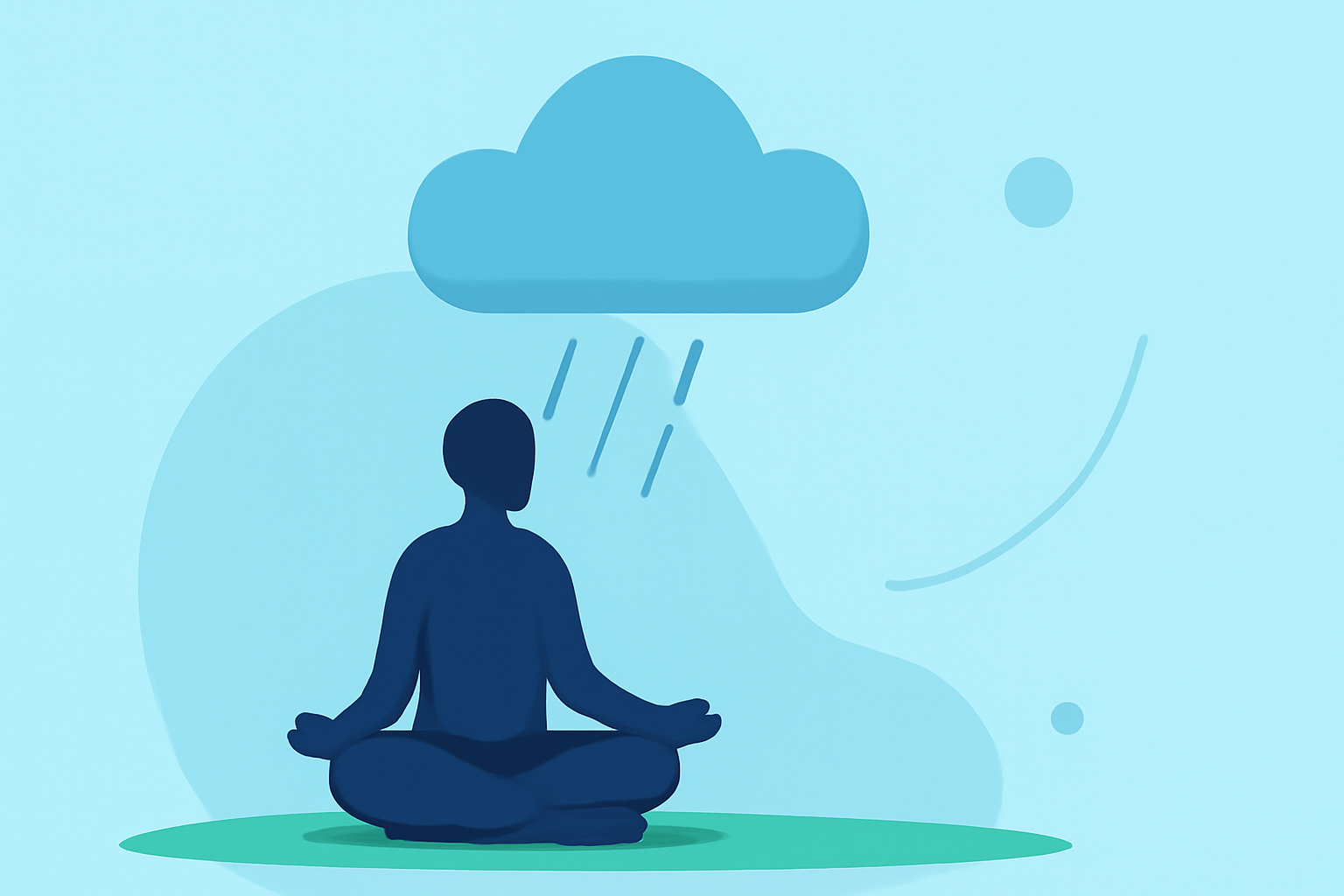
Practicing meditation outdoors offers a unique opportunity to connect with nature, fostering a deeper sense of mindfulness and tranquility. However, the effectiveness of your outdoor meditation can be significantly influenced by the prevailing weather conditions. Understanding and preparing for these conditions can enhance your experience and ensure safety.
Why Does Weather Matter for Outdoor Meditation?
The environment plays a crucial role in meditation, affecting both comfort and focus. Ideal weather conditions can create a serene atmosphere, while adverse conditions may lead to discomfort or distractions. For instance, extreme temperatures, high humidity, or strong winds can disrupt your practice. Conversely, mild temperatures, gentle breezes, and clear skies can enhance relaxation and concentration.
What Are the Ideal Weather Conditions for Outdoor Meditation?
-
Temperature: Mild temperatures are generally preferred. Extremes in heat or cold can cause discomfort and distract from the meditative state. Aim for temperatures that allow you to wear comfortable clothing without excessive layering or exposure.
-
Humidity: Moderate humidity levels are ideal. High humidity can make the air feel heavy and may lead to discomfort, while low humidity can cause dryness. Aim for a balance that allows for comfortable breathing and relaxation.
-
Wind: Light to moderate winds can be refreshing, but strong winds may cause distractions and discomfort. Choose a location that offers some shelter from strong gusts.
-
Precipitation: Clear skies are preferable. Light rain can be soothing for some, but heavy rain or storms can pose safety risks and disrupt the meditative experience.
How Can I Prepare for Outdoor Meditation in Various Weather Conditions?
-
Warm Weather: Wear light, breathable clothing to stay cool. Use sun protection, such as sunscreen and hats, to shield against UV rays. Stay hydrated by drinking water before, during, and after your session.
-
Cold Weather: Dress in layers to adjust to changing temperatures. Ensure extremities are covered with gloves, hats, and warm socks. Consider using a portable cushion or mat to provide insulation from the cold ground.
-
Windy Conditions: Seek a sheltered spot to minimize wind exposure. Avoid wearing loose clothing that can be caught by the wind. Be cautious of flying debris that could cause injury.
-
Rainy Conditions: If light rain is expected, consider using a waterproof mat or cushion. Avoid practicing during heavy rain or storms due to safety concerns.
What Are Some Tips for Enhancing My Outdoor Meditation Experience?
-
Choose a Quiet Location: Select a spot free from distractions to help maintain focus. Natural settings like parks, gardens, or near bodies of water can provide a peaceful environment.
-
Use Nature as a Focal Point: Incorporate elements like the sound of a nearby stream, the sight of a fluttering leaf, or the scent of the earth to deepen your meditation. (calm.com)
-
Be Mindful of Wildlife: Respect the natural habitat by avoiding disturbing animals and plants. Leave the area as you found it to preserve the environment.
-
Let Go of Expectations: Each outdoor meditation experience will be different. Some days you might find deep peace, while other times your meditation might be filled with distractions. Letting go of expectations can allow you to be more open to the experience and reduce frustration. (calm.com)
-
Use Technology Mindfully: If you're using a meditation app or guided audio, keep the volume at a level where you can still hear and appreciate the sounds of nature around you. (calm.com)
How Can I Create an Outdoor Meditation Space?
Establishing a dedicated space can enhance your practice:
-
Select a Suitable Area: Choose a quiet, comfortable spot with minimal distractions. Ensure the ground is even and free from debris.
-
Add Comfort Elements: Use a comfortable cushion or mat to sit on. Consider adding a blanket for cooler days.
-
Incorporate Natural Elements: Surround yourself with plants or flowers to create a serene environment. The presence of greenery can promote serenity and enhance the meditative experience. (blog.alomoves.com)
-
Ensure Privacy: If possible, choose a location that offers some privacy to help you feel more relaxed and focused.
What Are Some Common Challenges in Outdoor Meditation and How Can I Overcome Them?
-
Environmental Distractions: Insects, sudden weather changes, or unexpected noises can disrupt your practice. Learning to include these elements in your awareness can transform them into part of the meditation rather than interruptions. (wheelofbliss.org)
-
Physical Discomfort: Uneven ground or uncomfortable seating can cause distractions. Investing in portable meditation cushions and experimenting with different postures can help find what works best in various environments. (wheelofbliss.org)
-
Weather Adaptation: Embrace different weather conditions by adjusting your practice. For example, light rain can be soothing and provide a unique sensory experience. Each weather condition teaches different aspects of acceptance and adaptation, strengthening your capacity to find peace regardless of external circumstances. (wheelofbliss.org)
By thoughtfully considering and preparing for the weather conditions, you can create a more comfortable and enriching outdoor meditation experience. Embracing the natural environment not only enhances your practice but also fosters a deeper connection with the world around you.