
Weather Considerations for Outdoor Pilates: A Comprehensive Guide
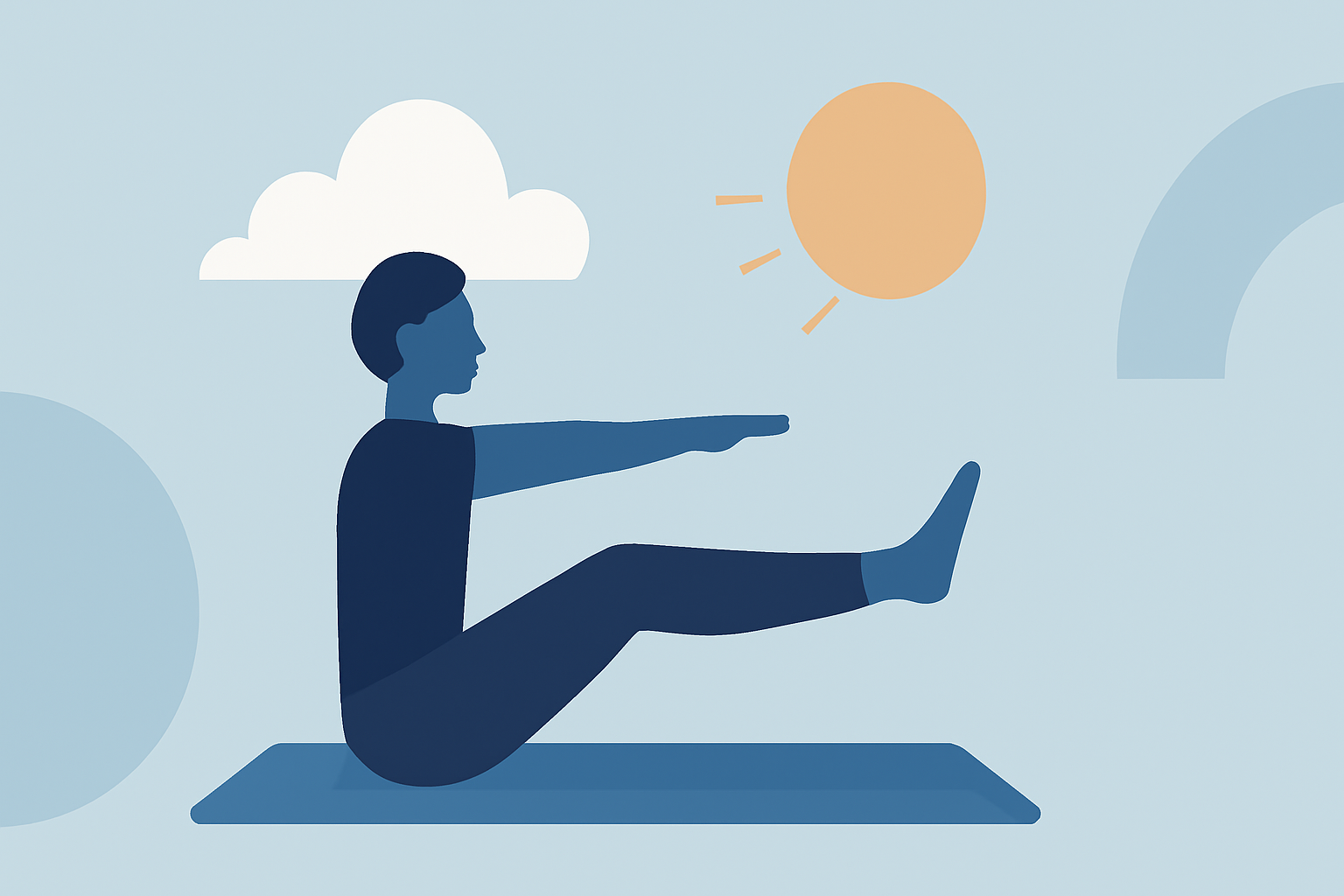
Practicing Pilates outdoors offers a refreshing change of scenery and the benefits of fresh air and natural surroundings. However, weather conditions can significantly impact the safety and effectiveness of your workout. Understanding how various weather elements affect your Pilates practice and utilizing tools like Clime can help you plan sessions that are both enjoyable and safe.
How Does Weather Affect Outdoor Pilates?
Weather conditions play a crucial role in determining the safety and comfort of outdoor Pilates sessions. Key factors include:
-
Temperature: Extreme temperatures can pose health risks. The National Weather Service provides guidelines on heat index levels, indicating when outdoor activities become hazardous due to heat. For instance, a heat index above 103°F (39°C) suggests that heat cramps or heat exhaustion are likely, and heat stroke is possible. (verywellfit.com)
-
Humidity: High humidity levels can make the air feel warmer than it is, increasing the risk of heat-related illnesses. It's essential to monitor humidity levels to ensure they are within safe ranges for physical activity.
-
Wind: Strong winds can make it challenging to maintain balance and control during Pilates exercises, especially those requiring stability. Wind can also affect the comfort of your workout by causing rapid cooling or making the environment feel colder than the actual temperature.
-
Precipitation: Rain can create slippery surfaces, increasing the risk of slips and falls. Additionally, wet conditions can make it uncomfortable to perform exercises, especially those involving mats or equipment.
-
Sun Exposure: Prolonged exposure to direct sunlight can lead to sunburn and heat-related illnesses. It's important to monitor UV index levels and take appropriate precautions, such as wearing sunscreen and protective clothing.
How Can Clime Assist in Planning Outdoor Pilates Sessions?
Clime offers a comprehensive weather monitoring solution that can help you plan your outdoor Pilates sessions effectively. Key features include:
-
Real-Time Weather Updates: Clime provides up-to-date information on temperature, humidity, wind speed, and precipitation, allowing you to assess current conditions before heading outdoors.
-
Heat Index Monitoring: Clime calculates the heat index, which combines temperature and humidity to indicate how hot it feels outside. This feature helps you determine if conditions are safe for outdoor exercise.
-
UV Index Alerts: Clime monitors the UV index, providing alerts when levels are high, so you can take necessary precautions to protect your skin.
-
Weather Forecasts: Clime offers short-term and long-term weather forecasts, helping you plan your Pilates sessions around favorable conditions.
What Are the Ideal Weather Conditions for Outdoor Pilates?
The optimal weather conditions for outdoor Pilates include:
-
Temperature: Mild temperatures, typically between 60°F and 75°F (16°C to 24°C), are ideal for outdoor exercise. This range minimizes the risk of heat-related illnesses and ensures comfort during your workout.
-
Humidity: Low to moderate humidity levels are preferable, as high humidity can make the air feel warmer and increase the risk of dehydration.
-
Wind: Light to moderate winds are acceptable, but strong winds can interfere with balance and concentration during Pilates exercises.
-
Precipitation: Dry conditions are best, as rain can create slippery surfaces and make outdoor workouts uncomfortable.
-
Sun Exposure: While some sunlight is beneficial for vitamin D production, excessive sun exposure can lead to sunburn and heat-related illnesses. It's important to monitor UV index levels and take appropriate precautions.
How Can I Prepare for Outdoor Pilates in Varying Weather Conditions?
Preparation is key to ensuring a safe and effective outdoor Pilates session, regardless of the weather. Consider the following:
-
Check the Weather Forecast: Before heading out, use Clime to check the latest weather updates for your area. This will help you assess whether conditions are suitable for outdoor exercise.
-
Dress Appropriately: Wear moisture-wicking, breathable clothing to keep comfortable during your workout. In cooler conditions, layer your clothing to adjust as needed. In warmer conditions, choose lightweight, light-colored clothing to reflect sunlight.
-
Protect Yourself from the Sun: Apply a broad-spectrum sunscreen with a high SPF rating to all exposed skin. Wear a hat and sunglasses to shield your face and eyes from UV rays.
-
Stay Hydrated: Drink plenty of water before, during, and after your Pilates session to prevent dehydration, especially in warmer weather.
-
Choose the Right Time: Opt for early morning or late afternoon sessions to avoid the peak heat of midday. These times often offer milder temperatures and lower UV exposure.
-
Have a Backup Plan: In case of unexpected weather changes, have an indoor location or alternative workout plan ready. Clime's weather forecasts can help you anticipate and adapt to changing conditions.
Conclusion
Outdoor Pilates can be a rewarding and invigorating experience when planned with consideration of weather conditions. By understanding how various weather elements affect your practice and utilizing Clime's comprehensive weather monitoring features, you can ensure that your outdoor Pilates sessions are both safe and enjoyable.
Highlights:
- Outdoor Fitness Classes: Practical Guide | Bookicorn, Published on Sunday, April 05
- Outdoor Activity Weather Planner — Teamz Lab Tools
- Outdoor Conditioning for Longevity: Hills, Stairs, and Terrain - VitaLibrary, Published on Thursday, September 25