
Weather Considerations for Running with Your Dog: Essential Tips for Pet Owners
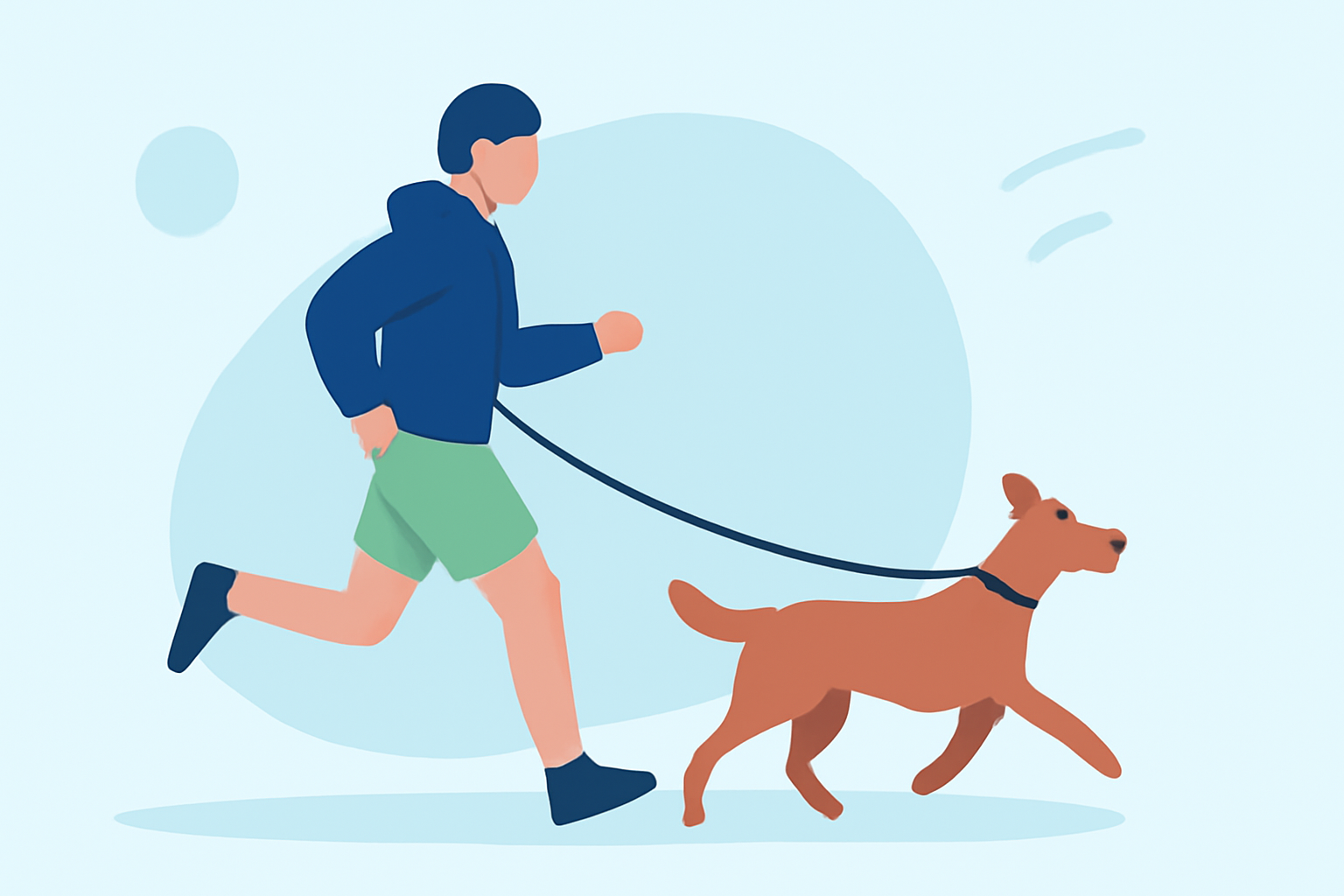
Running with your dog is a rewarding way to stay active together, but it's crucial to consider weather conditions to ensure both your safety and your dog's well-being. Here's what you need to know:
How Does Weather Affect Running with My Dog?
Weather plays a significant role in your dog's comfort and health during runs. Extreme temperatures, whether hot or cold, can pose risks such as heatstroke or hypothermia. (goodrx.com)
What Are the Ideal Temperatures for Running with My Dog?
For most dogs, temperatures between 32°F and 60°F (0°C to 15°C) are ideal for running. (runbikecalc.com) In these conditions, your dog can exercise comfortably without the risk of overheating or becoming too cold.
How Can I Protect My Dog's Paws During Runs?
Paw pads are sensitive and can be damaged by hot pavement or icy surfaces. To protect them:
-
Check the ground temperature: Place the back of your hand on the surface for seven seconds. If it's too hot for you, it's too hot for your dog's paws. (vosd.in)
-
Use protective booties: These can shield your dog's paws from extreme temperatures and rough terrains.
What Are the Signs That My Dog Is Overheating?
Be vigilant for signs of heatstroke, including excessive panting, drooling, vomiting, or lethargy. If you notice these symptoms, stop the run immediately, provide water, and seek shade. (preventivevet.com)
How Can I Safely Run with My Dog in Cold Weather?
In colder temperatures:
-
Limit run duration: Shorten the length of your runs to prevent your dog from getting too cold.
-
Dress appropriately: Consider using a dog coat for short-haired breeds to provide extra warmth.
-
Protect paws: Use booties to shield against ice and salt, which can irritate paw pads. (greatpetcare.com)
How Can I Keep My Dog Active When It's Too Hot or Cold to Run Outside?
When weather conditions are unfavorable:
-
Engage in indoor activities: Play fetch, practice obedience training, or use interactive toys to keep your dog mentally stimulated.
-
Provide mental challenges: Puzzle toys or treat-dispensing games can keep your dog engaged and prevent boredom. (washingtonpost.com)
How Can Clime Help Me Monitor Weather Conditions for Dog Runs?
Clime offers real-time weather updates and forecasts, allowing you to plan your runs during optimal conditions. With Clime, you can:
-
Receive timely weather alerts: Stay informed about temperature changes and potential weather hazards.
-
Access detailed forecasts: Plan your runs with confidence by understanding upcoming weather patterns.
By utilizing Clime's features, you can ensure safe and enjoyable runs with your dog, regardless of the weather.
FAQs
Q: What temperature is too hot for running with my dog?
A: Temperatures above 85°F (29°C) can be dangerous for dogs. At this temperature, pavement and asphalt can become extremely hot, potentially harming your dog's paws. (goodrx.com)
Q: How can I tell if my dog is too cold during a run?
A: Signs that your dog is too cold include shivering, lifting paws off the ground, whining, or seeking warmth by huddling close to you. If you notice these signs, it's best to cut the run short and warm your dog up. (greatpetcare.com)
Q: Are there specific breeds more susceptible to heat or cold during runs?
A: Yes, certain breeds have different tolerances. For example, short-haired breeds may struggle in cold weather, while double-coated breeds can overheat in hot conditions. Always consider your dog's breed and individual needs when planning runs. (runbikecalc.com)
Q: How can I protect my dog's paws during runs?
A: To protect your dog's paws:
-
Check the ground temperature: Ensure it's safe for your dog's paws.
-
Use protective booties: These can shield against hot surfaces and rough terrains. (vosd.in)
-
Inspect paws regularly: After runs, check for signs of injury or irritation.
Q: What should I do if my dog shows signs of overheating during a run?
A: If your dog shows signs of overheating, such as excessive panting or drooling, stop the run immediately, provide water, and seek shade. If symptoms persist, contact a veterinarian. (preventivevet.com)
By understanding and adapting to weather conditions, you can ensure safe and enjoyable runs with your dog, keeping both of you healthy and happy.