
Weather Considerations for Safe Dog Walking
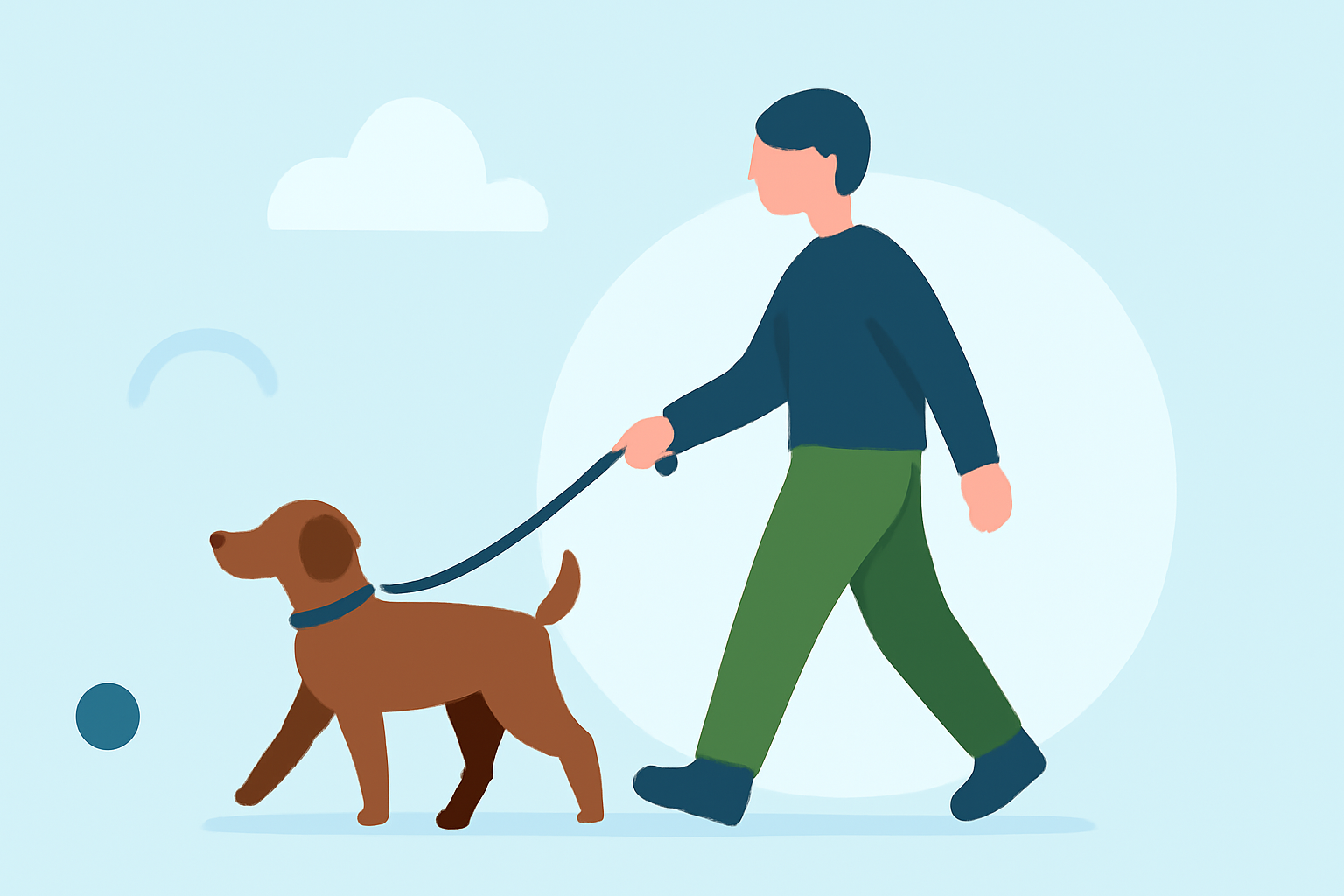
Walking your dog is a delightful way to keep them active and healthy, but it's essential to consider the weather to ensure both your safety and your dog's well-being. Extreme temperatures, whether hot or cold, can pose risks such as heatstroke or hypothermia. Understanding how to assess weather conditions and adjust your walking routine accordingly is crucial.
Understanding Temperature Guidelines
Temperature plays a significant role in determining safe walking conditions for your dog. Here's a general guideline:
- Above 85°F (29°C): High risk of heat-related issues; limit walks to early morning or late evening.
- 77°F to 85°F (25°C to 29°C): Moderate risk; consider shorter walks and ensure your dog stays hydrated.
- Below 45°F (7°C): Cold risk; monitor your dog for signs of discomfort and consider shorter walks.
These guidelines can help you make informed decisions about when and how long to walk your dog based on the temperature.
Assessing Surface Temperatures
Pavement and other surfaces can become significantly hotter than the air temperature, especially during summer months. For instance, on an 80°F (27°C) day, pavement can reach temperatures up to 140°F (60°C), which can burn your dog's paws. (axios.com) To prevent this, perform the "7-second pavement test": place the back of your hand on the pavement for seven seconds; if it's too hot for you, it's too hot for your dog's paws.
Monitoring Humidity Levels
High humidity can impede your dog's ability to cool down through panting, increasing the risk of heat-related illnesses. It's advisable to walk your dog during cooler parts of the day and avoid strenuous activities when humidity levels are high.
Utilizing Clime for Optimal Dog Walking Conditions
Clime offers real-time weather updates and forecasts, allowing you to plan your dog walks during optimal conditions. By inputting your location, Clime provides detailed information on temperature, humidity, wind speed, and surface temperatures, helping you make informed decisions. Additionally, Clime's alerts can notify you of sudden weather changes, ensuring you're always prepared.
Recognizing Signs of Discomfort in Your Dog
Regardless of the weather, always pay attention to your dog's behavior during walks. Signs of discomfort include excessive panting, slowing down, lifting paws off the ground, or seeking shade. If you notice any of these signs, it's best to cut the walk short and head home.
Conclusion
Ensuring safe and enjoyable walks for your dog involves understanding and adapting to various weather conditions. By utilizing tools like Clime and being attentive to your dog's needs, you can provide them with the exercise they need while keeping them safe and comfortable.
Highlights:
- Scorching heat can make dog walking dangerous, Published on Wednesday, August 23