
Weather Considerations for Safe Outdoor Cooking: A Parent's Guide
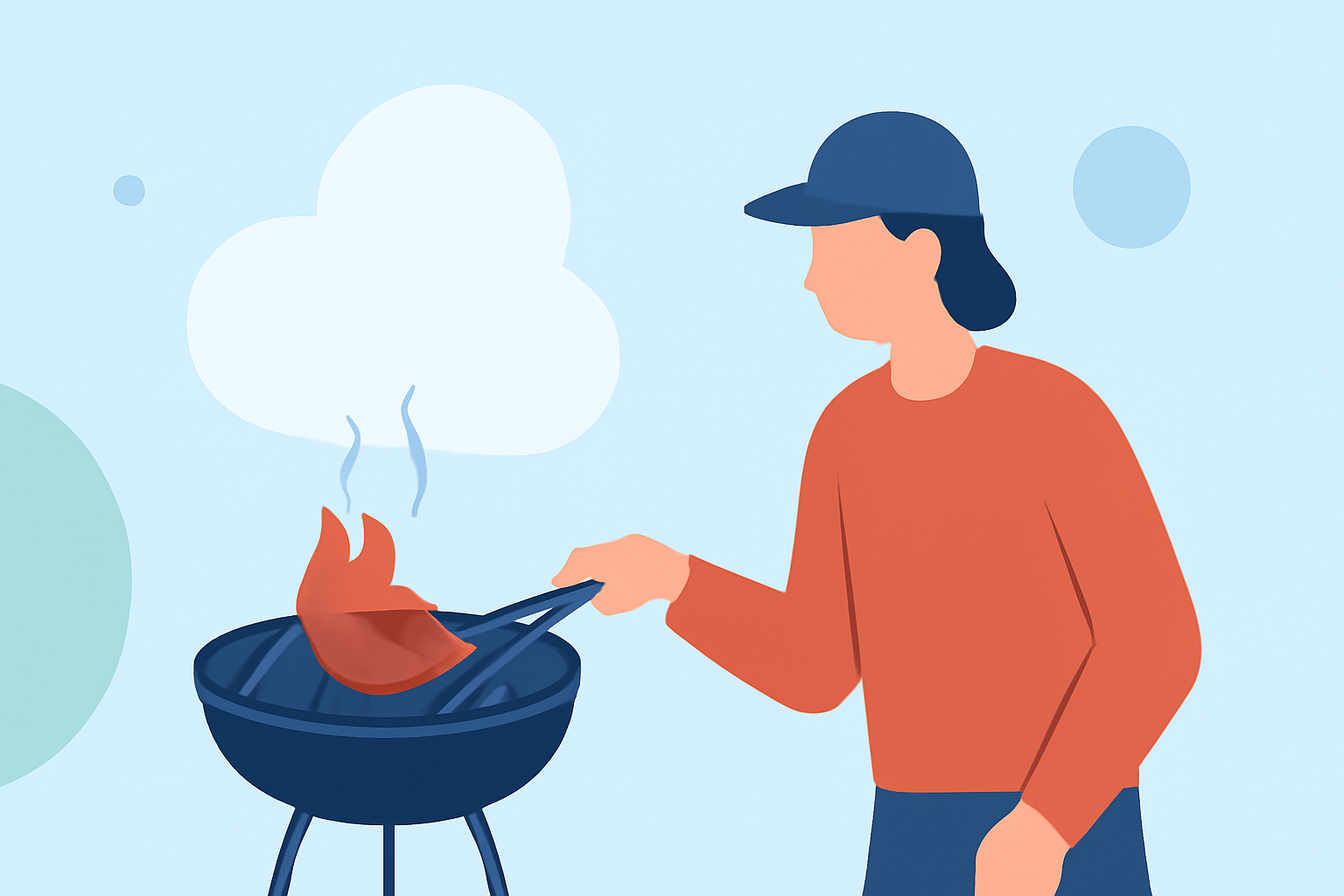
Outdoor cooking is a cherished activity for families, offering opportunities to bond and enjoy meals together. However, it's crucial to consider weather conditions and safety practices to ensure a pleasant experience.
How Does Weather Affect Outdoor Cooking?
Weather plays a significant role in outdoor cooking safety and enjoyment. Extreme temperatures, high humidity, and precipitation can impact food safety and fire hazards. For instance, high humidity can cause food to spoil faster, while rain can make grilling conditions slippery and hazardous.
What Are the Risks of Grilling in Adverse Weather?
Grilling during adverse weather conditions poses several risks:
-
Fire Hazards: Strong winds can cause flames to spread uncontrollably, increasing the risk of wildfires. (tfsweb.tamu.edu)
-
Food Safety Concerns: Bacteria multiply rapidly at temperatures between 40°F and 140°F, making it essential to keep food at safe temperatures. (fda.gov)
-
Personal Injury: Wet or windy conditions can lead to slips, trips, and falls, especially around cooking equipment.
How Can Parents Ensure Safe Outdoor Cooking?
To ensure a safe and enjoyable outdoor cooking experience, parents should follow these guidelines:
-
Monitor Weather Conditions: Before cooking, check local weather forecasts for temperature, humidity, and precipitation. Avoid grilling during extreme weather conditions.
-
Choose the Right Location: Place the grill on a flat, stable surface away from overhanging branches, structures, and flammable materials. Ensure the area is well-ventilated. (scfbins.com)
-
Keep Children and Pets Safe: Establish a safety zone of at least three feet around the grill to prevent accidents. (weillcornell.org)
-
Use Proper Equipment: Utilize long-handled utensils and flame-resistant mitts to handle food and prevent burns.
-
Maintain the Grill: Regularly clean the grill to remove grease buildup, which can cause flare-ups. (scfbins.com)
-
Practice Food Safety: Keep raw and cooked foods separate to prevent cross-contamination. Use a meat thermometer to ensure food reaches safe internal temperatures. (fda.gov)
-
Stay Prepared for Emergencies: Keep a fire extinguisher nearby and know how to use it. Familiarize yourself with local emergency procedures.
What Are the Benefits of Using Clime for Outdoor Cooking Planning?
Clime offers real-time weather updates and forecasts, allowing parents to plan outdoor cooking activities with confidence. By integrating Clime into your routine, you can receive timely alerts about weather changes, ensuring safety and optimal cooking conditions.
Conclusion
Outdoor cooking can be a delightful family activity when approached with proper planning and safety measures. By considering weather conditions and adhering to safety guidelines, parents can create enjoyable and hazard-free cooking experiences for their families.
Highlights:
- Don't make this grilling mistake - here's where experts say you should place yours, Published on Tuesday, May 26