
Weather Considerations for Stargazing Trips: Mistakes Parents Should Avoid
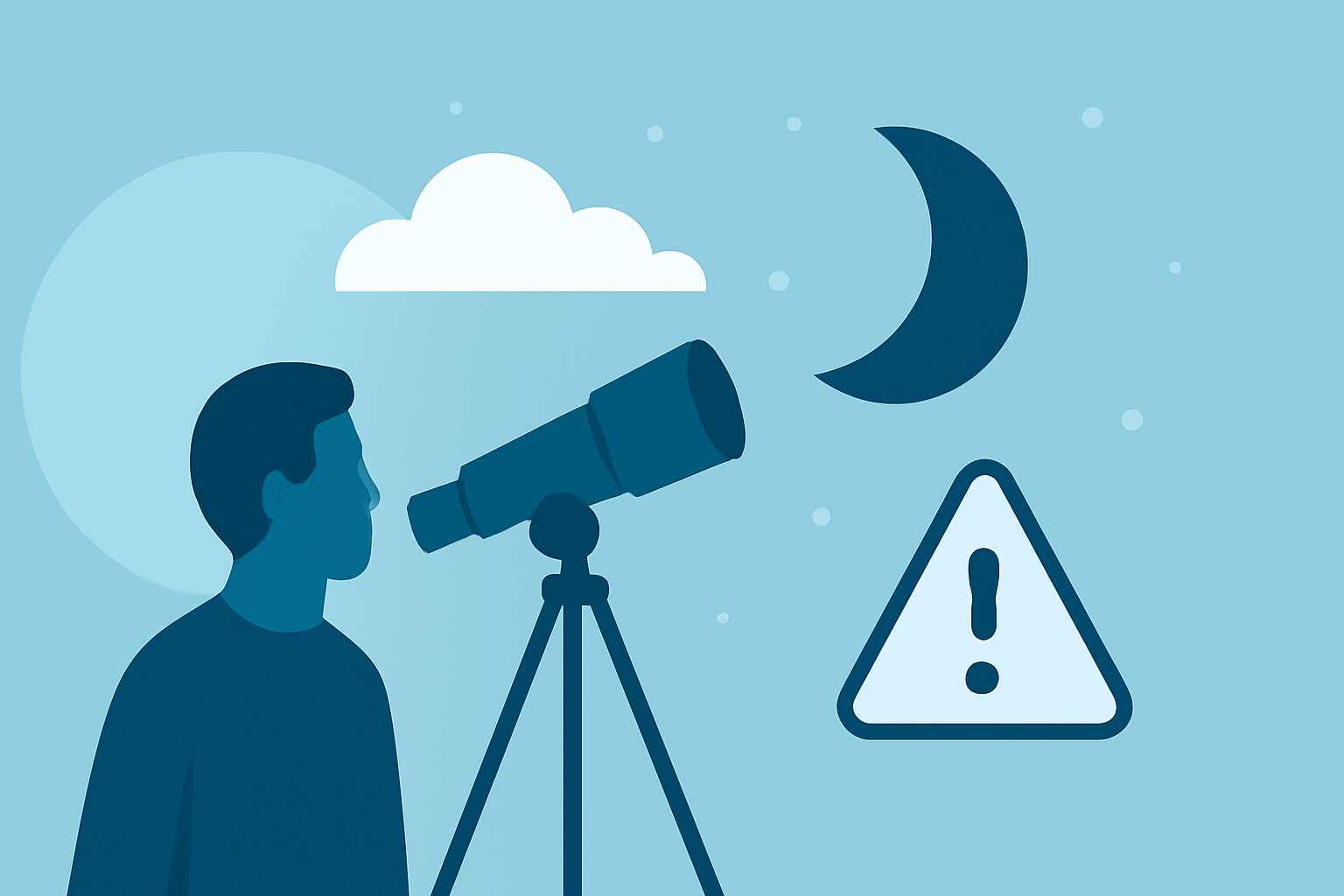
Stargazing offers families a unique opportunity to connect with the cosmos and each other. However, weather conditions play a pivotal role in the success of such outings. Parents can enhance their stargazing experiences by being aware of common weather-related mistakes and taking proactive steps to avoid them.
1. Not Checking the Weather Forecast Thoroughly
Before embarking on a stargazing trip, it's crucial to consult detailed weather forecasts. Cloud cover, precipitation, and wind can significantly impact visibility. For instance, a forecast predicting clear skies is ideal, while overcast conditions can obstruct celestial views. Utilizing reliable weather apps or websites can provide up-to-date information on cloud cover and precipitation chances.
2. Ignoring Local Climate Variations
Weather conditions can vary greatly depending on location. High-altitude areas often experience cooler temperatures and clearer skies, making them favorable for stargazing. Conversely, coastal regions might encounter humidity and fog, which can obscure the night sky. Researching the specific climate of your chosen stargazing spot can help in planning appropriately.
3. Underestimating Temperature Drops at Night
Even during warm seasons, nighttime temperatures can plummet, especially in open or elevated areas. Dressing in layers allows for adjustment to changing temperatures. It's advisable to bring extra blankets or sleeping bags to ensure comfort throughout the night. Additionally, a thermos with a warm beverage can provide comfort and warmth during the stargazing session.
4. Overlooking the Moon's Impact on Visibility
The phase of the Moon can greatly influence stargazing conditions. A full Moon emits significant light, which can wash out fainter stars and celestial objects. Planning stargazing activities around the new Moon phase, when the Moon is absent from the night sky, can enhance visibility. Many astronomy apps and websites provide lunar phase calendars to assist in planning.
5. Failing to Prepare for Sudden Weather Changes
Weather can be unpredictable. Sudden rain showers or unexpected cloud cover can disrupt stargazing plans. Carrying waterproof gear, such as jackets and tarps, can provide shelter if conditions change abruptly. It's also wise to have a backup plan, such as indoor astronomy activities or alternative dates for stargazing.
6. Not Considering Light Pollution Levels
Light pollution from nearby cities or towns can diminish the visibility of celestial objects. Selecting stargazing locations away from urban areas, preferably in designated dark sky parks or reserves, can offer clearer views. Tools like the Bortle Dark-Sky Scale can help assess light pollution levels in different regions.
7. Forgetting to Account for Wind Conditions
Strong winds can not only make the experience uncomfortable but can also affect the stability of telescopes and other equipment. Checking wind forecasts and choosing sheltered locations can mitigate these issues.
8. Not Allowing Time for Dark Adaptation
Human eyes require time to adjust to darkness to see faint stars and objects clearly. This adaptation can take up to 20 minutes. Avoiding exposure to bright lights during this period is essential. Using red light sources can help preserve night vision.
9. Overlooking the Importance of Humidity Levels
High humidity can cause moisture to condense on equipment, leading to foggy lenses and reduced visibility. Monitoring humidity forecasts and choosing nights with lower humidity can enhance the stargazing experience.
10. Not Preparing for Wildlife and Insects
In certain areas, wildlife and insects can be active during the night. Bringing insect repellent and being aware of local wildlife can ensure safety and comfort during the outing.
By proactively addressing these weather-related considerations, parents can create a memorable and enjoyable stargazing experience for their families. Planning ahead and staying informed are key to navigating the challenges posed by weather conditions.