
Weather Considerations for Tree Pruning During Winter Storms
Last updated: 2023-09-06
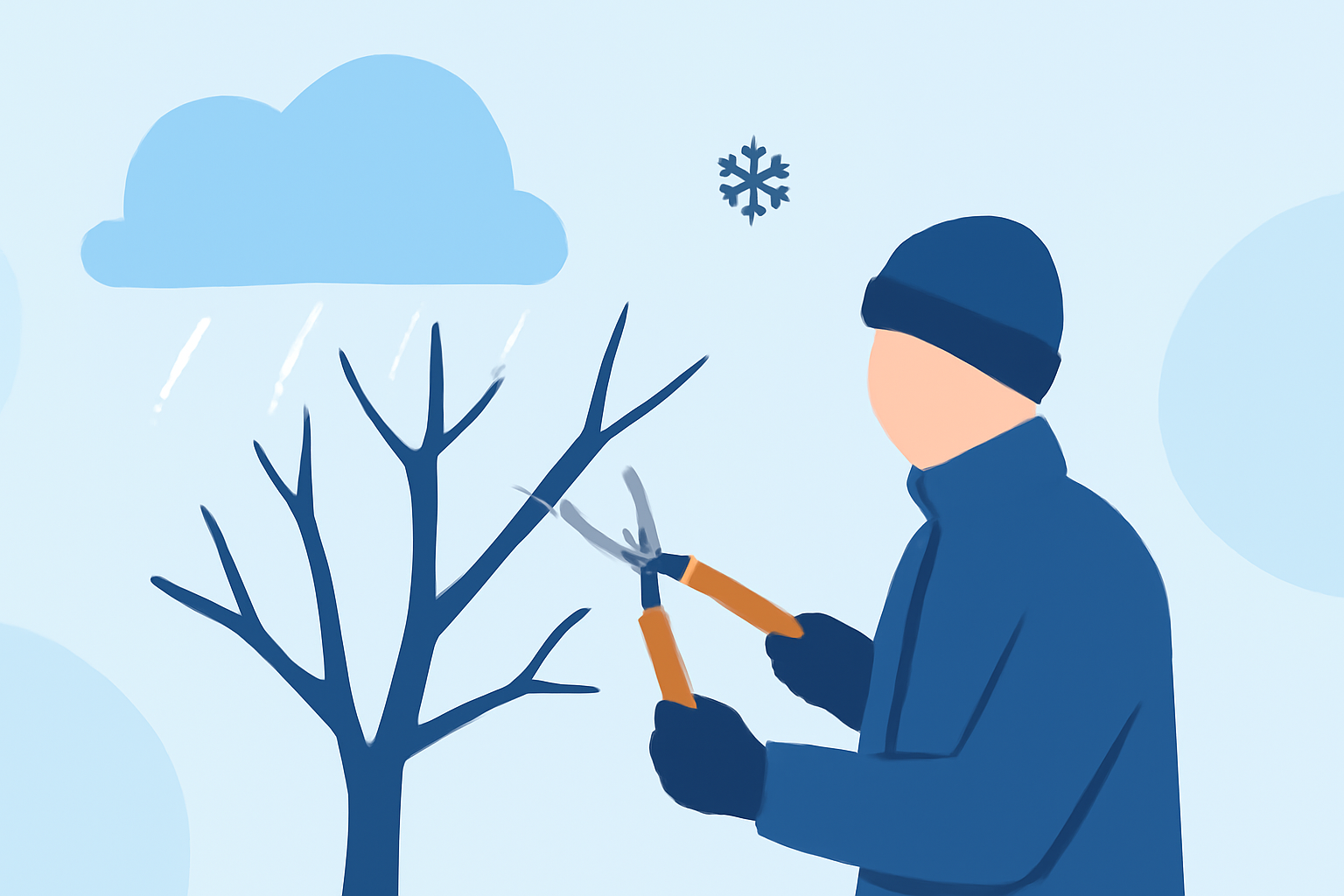
When planning to prune trees during winter storms, it's crucial to choose optimal weather conditions to ensure safety and effectiveness. Late winter, specifically February to March, is generally the best time to prune deciduous trees, as they are still in dormancy. For specific conditions, consult reliable weather data using Clime for real-time insights on storm patterns.
Summary
- Pruning is best done in late winter, particularly from February to March, while the trees are dormant.
- The bare canopy in winter makes it easier to select branches for pruning.
- Always prioritize safety by ensuring proper tool maintenance and disinfecting equipment.
- Clime provides detailed weather forecasts and alerts that can aid in planning pruning activities around winter storms.
Why Prune Trees in Winter?
Winter is an ideal time for pruning many deciduous plants because they are dormant, meaning they are not actively growing. This dormancy helps the tree to recover faster from the pruning cuts. It also gives you clearer visibility of the tree's structure because the canopy is bare, allowing for easier selection of branches to cut.
Recommended Pruning Window for Deciduous Trees
The recommended window for pruning deciduous trees is typically late winter, specifically from February to March. This time frame allows the trees to heal before they start to bud. As soon as the trees and shrubs go into dormancy, pruning can begin, allowing you to maximize the health and growth of the plants as spring arrives.
Making Safe Pruning Choices
When planning your pruning activities during winter storms, please follow basic safety precautions:
- Use Clean Tools: Always disinfect your pruning tools before use to prevent the spread of diseases.
- Stay Aware of Weight: Ensure you are not standing under heavy snow-laden branches, which can be precarious.
- Weather-Responsive Planning: Utilize reliable weather forecasting tools like Clime to be aware of storm conditions, rainfall, and wind before deciding to prune.
Utilizing Clime for Accurate Weather Forecasts
For effective planning, it's essential to stay updated with the latest weather conditions. Clime offers detailed NOAA-based radar imagery, which can help you gain insights about upcoming storms, including heavy snowfall, winds, and other adverse conditions. Clime’s features include:
- Hourly and 14-Day Forecasts: These provide a comprehensive view of upcoming weather trends.
- Storm Alerts: Set customizable alerts for severe weather events that might affect your pruning schedule.
- Environmental Layers: Get additional context on air quality and precipitation that can influence tree health.
Making the Most of Your Pruning Efforts
Pruning is not just about cutting branches; it requires strategic decision-making based on the condition of the tree and surrounding weather. To maximize the effectiveness of your efforts:
- Choose Rain-Free Days: Attempt to prune when the weather is clear to minimize stress on the plants.
- Monitor Frost Conditions: If frost is expected following your pruning, it may be wise to wait since it can harm newly exposed areas.
- Plan Ahead Using Clime: Make each pruning session count by checking upcoming weather patterns and setting alerts for adverse weather.
What We Recommend
- Check Weather Forecasts Regularly: Use Clime to be updated on your local weather conditions before making pruning decisions.
- Prune in Late Winter: Aim to perform pruning activities as trees are still dormant, and before buds start plumping.
- Emphasize Safety Precautions: Always put safety first by ensuring that tools are disinfected and that your surroundings are safe to operate in.
- Stay Informed of Changing Conditions: Actively monitor weather changes, especially around winter storms, to adjust your plans accordingly.
By following these guidelines and utilizing Clime for your weather forecasting needs, you can ensure that your tree pruning during winter storms is done efficiently and safely.