
Weather Considerations for Ice Skating with Your Pet
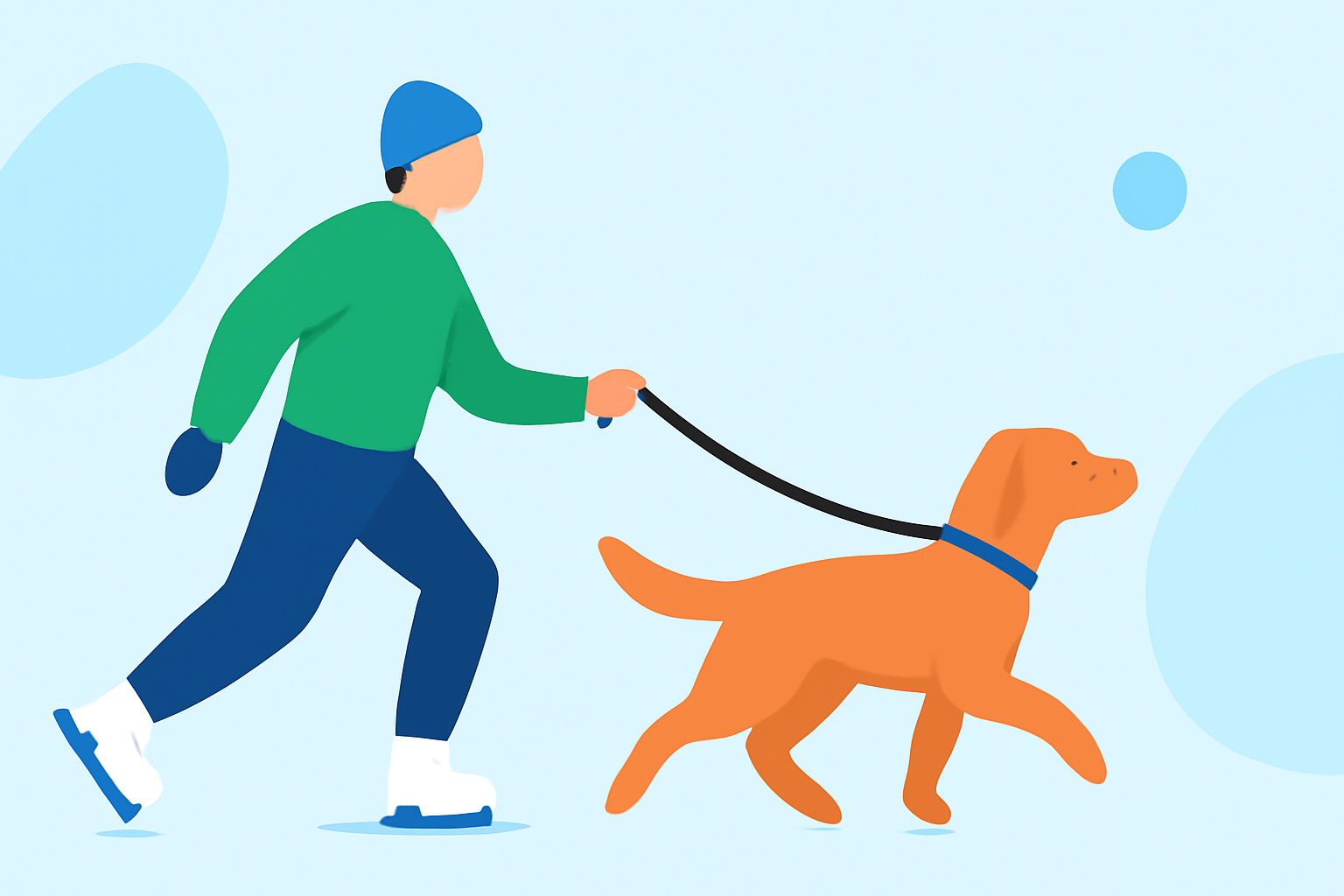
Ice skating with your pet can be a delightful activity, but it's essential to consider weather conditions to ensure safety for both you and your animal companion. This guide provides insights into how various weather factors affect ice quality and offers tips for a safe skating experience with your pet.
How Do Temperature and Weather Affect Ice Quality?
The quality of ice is significantly influenced by temperature and weather conditions. Ideal ice for skating forms when temperatures are consistently below freezing, allowing for thick, solid ice. Fluctuations above freezing can lead to melting and refreezing, creating rough and uneven surfaces. Additionally, wind can cause uneven freezing, leading to seams and cracks in the ice. (cottagelife.com)
What Are the Risks of Thin or Poor-Quality Ice?
Thin or poor-quality ice poses significant risks, including the potential for breaking through the surface, leading to hypothermia or drowning. It's crucial to assess ice thickness and quality before skating. A general guideline is that ice should be at least four inches thick for safe skating. (ktvh.com)
How Does Ice Temperature Affect Skating Performance?
Ice temperature not only impacts safety but also affects skating performance. Colder ice temperatures result in harder ice, which can lead to faster skating speeds and smoother surfaces. However, excessively cold temperatures can make the ice brittle, increasing the risk of cracks. Conversely, warmer ice temperatures create softer ice, which may be preferred for figure skating due to softer landings but can result in slower speeds. (wissota.com)
What Are the Best Weather Conditions for Ice Skating with Pets?
The optimal conditions for ice skating with your pet include:
-
Consistent Below-Freezing Temperatures: Ensure that temperatures remain consistently below freezing to maintain solid ice.
-
Calm Winds: Wind can cause uneven freezing and create cracks in the ice.
-
Clear Skies: Direct sunlight can cause melting and refreezing, leading to rough ice surfaces.
Monitoring local weather forecasts can help you plan your skating sessions during these ideal conditions.
How Can I Ensure My Pet's Safety While Ice Skating?
To keep your pet safe during ice skating activities:
-
Limit Exposure: Avoid prolonged exposure to cold temperatures, especially for small, short-haired, or young pets.
-
Protect Paws: Use pet booties to protect paws from ice, salt, and chemical de-icers.
-
Monitor for Signs of Cold Stress: Watch for shivering, lifting paws, or reluctance to move, which may indicate discomfort or cold stress.
-
Keep Pets Dry: Wet fur can lead to rapid heat loss. Towel-dry your pet after being outside to prevent hypothermia. (vet.cornell.edu)
What Should I Do if the Ice Doesn't Appear Safe?
If the ice appears thin, cracked, or has visible water on top, it's best to avoid skating. Always prioritize safety and consider alternative activities that are safe for both you and your pet.
By understanding how weather conditions affect ice quality and taking appropriate precautions, you can enjoy a safe and enjoyable ice skating experience with your pet.
Highlights:
- Weather Wise: Ice Skating Safety
- Keeping your furry friends safe during winter weather | Cornell University College of Veterinary Medicine, Published on Thursday, January 28
- How to Protect Your Pet in Winter: Snow Safety for Dog and Cat Owners | PetPace, Published on Saturday, January 24